
 Carmen J. Moore

Creating your own digital camera lens can be a rewarding and challenging project for photography enthusiasts and tech-savvy individuals alike. While the process may seem complex, with the right tools, materials, and knowledge, you can craft a high-quality lens that meets your specific needs and preferences.
Building a camera lens requires precision, patience, and attention to detail. From selecting the appropriate glass elements to designing the lens structure and assembling the components, every step plays a crucial role in the performance and image quality of the final product.

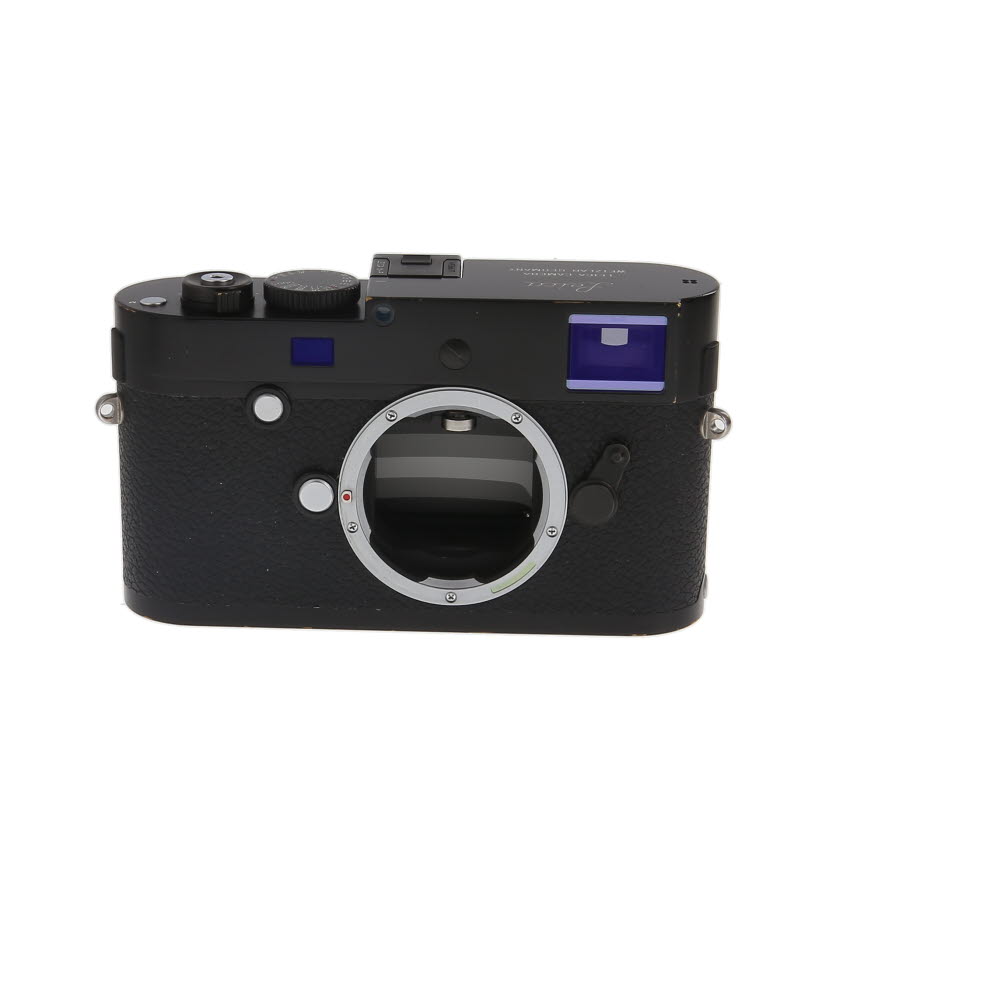
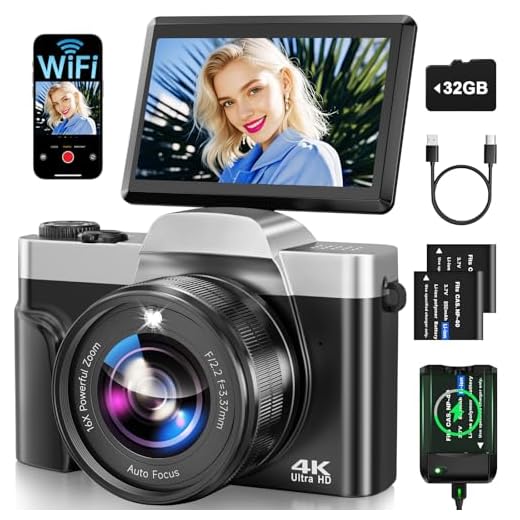
Whether you are looking to experiment with unique focal lengths, achieve a particular aesthetic effect, or simply enjoy the satisfaction of creating your own photographic equipment, building a digital camera lens offers a hands-on approach to understanding the inner workings of modern optics and imaging technology.
Understanding the Basics
A digital camera lens is a crucial component that determines the quality of images captured. It consists of multiple elements, including glass lenses, lens barrels, and aperture blades. The glass lenses are responsible for focusing and directing light onto the image sensor, while the lens barrels hold the elements in place. The aperture blades control the amount of light that enters the lens, affecting the depth of field and exposure of the image.
Understanding the basics of how a digital camera lens functions is essential for building a high-quality lens that produces sharp and clear images.
Exploring Different Lens Types
When building a digital camera lens, it’s important to consider the different types of lenses available and their unique characteristics. Here are some common lens types to explore:
- Wide-angle lens: Ideal for capturing a wide field of view, great for landscapes or architectural photography.
- Telephoto lens: Enables you to zoom in on distant subjects, perfect for wildlife or sports photography.
- Macro lens: Designed for close-up photography, allowing you to capture intricate details of small subjects like flowers or insects.
- Prime lens: Offers a fixed focal length, known for their sharpness and fast aperture, great for portraits or low-light conditions.
- Fisheye lens: Creates a distorted, panoramic view, adding a unique perspective to your photos.
Each lens type has its own strengths and is suited for different photography styles. Choosing the right lens for your digital camera can significantly impact the quality and creativity of your images.

Components of a Lens
A camera lens is made up of several key components that work together to capture sharp and clear images. These components include:
1. Lens Elements: A lens is typically made up of multiple lens elements, each designed to refract and focus light to create a sharp image.
2. Aperture: The aperture is an adjustable opening in the lens that controls the amount of light that reaches the camera sensor.
3. Focus Ring: The focus ring allows you to manually adjust the focus of the lens to ensure your subject is sharp and clear.
4. Lens Mount: The lens mount is the connection point between the lens and the camera body, ensuring a secure attachment.
5. Lens Coating: Lens coatings help reduce glare and reflections, improving image quality by minimizing unwanted light artifacts.
6. Image Stabilization: Some lenses come equipped with image stabilization technology, which helps reduce camera shake and produce sharper images, especially in low light conditions.
Role of Aperture in Photography
Aperture is a crucial element in photography that controls the amount of light entering the camera lens. It is represented by an f-stop number, such as f/2.8 or f/16. The aperture plays a significant role in determining the depth of field in an image.
Depth of Field
The aperture size directly affects the depth of field in a photograph. A wider aperture (smaller f-stop number) results in a shallow depth of field, where only a specific area of the image is in focus while the background is blurred. On the other hand, a narrower aperture (larger f-stop number) creates a deeper depth of field, where more of the image is in focus.
Controlling Light
By adjusting the aperture, photographers can control the amount of light that reaches the camera sensor. In low-light situations, a wider aperture allows more light to enter the lens, enabling better exposure. Conversely, in bright conditions, a narrower aperture reduces the amount of light, preventing overexposure.
Choosing the Right Focal Length
When building a digital camera lens, one of the most important factors to consider is the focal length. The focal length determines the angle of view and magnification of the lens, influencing the type of images it can capture.
There are three main categories of focal lengths: wide-angle, standard, and telephoto. Wide-angle lenses have a short focal length, typically less than 35mm, and capture a broad field of view. They are great for landscapes and architectural photography.
Standard lenses have a focal length around 50mm, providing a natural perspective similar to the human eye. They are versatile and suitable for a wide range of photography genres.
Telephoto lenses have a long focal length, usually over 70mm, and are ideal for capturing distant subjects with magnification. They are popular for wildlife, sports, and portrait photography.

When choosing the right focal length for your digital camera lens, consider the type of photography you intend to do and the subject matter you will be capturing. Experimenting with different focal lengths can help you discover the best lens for your specific needs.
Understanding Lens Mounts
When building a digital camera lens, one of the key components to consider is the lens mount. The lens mount is the mechanism that connects the lens to the camera body, allowing for secure attachment and communication between the two components.
There are various types of lens mounts used in digital cameras, each specific to a certain brand or camera model. Common lens mounts include Canon EF mount, Nikon F mount, Sony E mount, and Micro Four Thirds mount. It is important to choose a lens mount that is compatible with your camera body to ensure proper functionality.
Key Considerations for Lens Mounts:
- Compatibility: Ensure that the lens mount is compatible with your camera body.
- Communication: Some lens mounts allow for electronic communication between the lens and camera body, enabling features like autofocus and image stabilization.
- Build Quality: A sturdy and durable lens mount is essential for long-term use and stability.
Understanding the importance of lens mounts and selecting the right one for your digital camera lens is crucial for achieving optimal performance and functionality.
| Lens Mount | Camera Compatibility |
|---|---|
| Canon EF mount | Canon DSLR cameras |
| Nikon F mount | Nikon DSLR cameras |
| Sony E mount | Sony mirrorless cameras |
| Micro Four Thirds mount | Panasonic and Olympus mirrorless cameras |
Building a Lens from Scratch
Building a camera lens from scratch is a complex process that requires precision and attention to detail. Here are the steps you can follow to create your own lens:

- Choose the type of lens you want to build, such as a wide-angle, telephoto, or macro lens.
- Acquire the necessary materials, including lens elements, lens barrel, aperture mechanism, and lens mount.
- Assemble the lens elements in the correct order according to the lens design you have chosen.
- Adjust the spacing between lens elements to achieve the desired focal length.
- Add the aperture mechanism to control the amount of light entering the lens.
- Attach the lens mount to the lens barrel to connect the lens to the camera body.
- Test the lens to ensure it functions correctly and produces sharp images.
Testing and Calibrating the Lens
Once the lens components are assembled, it is crucial to test and calibrate the lens to ensure optimal performance. The following steps outline the testing and calibration process:
| 1. Focus Testing: | Use a focus test chart to check the accuracy of the lens focusing. Adjust the focus mechanism if needed to achieve sharp focus. |
| 2. Aperture Testing: | Test the aperture settings of the lens to ensure they are functioning correctly and producing the desired depth of field. |
| 3. Image Quality Testing: | Capture test images in various lighting conditions to evaluate the overall image quality produced by the lens. |
| 4. Vignetting and Distortion Testing: | Check for vignetting and distortion in the images and make necessary adjustments to minimize these optical imperfections. |
| 5. Autofocus Calibration: | If the lens has autofocus capabilities, calibrate the autofocus system to ensure accurate and consistent focusing. |
By thoroughly testing and calibrating the lens, you can guarantee that it performs optimally and meets the desired specifications for image quality and accuracy.
Tips for Maintaining Your Lens
Keeping your camera lens in top condition is essential for capturing high-quality images. Here are some tips to help you maintain your lens:
1. Clean Your Lens Regularly
Use a soft brush or lens cloth to gently remove dust and dirt from the lens surface. Avoid using harsh chemicals or abrasive materials that could scratch the lens.
2. Store Your Lens Properly
When not in use, store your lens in a protective case or bag to prevent dust and debris from accumulating on the lens surface. Keep your lens away from extreme temperatures and humidity to avoid damage.

| Tip | Description |
|---|---|
| 3. Avoid Touching the Lens | Handle your lens carefully and avoid touching the glass surface to prevent fingerprints and smudges. Use a lens cap when not in use to protect the lens. |
FAQ
What materials are used to build a digital camera lens?
A digital camera lens is typically made of multiple glass elements or lenses with different properties. These glass elements are coated with anti-reflective coatings to reduce flare and ghosting. Other materials such as plastic, metal, and rubber are used for the lens barrel and focusing mechanism.
What are the steps involved in building a digital camera lens?
Building a digital camera lens involves several steps, including designing the optical formula, selecting the materials, shaping the lens elements, assembling the lens components, testing the lens for optical quality and performance, and finally calibrating the autofocus mechanism. Each step requires precision and expertise to ensure the lens meets the desired specifications.
How important is the design process in building a digital camera lens?
The design process is crucial in building a digital camera lens as it determines the optical performance, image quality, and characteristics of the lens. The optical formula, lens elements arrangement, and coatings all play a significant role in the final output of the lens. A well-designed lens can produce sharp, clear images with minimal aberrations, while a poorly designed lens may result in distorted or soft images.



Can you clarify how adjusting the aperture affects the depth of field? I get that wider apertures give a blur effect, but how does that translate to different photography scenarios?
Great question! A wider aperture (like f/2.8) creates a shallower depth of field, making your subject stand out against a blurred background, which is great for portraits. Conversely, a narrower aperture (like f/16) keeps more of the image in focus, ideal for landscapes.
I recently built a macro lens using old camera parts. It took a lot of trial and error to get the focus right, but it was worth it! The detail in my close-up shots is incredible now. Just make sure to test it thoroughly before taking it out on a big shoot.
Is there a significant difference in image quality between a prime lens and a zoom lens? I’m debating on which type to build first.
Typically, prime lenses are sharper because they have fewer elements, but zoom lenses offer flexibility. It really depends on what you need for your photography style.
What type of glass do you recommend for the lens elements? I’ve heard some glasses work better than others for image quality.