
 Carmen J. Moore

The invention of the first digital camera revolutionized the world of photography, paving the way for the digital age we live in today.
In 1975, a young engineer named Steven Sasson working at Eastman Kodak Company created a device that would change the way we capture and share images forever.


Unlike traditional film cameras, Sasson’s invention used a digital sensor to capture images, storing them on a cassette tape for viewing on a computer.
The Invention of the First Digital Camera
In 1975, engineer Steven Sasson, who was working for Eastman Kodak, invented the first digital camera. This revolutionary device used a CCD image sensor to capture black-and-white images at a resolution of 0.01 megapixels.
How It Worked
The digital camera stored the images on a cassette tape, and Sasson had to connect it to a television to view the captured images. The process of capturing and viewing photos was slow and cumbersome compared to today’s digital cameras.
- Sasson’s invention laid the foundation for the digital photography revolution that followed.
- The first digital camera weighed about 8 pounds and was the size of a toaster.
- It was a milestone in the history of photography and technology, marking the beginning of the shift from film-based to digital photography.
Early Development of Digital Cameras
Early digital cameras were developed in the late 20th century as technology advanced and digital imaging became more feasible. One of the first digital cameras, the Kodak DCS (Digital Camera System), was released in 1991. It was a hybrid system that combined a Nikon F-3 camera body with a digital imaging back created by Kodak.
The Kodak DCS had a resolution of 1.3 megapixels and used a digital storage card to store images. While the camera was bulky and expensive, it marked the beginning of the transition from film photography to digital imaging.

| Year | Development |
|---|---|
| 1975 | Steven Sasson, an engineer at Eastman Kodak, created the first digital camera prototype using CCD image sensor technology. |
| 1986 | Fuji DS-1P was the first fully digital camera to be released, using a semiconductor image sensor. |
| 1990 | Dycam Model 1 was introduced as one of the first consumer digital cameras, featuring a resolution of 376 x 240 pixels. |
These early developments laid the foundation for the digital cameras we use today, with continuous advancements in sensor technology, image quality, and storage capacity.
First Prototype of a Digital Camera
The first prototype of a digital camera was developed by engineer Steven Sasson at Eastman Kodak Company in 1975. This revolutionary device captured black-and-white images with a resolution of 0.01 megapixels. The camera used a charged-coupled device (CCD) image sensor to convert light into electronic signals, which were then stored on a cassette tape.
Sasson’s prototype was bulky and weighed about 8 pounds, making it far from the compact digital cameras we are familiar with today. Despite its limitations, this early digital camera laid the foundation for the digital imaging technology that would later revolutionize the photography industry.
One of the first photographs taken with this prototype was a snapshot of Sasson’s lab partner’s daughter, marking the beginning of a new era in photography. The image quality was crude by today’s standards, but it represented a significant leap forward in the evolution of photography.
Testing and Improvements
After the first digital camera was developed, extensive testing was conducted to evaluate its performance and reliability. Engineers and photographers worked together to identify any issues and make necessary improvements. One of the key areas of focus was the image quality, as early digital cameras struggled to produce images that were comparable to traditional film cameras.
Through continuous testing and iteration, the technology behind digital cameras improved rapidly. Researchers developed better image sensors, algorithms for image processing, and storage solutions to address the shortcomings of early models. These improvements paved the way for the digital photography revolution, enabling photographers to capture high-quality images with ease and convenience.
Public Debut of the Digital Camera
The first digital camera made its public debut in 1975, when Steven Sasson, an engineer at Eastman Kodak, created a prototype that weighed 8 pounds and captured black-and-white images with a resolution of 0.01 megapixels. This groundbreaking invention marked the beginning of the digital photography revolution.
Sasson’s digital camera used a CCD sensor to capture the image, which was then stored on a cassette tape. It took 23 seconds to record the image onto the tape, and another 23 seconds to display it on a television screen. Despite its limitations, this early digital camera laid the foundation for the technology that would eventually revolutionize the photography industry.
Impact on Photography Industry
The invention of the first digital camera revolutionized the photography industry in numerous ways. It marked a significant shift from traditional film-based cameras to digital ones, paving the way for a new era of photography.
Instant Preview: One of the major impacts of the first digital camera was the ability to instantly preview images on the camera’s screen. This feature allowed photographers to review and adjust their shots immediately, leading to improved quality and efficiency in the photography process.
Cost-Efficiency: Digital cameras eliminated the need for film and processing costs, making photography more accessible and affordable for a wider audience. This democratization of photography opened up new opportunities for aspiring photographers and enthusiasts to explore their creativity without the constraints of expensive equipment.
Evolution of Digital Cameras
Digital cameras have come a long way since the introduction of the first digital camera in the late 20th century. The evolution of digital cameras has been marked by significant advancements in technology, design, and functionality.
Early Digital Cameras
The first digital camera was developed by Kodak engineer Steven Sasson in 1975. This camera weighed 8 pounds and had a resolution of 0.01 megapixels. Despite its limitations, this pioneering camera laid the foundation for the future of digital photography.
Advancements in Digital Camera Technology
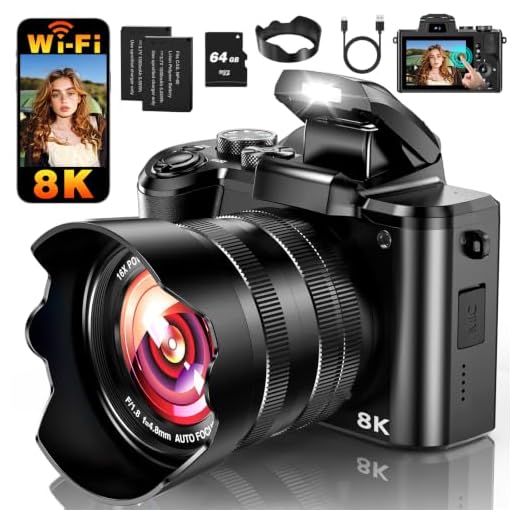
Over the years, digital cameras have become smaller, lighter, and more powerful. The introduction of CMOS and CCD sensors, autofocus systems, and image stabilization technology has revolutionized the way we capture and share images. Today, digital cameras offer high-resolution images, advanced shooting modes, and connectivity features that allow users to instantly share their photos online.
Modern Applications of Digital Photography
Digital photography has revolutionized the way we capture, store, and share images. With the advancement of technology, digital cameras have become an integral part of our daily lives. Here are some of the modern applications of digital photography:
1. Social Media
Platforms like Instagram, Facebook, and Snapchat rely heavily on digital photography for users to share their lives through images. The ease of taking photos with smartphones and sharing them instantly has made digital photography a crucial aspect of social media culture.
2. Marketing and Advertising
Businesses use digital photography to showcase their products and services online. High-quality images can attract customers and increase sales. Digital photography is also used in advertising campaigns to create visually appealing content that captures the audience’s attention.
FAQ
How was the first digital camera used?
The first digital camera, invented by Steven Sasson in 1975, was used to capture black and white images at a resolution of 0.01 megapixels. It stored the images on a cassette tape and required a significant amount of time to process each photo. The camera was primarily used for experimental purposes and was not widely available to the public.
What were some limitations of the first digital camera?
The first digital camera had several limitations, including its low resolution of 0.01 megapixels, the need to store images on a cassette tape, and the long processing time required for each photo. Additionally, the camera was bulky and not practical for everyday use. Despite these limitations, the invention of the first digital camera laid the foundation for the digital photography revolution that followed.



I’d love to know more about the technical aspects. The article mentions a CCD sensor, but how does it compare to the CMOS sensors in today’s cameras? What advancements have been the most significant?
Great question! CCD sensors were common in early digital cameras for their high image quality but are now largely replaced by CMOS sensors, which offer better power efficiency and faster processing speeds. Key advancements include improved sensor technology, autofocus capabilities, and higher resolution.