
 Carmen J. Moore

Mobile digital cameras have revolutionized the way we capture and share moments in our daily lives. These compact devices are equipped with advanced technology that allows us to take high-quality photos and videos on the go.
But have you ever wondered how exactly a mobile digital camera works? Let’s delve into the inner workings of this incredible piece of technology to understand the magic behind capturing stunning images with just a tap of a screen.
Understanding the Basics
Before diving into the intricate workings of a mobile digital camera, it’s essential to understand the basic components and functions that make it all possible. Here are some key elements:



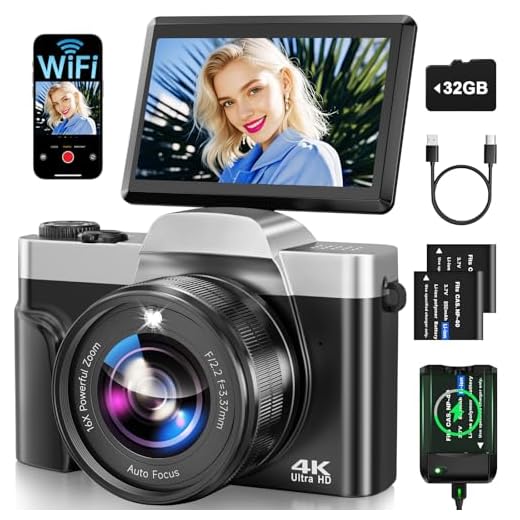
| Image Sensor: | The image sensor is the heart of a digital camera, converting light into digital signals. |
| Lens: | The lens focuses light onto the image sensor, determining the quality and clarity of the captured image. |
| Processor: | The processor handles image processing tasks, such as noise reduction, color correction, and compression. |
| Storage: | Images are stored on memory cards or internal storage, depending on the camera model. |
| Display: | The display allows users to view and frame their shots, providing instant feedback on composition and exposure. |
Key Components of a Digital Camera
A digital camera consists of several key components that work together to capture and process images. These components include:
- Image Sensor: The image sensor is the heart of a digital camera, converting light into electrical signals that form a digital image.
- Lens: The lens focuses light onto the image sensor, determining the quality and composition of the captured image.
- Processor: The processor processes the electrical signals from the image sensor to create a digital image file.
- Memory Card: The memory card stores the digital image files captured by the camera for later retrieval and transfer.
- LCD Screen: The LCD screen displays the captured images and allows users to review and adjust settings.
- Shutter Button: The shutter button triggers the camera to capture an image by opening and closing the shutter.
- Battery: The battery provides power to the camera for capturing and processing images.
How Mobile Cameras Capture Images
Mobile cameras capture images through a complex process that involves several key components working together seamlessly. When you press the shutter button on your phone, the camera lens focuses the light onto a sensor, which converts the light into electronic signals.
The sensor then processes these signals and creates a digital image based on the intensity and color of the light captured. This image is then saved to your phone’s storage as a digital file, ready for you to view, edit, and share.
Exploring the Sensor Technology
One of the key components of a mobile digital camera is the image sensor. The sensor is responsible for capturing light and converting it into digital signals, which are then processed to create an image.
There are two main types of sensors used in mobile digital cameras: CCD (Charge-Coupled Device) and CMOS (Complementary Metal-Oxide-Semiconductor). Each type has its own advantages and disadvantages, but both work by converting light into electrical signals.

CCD Sensor
A CCD sensor is known for producing high-quality images with low noise levels. However, CCD sensors tend to be more expensive and consume more power compared to CMOS sensors. They are commonly found in professional digital cameras.
CMOS Sensor
CMOS sensors are more cost-effective and consume less power than CCD sensors. While they may not produce images of the same quality as CCD sensors, they are more than sufficient for most mobile digital cameras. CMOS sensors are also known for their faster readout speeds.
| Feature | CCD Sensor | CMOS Sensor |
|---|---|---|
| Image Quality | High | Good |
| Power Consumption | High | Low |
| Cost | Expensive | Affordable |
Role of Lenses in Image Formation
One of the key components of a mobile digital camera is the lens. The lens plays a crucial role in the formation of the image captured by the camera.
When light enters the camera through the lens, it is refracted and focused onto the image sensor. The type of lens used in the camera determines the quality and characteristics of the image captured. Different lenses have different focal lengths, apertures, and optical properties that affect the final image.
The lens also determines the field of view of the camera, which is how much of the scene can be captured in a single frame. Wide-angle lenses capture a larger field of view, while telephoto lenses bring distant objects closer.
In addition to focusing light onto the image sensor, the lens also plays a role in controlling the amount of light that reaches the sensor. By adjusting the aperture of the lens, the photographer can control the exposure of the image, making it brighter or darker as needed.
In summary, the lens of a mobile digital camera is a critical component that determines the quality, characteristics, and composition of the images captured. Understanding the role of lenses in image formation is essential for capturing stunning photos with your mobile device.
Processing the Captured Images
Once the image is captured by the mobile digital camera, it goes through a series of processing steps to enhance its quality and make it ready for viewing or sharing. The processing includes:
1. Demosaicing: This process involves converting the raw sensor data into a full-color image by interpolating the missing color information from neighboring pixels.
2. White Balance Adjustment: The camera adjusts the color temperature of the image to make it appear more natural and true to life.

3. Noise Reduction: To reduce the noise in the image caused by factors like low light or high ISO settings, the camera applies noise reduction algorithms.
4. Sharpening: The image may undergo sharpening to enhance the details and make it appear clearer and more defined.
5. Compression: Finally, the image may be compressed to reduce its file size for easier storage and sharing while preserving as much detail as possible.
Image Signal Processing in Cameras
Image signal processing plays a crucial role in the functioning of digital cameras. When light enters the camera lens, it is converted into an electrical signal by the image sensor. This raw image data is then processed by the camera’s image signal processor (ISP) to enhance the image quality, adjust color balance, reduce noise, and apply various effects.
The ISP performs tasks such as demosaicing, noise reduction, white balance correction, sharpening, and compression of the image data. By processing the raw sensor data, the ISP enhances the image quality and produces a final image that is ready to be displayed or stored.

Key Functions of Image Signal Processing:
- Demosaicing: Interpolates the color information from the sensor’s raw data to produce a full-color image.
- Noise Reduction: Minimizes the grainy appearance of images by reducing unwanted noise.
- White Balance Correction: Adjusts the color temperature of the image to ensure accurate color reproduction.
- Sharpening: Enhances the clarity and detail of the image by improving edge definition.
Understanding Image Compression
Image compression is a crucial process in digital photography that reduces the size of an image file without significantly affecting its quality. This is essential for mobile digital cameras as it allows for more photos to be stored on the device and shared quickly.
Types of Image Compression
- Lossy Compression: This method removes some image data to achieve higher compression ratios. While it results in smaller file sizes, there is a loss of image quality.
- Lossless Compression: This method preserves all image data while reducing file size. It maintains image quality but may not achieve as high compression ratios as lossy compression.
Compression algorithms like JPEG, PNG, and GIF are commonly used in digital cameras to compress images efficiently. Understanding image compression is essential for photographers to balance image quality and file size when capturing and storing photos on mobile devices.
FAQ
How does a mobile digital camera work?
A mobile digital camera works by capturing light through the camera lens, which is then converted into an electrical signal by the image sensor. The image sensor processes the signal and creates a digital image that is stored on the camera’s memory card.
What is the role of the image sensor in a mobile digital camera?
The image sensor in a mobile digital camera is responsible for converting the light that enters the camera lens into an electrical signal. It plays a crucial role in capturing the image and turning it into a digital format that can be stored and viewed.
Can you explain the process of focusing in a mobile digital camera?
When you focus on a subject in a mobile digital camera, the camera lens adjusts its position to ensure that the light coming from the subject converges at the image sensor. This process helps to create a sharp and clear image of the subject.
How does a mobile digital camera store the photos it captures?
A mobile digital camera stores the photos it captures on a memory card, which is inserted into the camera. The digital images are saved in a file format that can be easily accessed and transferred to other devices.
What are some key components of a mobile digital camera?
Some key components of a mobile digital camera include the lens, image sensor, processor, memory card, and display screen. Each of these components plays a crucial role in capturing, processing, and storing digital images.


I’ve always wondered how different sensor types affect photo quality. Can you explain a bit more about the practical differences between CCD and CMOS sensors in mobile cameras?
I've been using a mobile camera with a CMOS sensor for a while now, and I find the image quality quite good for everyday use. I took some pictures at a concert, and while the low-light performance wasn't perfect, the colors were vibrant! It’s interesting to think how much technology has improved. I remember my first digital camera—everything was so much bulkier.