
 Carmen J. Moore

Have you ever wondered how a digital camera captures an image?

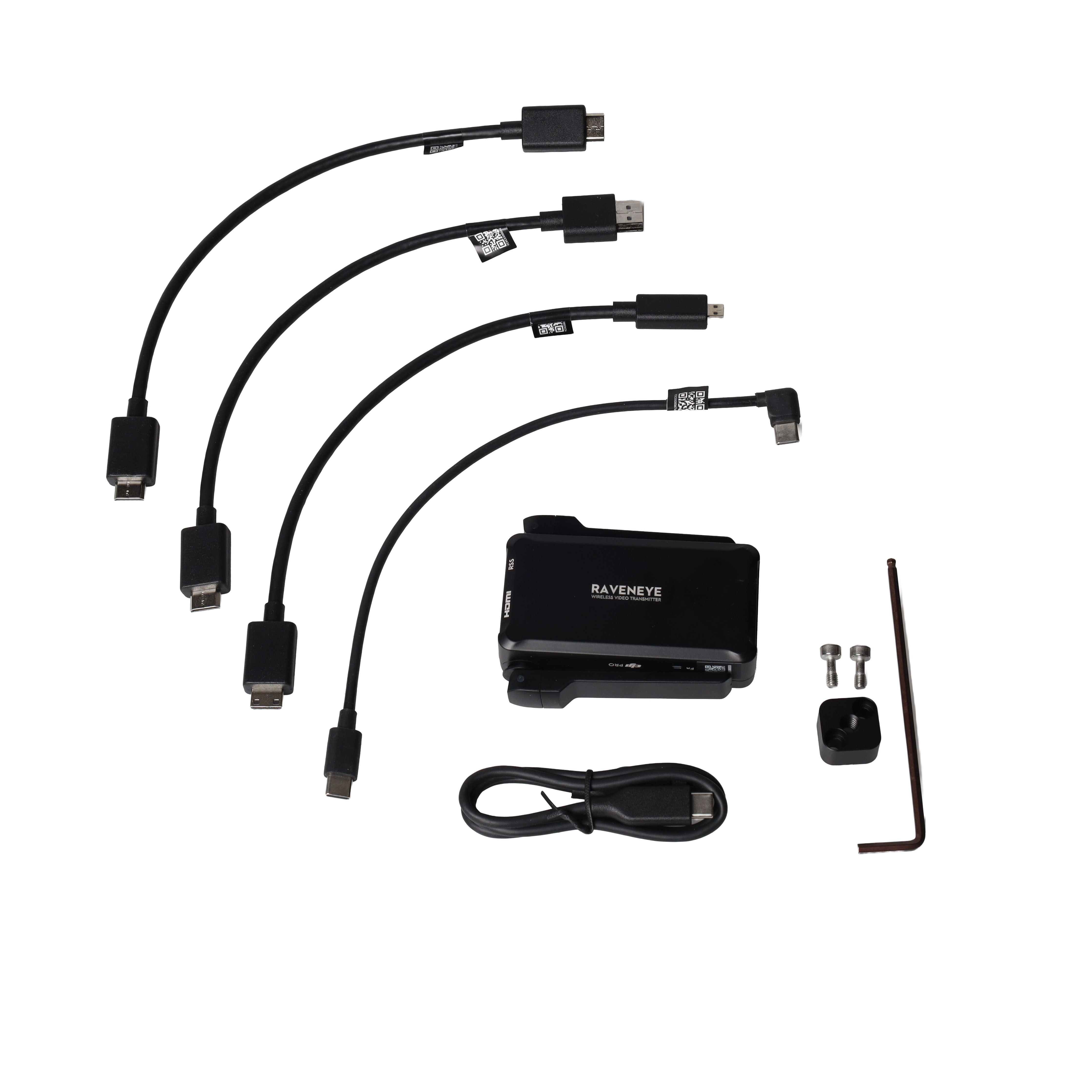
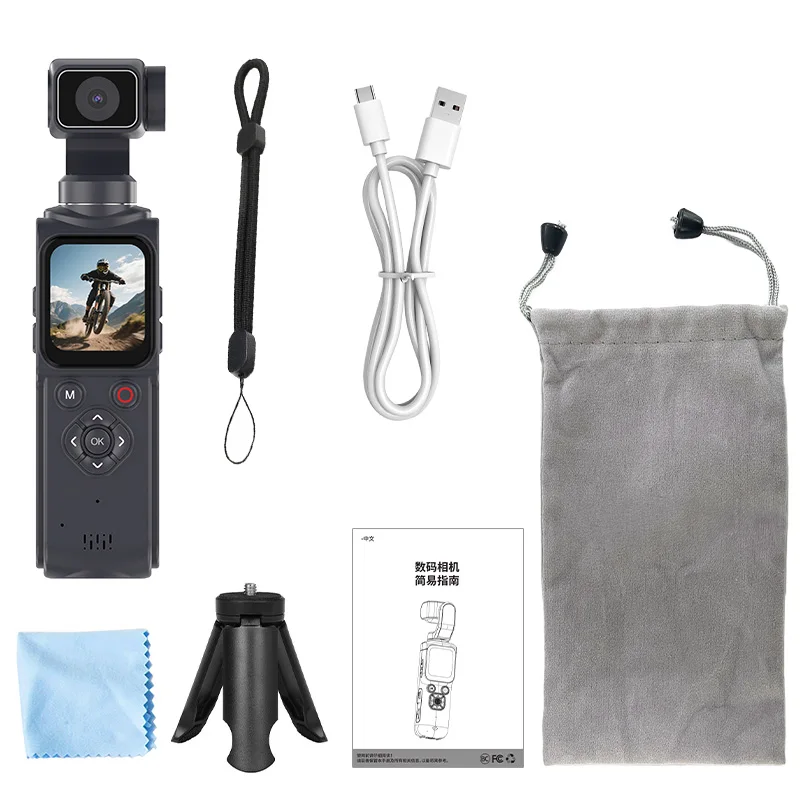

From the moment you press the shutter button to the final image displayed on the screen, the process involves intricate technology and precise mechanisms.
Understanding the steps involved in capturing an image on a digital camera can give you a deeper appreciation for the art and science behind photography.
Understanding the Digital Camera
Before diving into how images are captured on a digital camera, it’s important to understand the basic components and workings of a digital camera.
Key Components:
- Image Sensor: The image sensor is the heart of the digital camera, converting light into electronic signals that form the image.
- Lens: The lens focuses light onto the image sensor, determining the clarity and quality of the captured image.
- Processor: The processor processes the electronic signals from the image sensor and performs various tasks like image compression and enhancement.
- Storage: Digital cameras store captured images on memory cards or internal memory.
Image Capture Process:
- Light enters the camera through the lens and is focused onto the image sensor.
- The image sensor converts the light into electronic signals, creating a digital representation of the scene.
- The processor processes these signals, applying settings like exposure, white balance, and sharpness to create the final image.
- The processed image is then stored on a memory card or internal memory for later retrieval.
Exploring the Image Sensor
One of the key components of a digital camera is the image sensor, which plays a crucial role in capturing photos. The image sensor is a semiconductor device that converts light into electronic signals, creating digital images. There are two main types of image sensors used in digital cameras: CCD (Charge-Coupled Device) and CMOS (Complementary Metal-Oxide-Semiconductor).
CCD sensors use a process where each pixel collects and transfers electrical charges to create an image. They are known for producing high-quality images with low noise levels, making them ideal for professional photography. On the other hand, CMOS sensors use a different method where each pixel has its own amplifier, allowing for faster readout speeds and lower power consumption. CMOS sensors are commonly found in consumer-level cameras due to their cost-effectiveness and higher energy efficiency.

Regardless of the type of image sensor, both CCD and CMOS sensors work by capturing light and converting it into electrical signals. The quality of the image sensor greatly influences the final image quality, including factors such as resolution, dynamic range, and low-light performance. Understanding how the image sensor works is essential for photographers to make informed decisions when choosing a digital camera.
The Role of the Lens
The lens is a crucial component of a digital camera that plays a key role in capturing clear and sharp images. It is responsible for focusing light onto the image sensor, determining the quality and clarity of the final image. The quality of the lens directly impacts the sharpness, color accuracy, and overall image quality. Different lenses have different focal lengths and aperture sizes, allowing photographers to achieve various creative effects and control the amount of light entering the camera. Choosing the right lens for the desired image is essential in producing high-quality photographs.
Process of Light Capture
When you press the shutter button on a digital camera, the camera’s sensor is exposed to light through the camera lens. This light enters the camera and is focused onto the sensor by the camera’s optics.
1. Sensor Activation
The camera’s sensor is made up of millions of light-sensitive pixels. Each pixel on the sensor converts the incoming light into an electrical signal. The intensity and color of the light determine the strength of the electrical signal generated by each pixel.
2. Signal Processing
Once the light is converted into electrical signals by the sensor, the camera’s image processor processes these signals to create a digital image. The processor combines the signals from all the pixels to generate a full-color image with details and colors captured by the sensor.
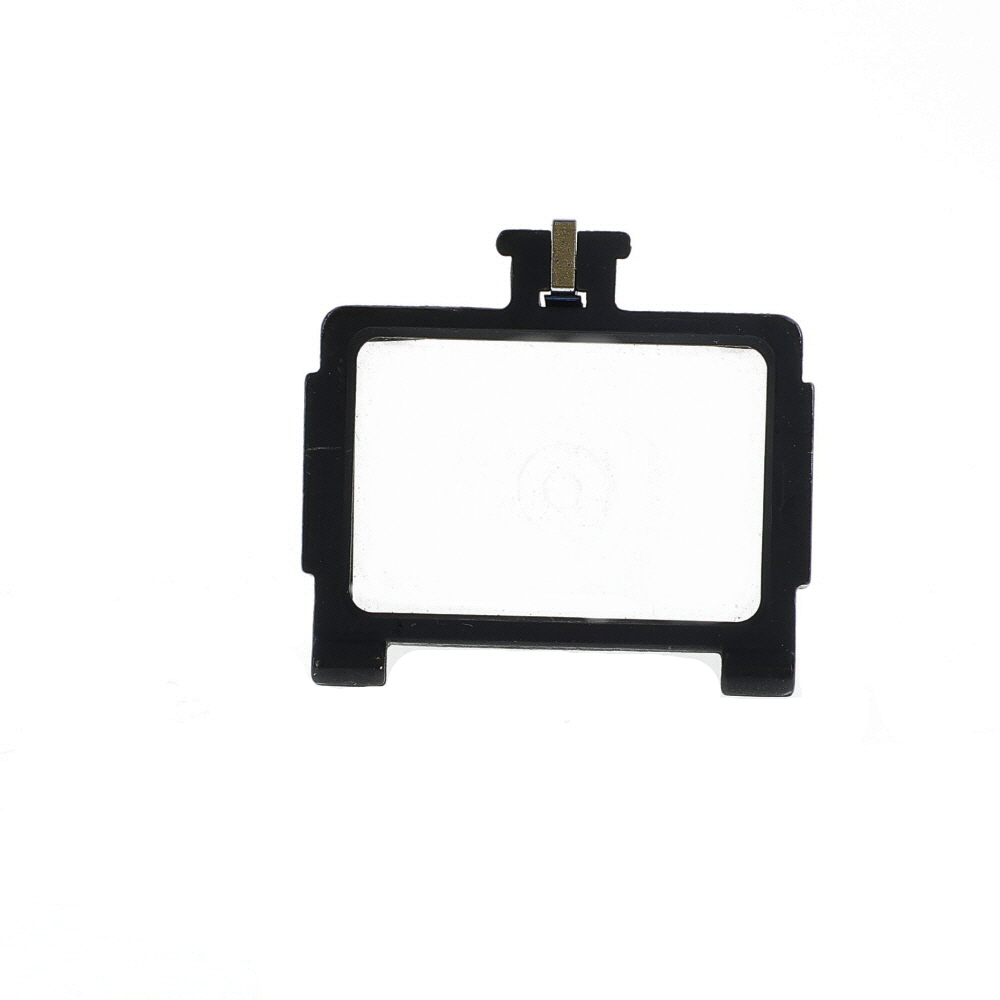
Conversion to Digital Data
Once the light is captured by the camera’s sensor, it is converted into digital data through a process called analog-to-digital conversion (ADC). The sensor measures the intensity of light at each pixel and assigns a digital value to represent it. This process is crucial for transforming the analog signal into a format that can be stored and processed by the camera’s internal components.
Digital Signal Processing
After the analog data is converted into digital form, it undergoes digital signal processing (DSP) to enhance the image quality. This includes adjusting the color balance, sharpness, and contrast to produce a visually appealing image.
| Step | Description |
|---|---|
| ADC | Analog-to-digital conversion process to convert light intensity into digital values. |
| DSP | Digital signal processing to enhance image quality by adjusting color balance, sharpness, and contrast. |
Storage and Retrieval of Images
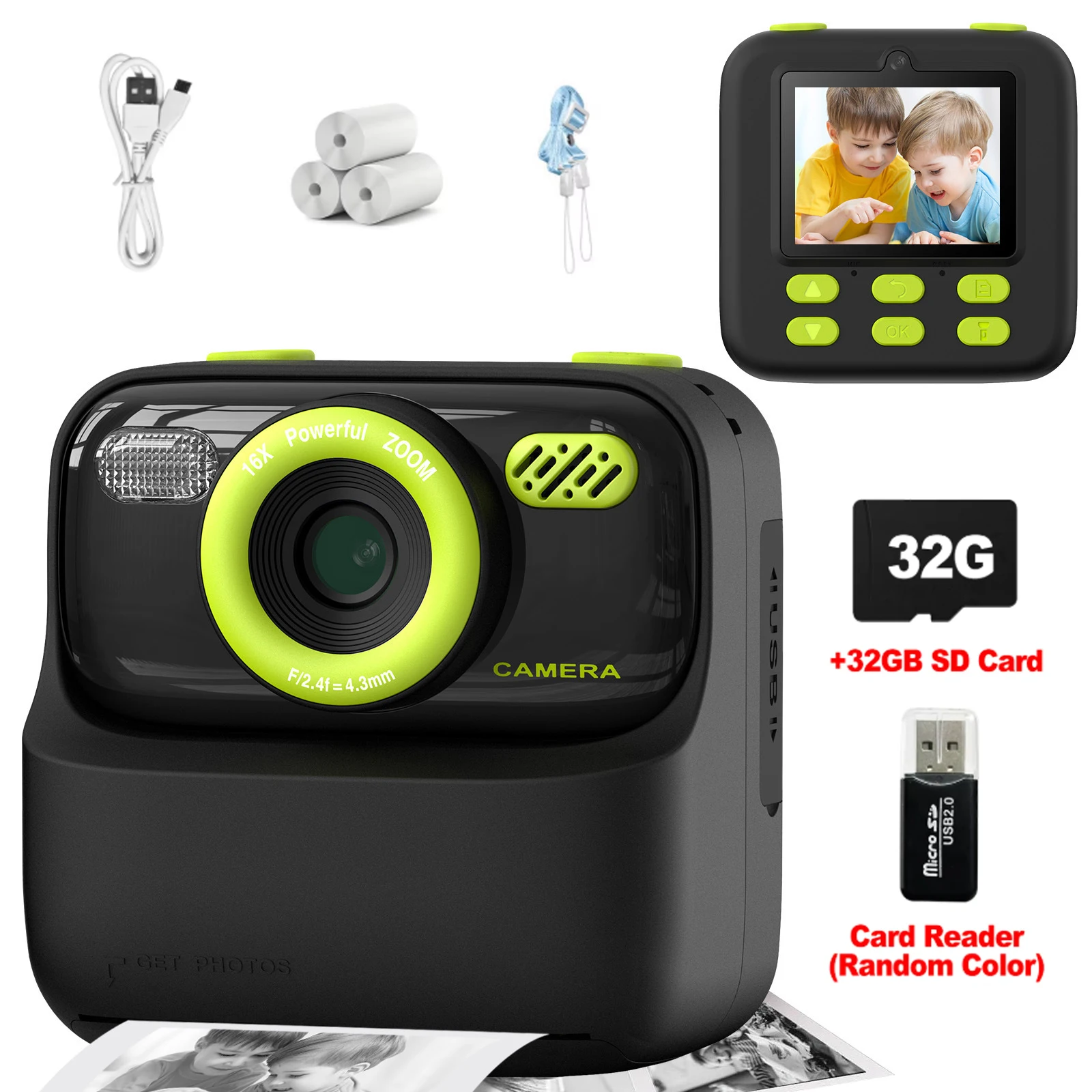
Once an image is captured by a digital camera, it needs to be stored in a digital format for future retrieval and viewing. Digital cameras use memory cards to store images, which come in various capacities ranging from a few gigabytes to several terabytes.
Types of Memory Cards:
There are different types of memory cards used in digital cameras, such as Secure Digital (SD), CompactFlash (CF), and Memory Stick. Each type has its own specifications and compatibility with different camera models.
Retrieving Images:
To retrieve images from a digital camera, you can either connect the camera directly to a computer using a USB cable or remove the memory card and insert it into a card reader. Once connected, you can access the images stored on the memory card and transfer them to the computer for editing or sharing.
| Memory Card Type | Capacity |
|---|---|
| Secure Digital (SD) | Up to 512GB |
| CompactFlash (CF) | Up to 512GB |
| Memory Stick | Up to 256GB |
Final Output and Viewing Experience
Once the image is captured on a digital camera, it can be transferred to a computer or printed directly from the camera. The final output of the image can vary depending on the resolution and quality settings used when capturing the image. Higher resolution images will result in sharper and more detailed final output.
Viewing the images on a computer screen or mobile device allows for easy sharing and editing. Many digital cameras also offer various viewing options, such as zooming in on specific areas of the image or viewing a slideshow of multiple images. The viewing experience can be enhanced by using photo editing software to adjust colors, brightness, and other aspects of the image.
Overall, the final output and viewing experience of images captured on a digital camera can be tailored to meet the needs and preferences of the photographer, resulting in high-quality and customizable images.
FAQ
How does a digital camera capture an image?
A digital camera captures an image by using a sensor that converts light into electrical signals. When you press the shutter button, light enters the camera through the lens and hits the sensor, which then records the intensity and color of the light to create a digital image.
What is the role of the image sensor in a digital camera?
The image sensor in a digital camera plays a crucial role in capturing the image. It converts the light that enters through the lens into electrical signals, which are then processed to create a digital image. The quality of the image sensor can significantly impact the clarity and resolution of the final image.
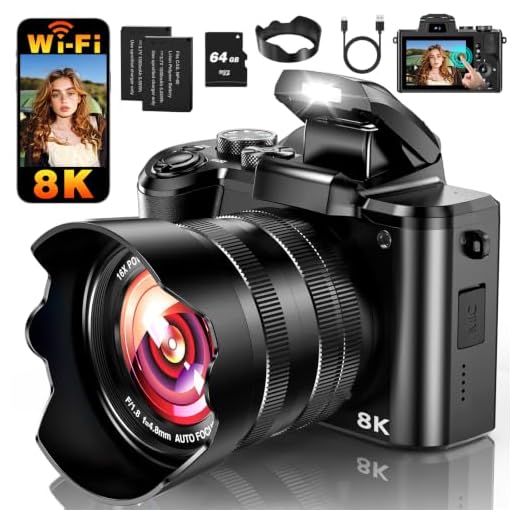
Can you explain the difference between CCD and CMOS sensors in digital cameras?
CCD (Charge-Coupled Device) and CMOS (Complementary Metal-Oxide-Semiconductor) sensors are two common types of image sensors in digital cameras. The main difference lies in how they capture and process light. CCD sensors tend to provide higher image quality but consume more power, while CMOS sensors are more energy-efficient and can offer faster processing speeds.
How does the lens of a digital camera affect image capture?
The lens of a digital camera plays a critical role in focusing light onto the image sensor. The quality of the lens can impact factors such as sharpness, distortion, and light transmission in the final image. Different lenses have varying focal lengths and apertures, which affect the depth of field and amount of light entering the camera.
What are some key factors that influence the quality of images captured by a digital camera?
Several factors can influence the quality of images captured by a digital camera, including the size and quality of the image sensor, the type and quality of the lens, the camera’s settings (such as ISO, aperture, and shutter speed), and the photographer’s skill in composing and capturing the image. Post-processing techniques can also enhance the final image quality.


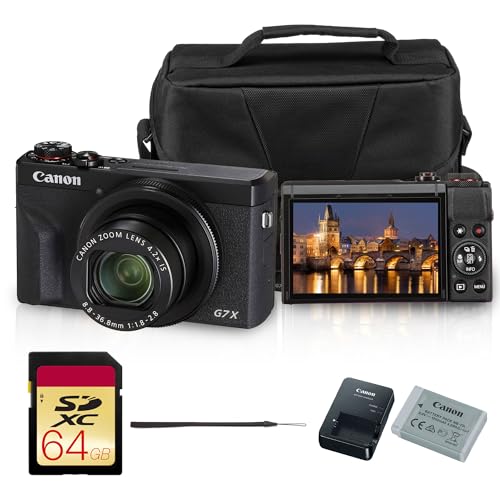
I recently bought a DSLR with a CMOS sensor, and I noticed that it performs well in bright conditions but struggles a bit in low light. I guess that’s a common issue with these sensors, right? I might look into a camera with a CCD sensor next time, especially for night photography.
I disagree with the notion that CCD sensors are always better. I think modern CMOS sensors have come a long way and can produce excellent results, especially with advancements in technology.
Could someone clarify what 'dynamic range' means in the context of image sensors? I keep seeing it mentioned, but I’m not entirely sure how it affects the final image.
Dynamic range refers to the range of light intensities a camera can capture, from the darkest shadows to the brightest highlights. A sensor with a wider dynamic range can capture more detail in both bright and dark areas, which can improve image quality, especially in challenging lighting conditions.
I really appreciate how detailed this article is! It makes the technology behind digital cameras much clearer for someone like me who is just getting into photography.
I'm really interested in how the image sensor works. Can someone explain the main differences between CCD and CMOS sensors in layman's terms?