
 Carmen J. Moore

Have you ever wondered how a digital camera captures and stores your precious memories? Digital cameras have become an essential part of our lives, allowing us to capture moments in stunning clarity and detail. But have you ever stopped to think about the technology behind these devices?




In this article, we will explore the inner workings of a digital camera and explain the process by which it captures, processes, and stores images. By understanding how a digital camera works, you will gain a deeper appreciation for the technology that enables us to preserve our memories in the digital age.
Understanding the Basics
A digital camera works by capturing light through a lens and converting it into an electronic image that can be stored on a memory card.
When you press the shutter button, the camera’s sensor records the light that enters through the lens.
The sensor then converts this light into digital data, which is processed by the camera’s image processor.
The processed image is then saved onto a memory card, where you can access it later to view or edit.

Understanding these basic steps can help you appreciate the technology behind digital cameras and improve your photography skills.
Explaining the Digital Camera
A digital camera works by capturing light through a lens and converting it into digital data. This process involves several key components that work together to create a high-quality image.
| Component | Function |
| Lens | The lens focuses light onto the image sensor, determining the clarity and quality of the photo. |
| Image Sensor | The image sensor converts light into electrical signals, which are then processed to create a digital image. |
| Processor | The processor handles the digital data from the image sensor, processes it, and stores it on a memory card. |
| Memory Card | The memory card stores the digital images captured by the camera for later viewing and sharing. |
| LCD Screen | The LCD screen displays the captured images and allows users to view and delete photos. |
| Shutter Button | The shutter button triggers the camera to capture an image by opening and closing the shutter quickly. |
Overall, a digital camera combines optics, electronics, and digital processing to capture, store, and display photos in a convenient and efficient way.
The Sensor Technology
One of the key components of a digital camera is the image sensor, which is responsible for converting light into digital signals. There are two main types of image sensors used in digital cameras: CCD (Charge-Coupled Device) and CMOS (Complementary Metal-Oxide-Semiconductor).
CCD Sensor
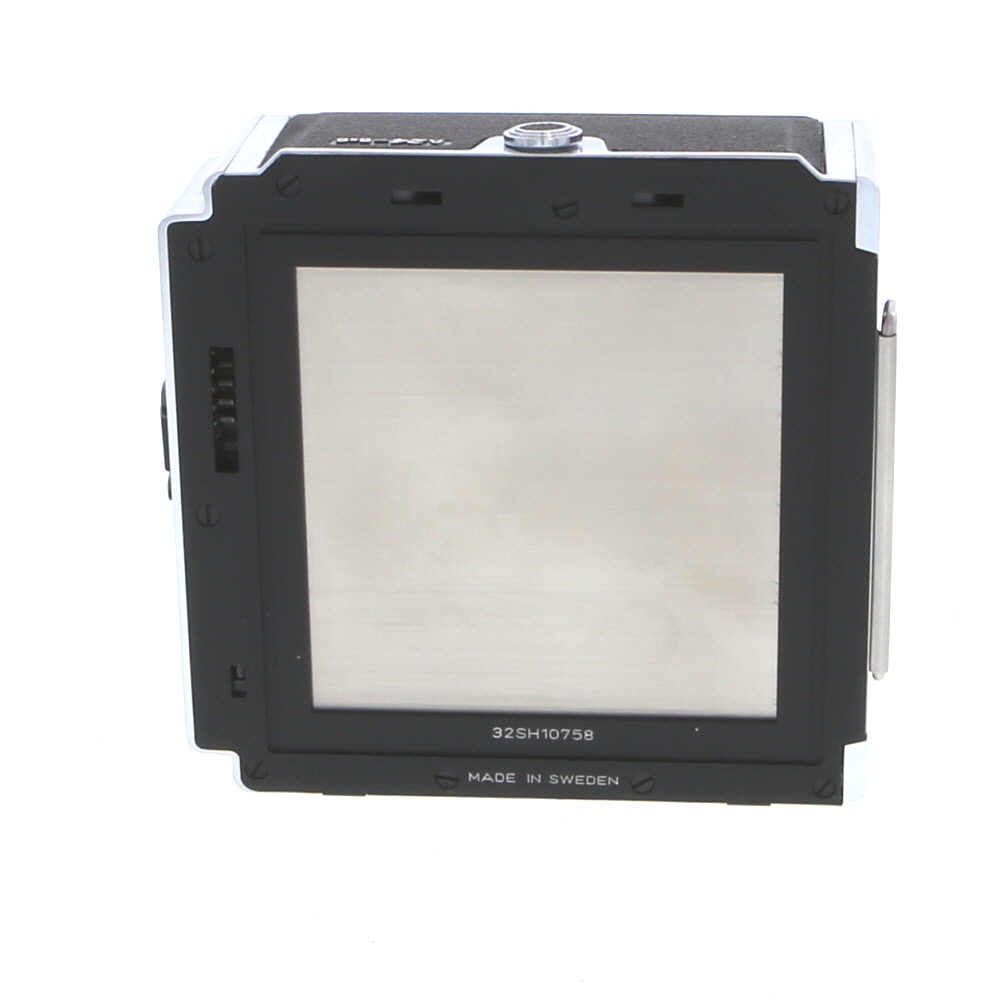
A CCD sensor works by capturing incoming light and converting it into electrical signals. The sensor is made up of an array of pixels, with each pixel containing a photosensitive diode that generates an electrical charge when exposed to light. This charge is then read by the camera’s processor and converted into digital data.
CMOS Sensor
A CMOS sensor operates in a similar way to a CCD sensor but with some differences in the underlying technology. CMOS sensors are typically more energy-efficient and cost-effective than CCD sensors, making them a popular choice for many digital cameras. CMOS sensors also have the advantage of being able to integrate additional functionality, such as on-chip noise reduction and image processing.
| CCD Sensor | CMOS Sensor |
|---|---|
| Higher image quality | Lower power consumption |
| Slower readout speeds | Higher readout speeds |
| More expensive | Less expensive |
Converting Light into Digital Signals
When light enters the camera through the lens, it hits the image sensor, which is made up of millions of tiny light-sensitive diodes called photosites. Each photosite corresponds to a pixel in the final image.
The photosites convert the incoming light into electrical signals. The brighter the light, the stronger the electrical signal generated. This process is known as photoelectric conversion.
The Role of Color Filters
To capture color images, most digital cameras use color filters placed over the individual photosites. These filters allow only certain wavelengths of light to pass through, enabling the sensor to capture red, green, and blue light separately.
In this way, the camera can record the intensity and color of the incoming light for each pixel, creating a full-color digital image.
Image Processing
Once the light enters the digital camera through the lens and hits the image sensor, the camera starts processing the information to create a digital image. Image processing involves several steps, including:
1. Color Filtering
The image sensor captures the light intensity and color information using an array of tiny color filters called Bayer filters. These filters allow each pixel to record either red, green, or blue light intensity, which is essential for producing a full-color image.
2. Demosaicing
After capturing the color information, the camera uses a process called demosaicing to interpolate the missing color values for each pixel. This step helps create a complete color image by filling in the gaps left by the Bayer filters.
| Step | Description |
|---|---|
| Color Filtering | Captures light intensity and color information using Bayer filters. |
| Demosaicing | Interpolates missing color values to create a complete color image. |
Enhancing and Storing Images
Once a digital camera captures an image, it can be further enhanced using image editing software. This software allows users to adjust the brightness, contrast, color balance, and other aspects of the image to improve its overall quality.
Additionally, images can be cropped, resized, or rotated to achieve a desired composition. Filters and effects can also be applied to create artistic or stylistic enhancements.

After the images have been enhanced, they can be stored on various devices such as memory cards, external hard drives, or cloud storage services. This allows users to access and share their images easily and securely.
Zoom and Focus Mechanism
The zoom and focus mechanism in a digital camera is responsible for adjusting the focal length and sharpness of the image. This mechanism allows the user to zoom in or out on a subject and adjust the focus to ensure a clear and sharp image.
The zoom mechanism typically consists of a series of lenses that can move closer together or further apart to change the focal length of the lens. This allows the camera to zoom in for close-up shots or zoom out for wide-angle shots. The focus mechanism, on the other hand, adjusts the position of the lens elements to bring the subject into sharp focus.
When you adjust the zoom or focus on a digital camera, the motorized mechanism inside the camera moves the lens elements to the desired position. Some cameras also feature manual zoom and focus rings that allow the user to manually adjust these settings.
Adjusting the Lens for Clear Shots
One of the key components of a digital camera is the lens, which plays a crucial role in capturing clear and sharp images. To ensure that your shots are in focus and sharp, it is important to adjust the lens properly. Here are a few tips on how to adjust the lens for clear shots:
1. Autofocus Feature
Most digital cameras come with an autofocus feature that automatically adjusts the lens to ensure that the subject is in focus. Make sure to half-press the shutter button to allow the camera to focus on the subject before taking the shot.
2. Manual Focus
If you prefer more control over the focus, you can switch to manual focus mode and adjust the lens yourself. Use the focus ring on the lens to adjust the focus until the subject appears sharp in the viewfinder or LCD screen.
By properly adjusting the lens of your digital camera, you can capture clear and sharp images that will enhance your photography skills.
Shutter and Aperture Control
In a digital camera, the shutter and aperture control work together to determine the amount of light that enters the camera and reaches the image sensor.
The shutter is a mechanism that opens and closes to allow light to pass through to the image sensor. It controls the amount of time the sensor is exposed to light, affecting the brightness of the image. A fast shutter speed will result in a sharp image of a moving subject, while a slow shutter speed can create a sense of motion.

The aperture is like the pupil of the camera, controlling the size of the opening through which light enters. It is measured in f-stops, with a lower f-stop number indicating a larger aperture opening and more light reaching the sensor. The aperture also affects the depth of field in the image, determining how much of the image is in focus.
Regulating Light Exposure
One of the key components of a digital camera is the image sensor, which is responsible for capturing light and converting it into digital signals. To regulate the amount of light that reaches the image sensor, the camera is equipped with an adjustable aperture and shutter speed.
The aperture is a mechanism that controls the size of the opening through which light enters the camera. By adjusting the aperture, the photographer can control the amount of light that reaches the image sensor. A smaller aperture lets in less light, while a larger aperture allows more light to pass through.
Similarly, the shutter speed determines how long the shutter remains open to expose the image sensor to light. A faster shutter speed results in less light reaching the sensor, while a slower shutter speed allows more light to enter. By adjusting the aperture and shutter speed, photographers can achieve the desired exposure for their photographs.
FAQ
Can you explain how a digital camera works in simple terms?
A digital camera works by capturing light through a lens and converting it into an electronic image. When you press the shutter button, the camera’s sensor captures the light and converts it into digital data, which is then processed and stored in the camera’s memory.

What are the main components of a digital camera and how do they work together?
The main components of a digital camera include the lens, image sensor, processor, and memory. The lens captures light and focuses it onto the image sensor, which converts the light into electronic signals. The processor then processes these signals to create a digital image, which is stored in the camera’s memory.
How does a digital camera sensor convert light into an image?
A digital camera sensor is made up of millions of light-sensitive photosites. When light enters the sensor through the lens, each photosite converts the light into an electrical charge. The processor then reads these charges and converts them into digital data, which forms the image captured by the camera.


I've been using a digital camera for a few years now, and it was surprising to learn how much detail goes into capturing an image. When I first started, I didn’t realize how important the lens quality is. After upgrading my lens, the difference in image clarity was incredible!