
 Carmen J. Moore
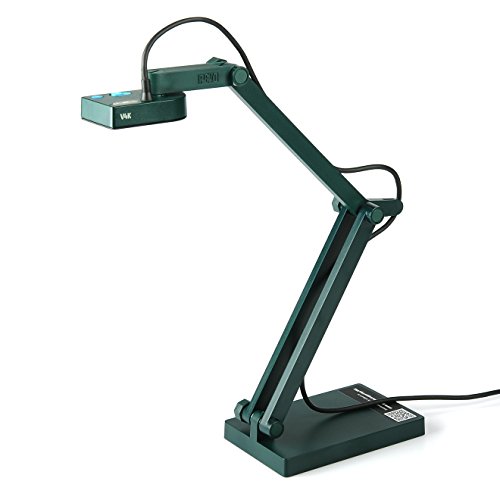
Digital cameras have revolutionized the way we capture moments, but they are also powerful tools for digitizing documents. By using a digital camera, you can quickly and easily convert physical documents into digital files, making them easier to store, share, and access.
So, how does a digital camera digitize documents? When you take a picture of a document with a digital camera, the camera’s sensor captures an image of the document. This image is then processed by the camera’s software, which converts it into a digital file format, such as JPEG or PDF.
One of the key benefits of using a digital camera to digitize documents is the flexibility it offers. You can digitize documents of any size or shape, from receipts and business cards to legal documents and posters. Additionally, digital cameras provide high-quality images, making it easier to read text and view details in the documents.


Understanding the Process of Digitizing Documents with a Digital Camera
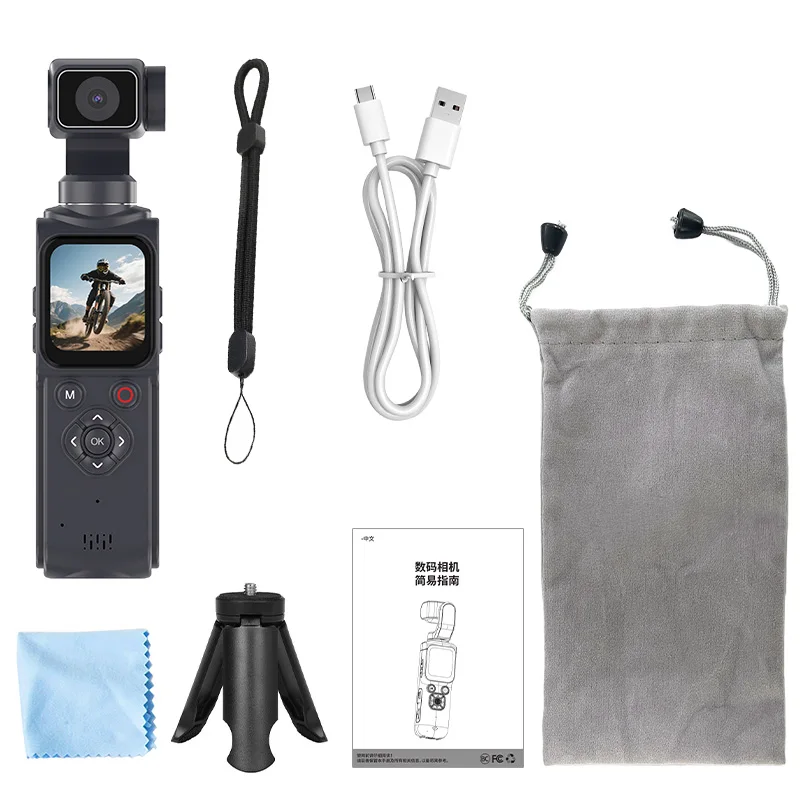
Digitizing documents with a digital camera involves capturing images of physical documents and converting them into digital format. This process is commonly used to create electronic copies of paper documents for storage, sharing, or archival purposes.
Steps to Digitize Documents with a Digital Camera:
- Preparation: Arrange the documents in a well-lit area with minimal shadows to ensure clear and readable images.
- Capture: Use the digital camera to take photos of each document, making sure to focus properly and capture the entire page.
- Review: Check the captured images for clarity, focus, and readability before proceeding to the next step.
- Transfer: Transfer the captured images from the camera to a computer or storage device for further processing.
- Conversion: Use image editing software or document scanning software to convert the images into PDF or other digital formats.
By following these steps, individuals and businesses can effectively digitize their documents using a digital camera, providing a convenient and accessible way to manage and organize important information.
The Basics of Digital Imaging
Digital imaging is the process of converting physical images or documents into digital form so they can be stored, viewed, and manipulated on a computer. This process involves capturing an image using a digital camera or scanner, converting the analog information into digital data, and storing the data in a digital file format.
How It Works
When an image is captured using a digital camera, the camera’s sensor converts the light that hits it into electrical signals. These signals are then digitized by an analog-to-digital converter (ADC), which assigns a numerical value to each pixel based on the intensity of light it represents. The resulting digital image is made up of thousands or millions of pixels, each with its own color and brightness values.
Once the image is digitized, it can be stored as a digital file in formats such as JPEG, PNG, or TIFF. These file formats compress the image data to reduce file size while maintaining image quality. The digital image can then be viewed on a computer screen, printed, edited, or shared online.

Key Components of a Digital Camera
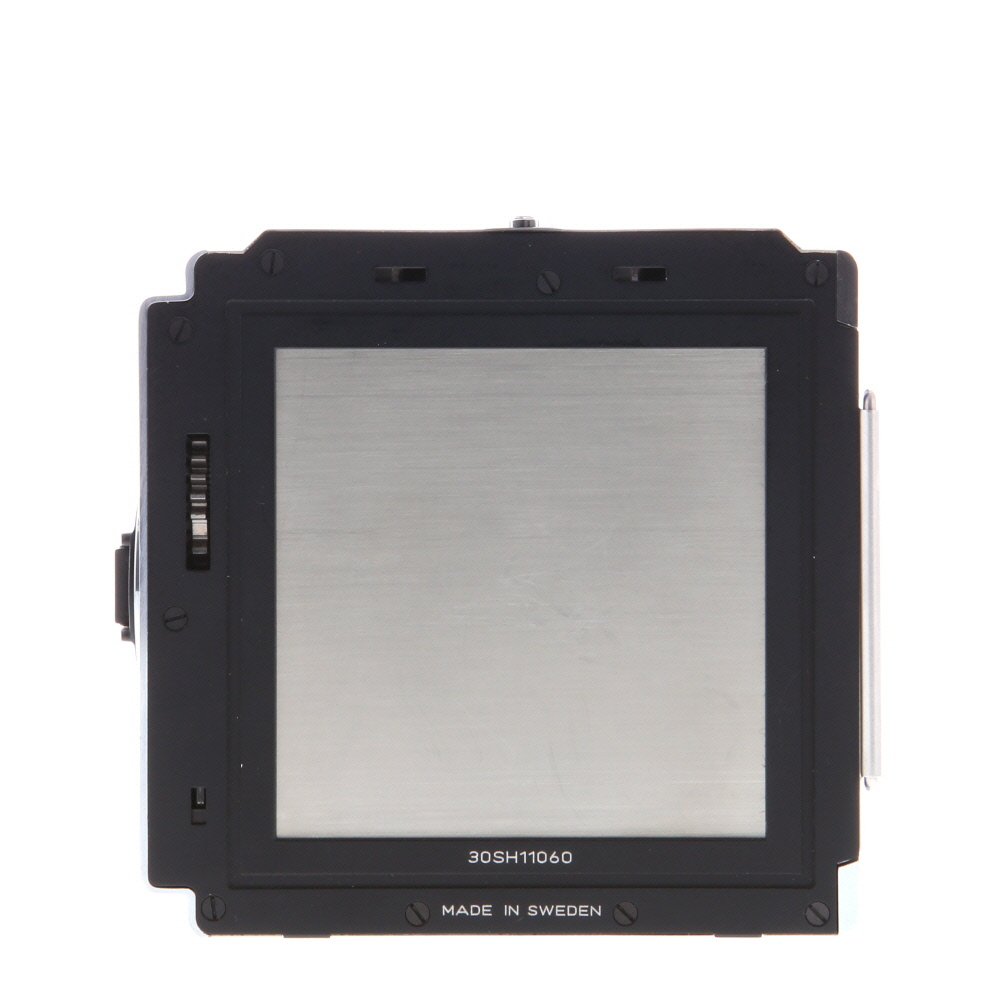
A digital camera consists of several key components that work together to capture and digitize images. Some of the main components include:
- Image Sensor: The image sensor is the heart of a digital camera and converts light into electronic signals.
- Lens: The lens focuses light onto the image sensor and plays a crucial role in image quality.
- Digital Signal Processor (DSP): The DSP processes the electronic signals from the image sensor to create a digital image.
- Memory: Digital cameras use memory cards to store captured images before they are transferred to a computer.
- LCD Screen: The LCD screen allows users to preview and review images captured by the camera.
- Shutter: The shutter controls the amount of light that reaches the image sensor and determines the exposure time.
- Battery: Digital cameras are powered by rechargeable batteries that provide the necessary energy to operate the camera.
These components work in harmony to digitize documents and capture high-quality images with a digital camera.
How Light is Captured and Processed
When you take a photo with a digital camera, light enters through the camera lens and hits the image sensor. The image sensor is made up of millions of tiny light-sensitive cells called photosites. Each photosite converts the light it receives into an electrical signal.
The camera’s processor then processes these electrical signals and converts them into digital data. This data is then stored on a memory card in the camera.
The Role of Sensors in Image Capture
One of the key components of a digital camera is the image sensor, which plays a crucial role in capturing images. The sensor is made up of millions of tiny light-sensitive cells that convert light into electrical signals. When you press the shutter button, the sensor is exposed to light through the camera lens, and each cell captures a tiny portion of the image. These electrical signals are then converted into digital data, which is processed by the camera’s image processor to create a digital image.
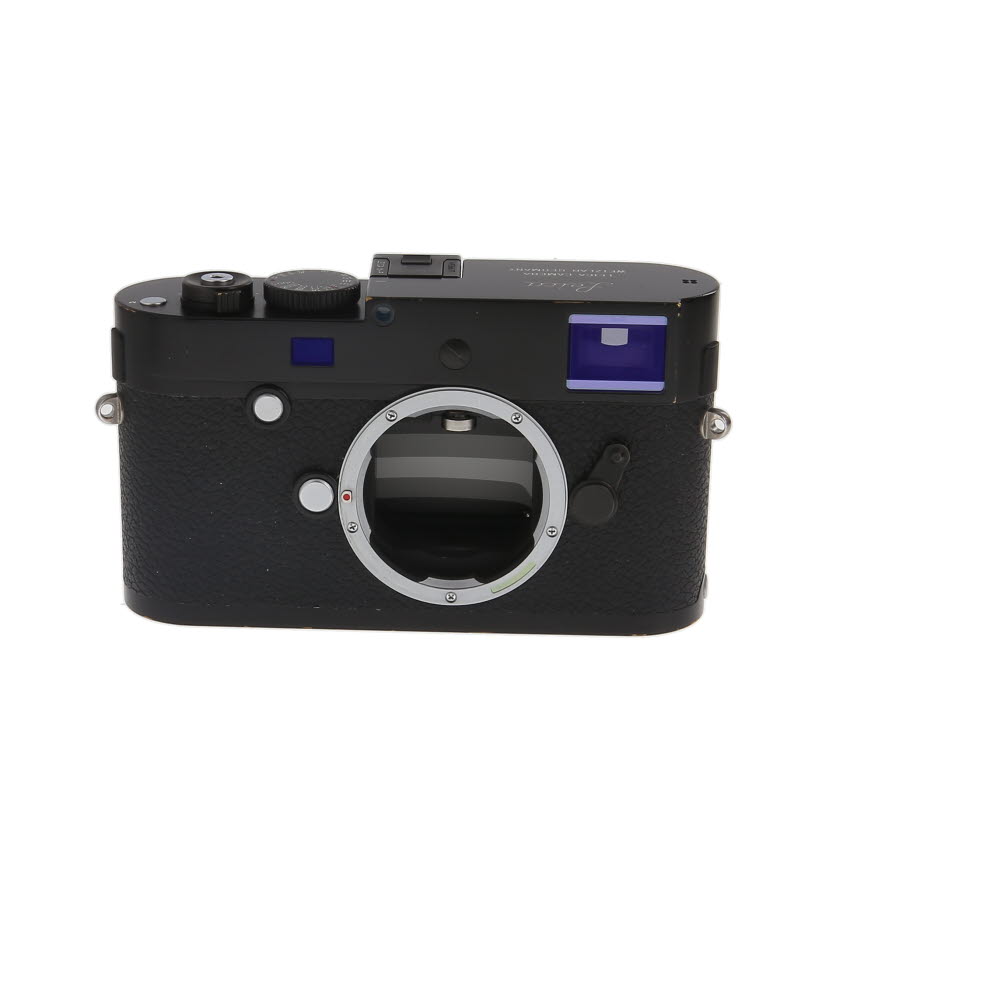
Image Processing and Compression
After capturing an image, a digital camera processes the raw data to create a digital representation of the document. This process involves image processing techniques such as color correction, noise reduction, and sharpening to enhance the quality of the image. Additionally, the camera may apply compression algorithms to reduce the size of the image file while maintaining image quality.
Compression plays a crucial role in digitizing documents as it helps in reducing storage space and speeding up data transmission. Common compression formats used in digital cameras include JPEG and PNG. These formats use different methods to compress the image data, resulting in varying levels of quality and file size.
Overall, image processing and compression are essential steps in the digitization process of documents, enabling digital cameras to capture, store, and transmit images efficiently.
Storing Digital Images
Once a digital camera digitizes a document or image, the data is stored in the camera’s memory card. The memory card acts as a temporary storage space for the digital images until they can be transferred to a computer or other storage device.
There are various types of memory cards used in digital cameras, such as SD cards, CF cards, and microSD cards. These cards have different storage capacities, ranging from a few gigabytes to several terabytes, allowing users to store a large number of images.
Organizing Images
Organizing digital images is important to keep them easily accessible and manageable. Users can create folders on their computer or storage device to categorize images by date, event, or any other criteria that make sense to them.
- Creating subfolders within the main folders can help further organize images and make it easier to locate specific photos.
- Some image management software also allows users to add tags or keywords to images, making it easier to search for specific photos based on their content.
By properly organizing and storing digital images, users can ensure that their memories are safe and easily accessible for years to come.
Advantages of Using a Digital Camera for Document Digitization
1. Portability: Digital cameras are compact and lightweight, making them easy to carry around for capturing documents on-the-go.
2. Quick Scanning: With a digital camera, you can quickly scan multiple documents in a matter of seconds, saving you time and effort compared to traditional scanners.
3. High Resolution: Most digital cameras offer high-resolution images, ensuring that your digitized documents are clear and legible for easy viewing and printing.

4. Versatility: Digital cameras can be used to digitize a wide range of documents, including photos, receipts, contracts, and more, making them a versatile tool for document management.
5. Cost-effective: Digital cameras are generally more affordable than dedicated document scanners, making them a cost-effective option for individuals and businesses looking to digitize their documents.
Challenges and Limitations
Digitising documents using a digital camera comes with its own set of challenges and limitations. One of the main challenges is ensuring consistent image quality and clarity across all documents. Factors such as lighting conditions, camera settings, and focus can affect the quality of the digitised documents.
Another limitation is the time-consuming nature of capturing each document individually. Unlike a scanner that can process multiple pages at once, a digital camera requires manual capture of each page, which can be time-consuming for large volumes of documents.
Future Trends in Digital Document Imaging
1. Artificial Intelligence Integration: One of the key trends in digital document imaging is the integration of artificial intelligence (AI) technologies. AI can help automate document processing, improve image quality, and enhance text recognition capabilities.

2. Cloud-based Solutions: With the rise of cloud computing, digital document imaging is increasingly moving towards cloud-based solutions. This allows for easier access to documents, improved collaboration, and enhanced security features.
3. Mobile Document Imaging: As mobile devices become more powerful, the trend towards mobile document imaging is expected to grow. This enables users to capture documents on-the-go and digitise them quickly and efficiently.
4. Blockchain Technology: Blockchain technology is being explored for digital document imaging to ensure secure and tamper-proof document storage. This can help prevent fraud and ensure the authenticity of digital documents.
5. Enhanced Security Features: With the increasing importance of data security, digital document imaging is incorporating enhanced security features such as encryption, authentication, and access control to protect sensitive information.
FAQ
How does a digital camera capture an image?
A digital camera captures an image by focusing light onto a digital sensor inside the camera. The sensor converts the light into electrical signals, which are then processed and stored as a digital image file.

What is the process of digitising documents with a digital camera?
Digitising documents with a digital camera involves taking a photo of the document using the camera’s lens, capturing the image as a digital file, and then transferring the file to a computer or storage device for further processing or sharing.
Can a digital camera be used to scan documents?
Yes, a digital camera can be used to scan documents by taking a high-resolution photo of the document, ensuring that the text and details are clear and legible. The digital image can then be processed and saved as a scanned document.
What are the advantages of using a digital camera to digitise documents?
Using a digital camera to digitise documents offers advantages such as portability, flexibility in capturing a variety of document sizes, and the ability to quickly capture and store images without the need for a dedicated scanner. It can be a convenient solution for on-the-go document digitisation needs.


I recently started digitizing my old documents with my digital camera, and I've found it really effective! The quality is surprisingly good, especially for things like receipts and old photos. Just make sure to use a tripod for stability. It makes a big difference in clarity when you're capturing the images.
How does using a digital camera for digitizing documents compare to using a traditional document scanner? Are there any specific advantages?
I don’t think digital cameras are necessary for document digitization. I prefer using a scanner because it gives more consistent results, especially for text-heavy documents.
I see your point, but I think cameras offer more flexibility. You can capture different sizes and types of documents that scanners can't handle as easily.
How do you ensure that the lighting is perfect when taking pictures of documents? I often struggle with shadows affecting the clarity of the text.