
 Carmen J. Moore

As technology continues to advance, traditional 35mm film cameras have given way to their digital counterparts, offering photographers a new realm of possibilities. But how exactly do these new 35mm digital cameras work?
Unlike film cameras that use rolls of film to capture images, digital cameras utilize electronic sensors to convert light into digital signals. These sensors, commonly known as CCD or CMOS sensors, are the heart of a digital camera, capturing the image and translating it into a digital format.




Once the image is captured by the sensor, it is processed by the camera’s internal processor, where various settings such as exposure, white balance, and color saturation are applied. The processed image is then saved onto a memory card, ready to be viewed, edited, or shared.
Exploring the Technology
Modern 35 mm digital cameras are equipped with advanced technology that allows them to capture high-quality images with precision and speed. The key components of these cameras include:
Sensor
The sensor is the heart of a digital camera, converting light into digital signals. In 35 mm cameras, the sensor is typically a CMOS or CCD sensor, which captures the image data and sends it to the image processor.
Image Processor
The image processor in a digital camera processes the raw image data captured by the sensor, applying algorithms to enhance the image quality and reduce noise. It also controls functions such as white balance, exposure, and color reproduction.
| Feature | Description |
|---|---|
| Autofocus System | Uses phase detection or contrast detection to quickly and accurately focus on the subject. |
| Burst Mode | Allows rapid shooting of multiple frames per second, capturing fast-moving subjects. |
| ISO Range | Determines the camera’s sensitivity to light, with higher ISO settings suitable for low-light conditions. |
Understanding Sensor Size
One of the key components of a digital camera is its image sensor, which is responsible for capturing light and converting it into digital signals. The size of the sensor plays a crucial role in determining the image quality and performance of the camera.

A larger sensor typically allows for better low-light performance, higher dynamic range, and improved image quality overall. This is because a larger sensor can capture more light, resulting in less noise and better detail in the final image.
On the other hand, smaller sensors are often found in compact cameras and smartphones, sacrificing some image quality for a more compact and portable design. However, advancements in technology have made it possible for smaller sensors to produce impressive results, especially in well-lit conditions.
Exploring Lens Options
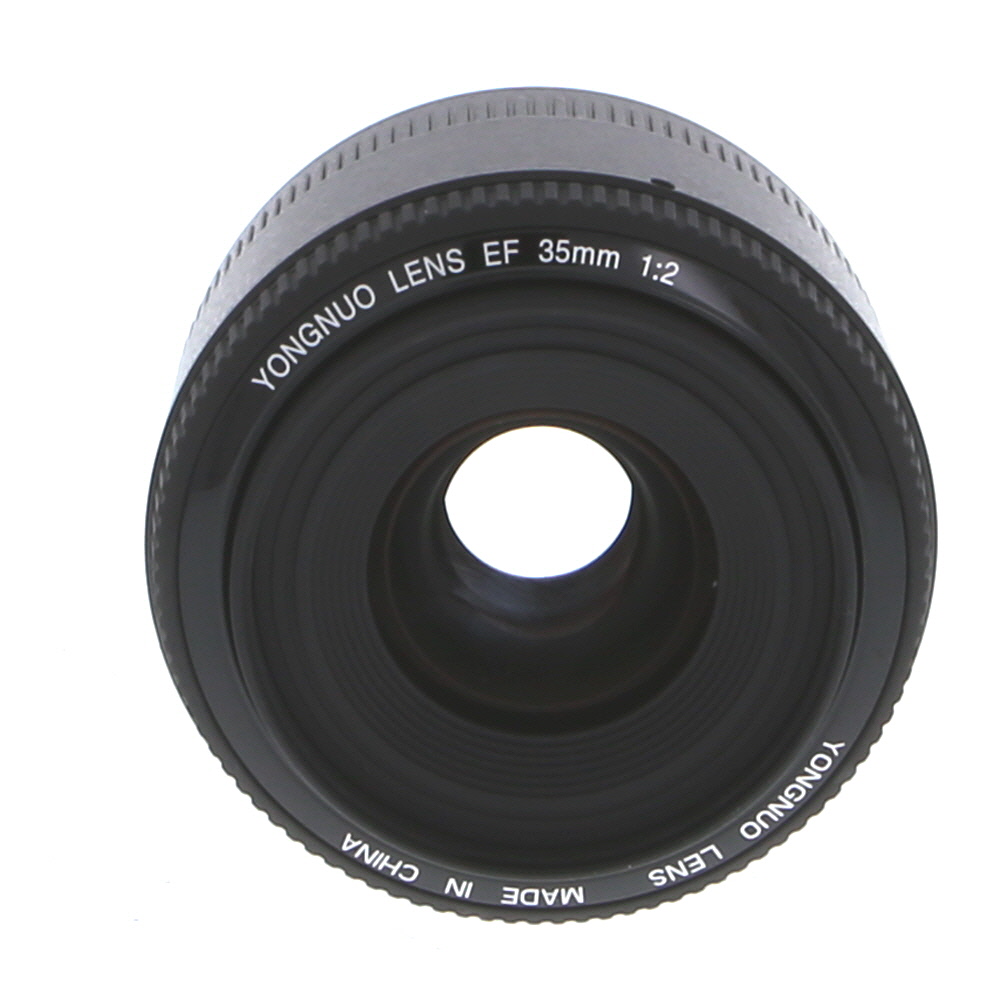
One of the key advantages of 35 mm digital cameras is the ability to use interchangeable lenses, allowing photographers to customize their gear for different shooting situations. There are a wide variety of lenses available on the market, each with its own unique characteristics and capabilities.
| Lens Type | Features |
|---|---|
| Prime Lens | Offers a fixed focal length, often providing superior image quality and faster aperture settings. |
| Zoom Lens | Allows for variable focal lengths, providing flexibility in framing and composition without changing lenses. |
| Macro Lens | Designed for close-up photography, capturing fine details with high magnification. |
| Wide-Angle Lens | Ideal for landscape and architectural photography, providing a wider field of view. |
| Telephoto Lens | Offers a long focal length for capturing distant subjects, commonly used in sports and wildlife photography. |
When selecting a lens for your 35 mm digital camera, consider factors such as focal length, aperture range, image stabilization, and compatibility with your camera model. Experimenting with different lenses can help you explore new creative possibilities and enhance your photography skills.
Operating System Overview
35 mm digital cameras rely on a sophisticated operating system to manage various functions and processes. The operating system serves as the brain of the camera, controlling everything from image processing to user interface interactions.
Key components of the operating system include:
- Image Processing: The OS processes raw image data captured by the camera’s sensor, applying various algorithms to enhance image quality.
- User Interface: The OS governs how users interact with the camera, including settings adjustment, menu navigation, and image preview.
- File Management: The OS organizes and stores captured images and videos in a structured manner for easy retrieval and sharing.
- Hardware Control: The OS manages hardware components such as the sensor, lens, and display, ensuring seamless integration and operation.
Overall, the operating system plays a crucial role in the functionality and performance of 35 mm digital cameras, allowing users to capture high-quality images with ease.
Customizable Settings
One of the key features of new 35 mm digital cameras is their customizable settings. This allows photographers to tailor the camera to their specific preferences and shooting style. Here are some of the common settings that can be customized:
1. Exposure
Users can adjust the exposure settings such as aperture, shutter speed, and ISO to achieve the desired exposure for their photos. This flexibility helps photographers capture images in various lighting conditions.
2. White Balance
White balance settings can be adjusted to ensure accurate color reproduction in different lighting environments. Users can choose from presets like daylight, cloudy, fluorescent, and custom white balance settings.
Overall, the ability to customize settings on 35 mm digital cameras gives photographers more control over their images and allows them to unleash their creativity.
Image Processing Techniques
One of the key features of new 35 mm digital cameras is their advanced image processing techniques. These cameras use powerful algorithms to enhance image quality, reduce noise, and improve overall clarity. Some common image processing techniques used in these cameras include:
- Noise Reduction: Digital cameras often struggle with noise in low-light conditions. Image processing algorithms are used to reduce this noise and produce cleaner images.
- Color Correction: Algorithms can adjust the color balance of an image to ensure accurate and vibrant colors.
- Sharpening: Image processing techniques can enhance the sharpness of details in an image, making them appear more crisp and clear.
- Dynamic Range Adjustment: Cameras can adjust the dynamic range of an image to ensure that both highlights and shadows are properly exposed.
Overall, these image processing techniques play a crucial role in improving the quality of images captured by new 35 mm digital cameras, allowing photographers to achieve stunning results with ease.
FAQ
How do 35 mm digital cameras capture images?
35 mm digital cameras capture images by using a sensor to convert light into digital data. When light enters the camera through the lens, it hits the sensor, which then converts it into electronic signals. These signals are processed and stored as digital image files on a memory card.
What are the advantages of using a 35 mm digital camera over a film camera?
35 mm digital cameras offer several advantages over film cameras, including instant image preview, the ability to adjust settings and retake shots immediately, and the convenience of storing images digitally without the need for film processing. Additionally, digital cameras allow for easy sharing and editing of images on a computer or online.

How do 35 mm digital cameras differ from smartphone cameras?
35 mm digital cameras typically have larger sensors, more advanced optics, and manual control options that allow for greater creative control and image quality compared to smartphone cameras. Additionally, digital cameras often have interchangeable lenses and accessories that can enhance their capabilities for different types of photography.


I don't think 35 mm digital cameras are much better than high-end smartphones anymore. The image quality has improved so much in phones that it’s hard to justify the cost of a new camera. What do you think?
I can see your point, but I still think the lens options and manual control on a 35 mm camera provide a level of creativity and quality that smartphones just can't match.
I've recently switched to a 35 mm digital camera after years of using film cameras. The instant image review feature is a game changer. I can adjust settings on the fly, which was impossible with film. Plus, the editing capabilities on my computer make it so much easier to enhance my photos. Highly recommend the transition!
How do the image sensors in 35 mm digital cameras compare to those in smartphones? Are they really that much better?
Yes, they typically have larger sensors that capture more light, resulting in better image quality, especially in low light. I’ve noticed a huge difference in my photos when switching from a smartphone to a 35 mm camera.
Great point! Larger sensors generally provide better dynamic range and lower noise in images, which are key advantages over smartphone cameras.