
 Carmen J. Moore

Photography enthusiasts and professionals often wonder whether a solar filter is necessary when using a digital camera to capture the beauty of the sun. With the increasing popularity of solar photography, understanding the importance of using a solar filter is crucial to protect both your camera and your eyes.
A solar filter is designed to reduce the intensity of sunlight passing through the lens of your camera, preventing damage to the camera’s sensor and lens. Without a solar filter, the intense brightness of the sun can cause irreparable harm to your equipment, resulting in overexposed images and potential damage.

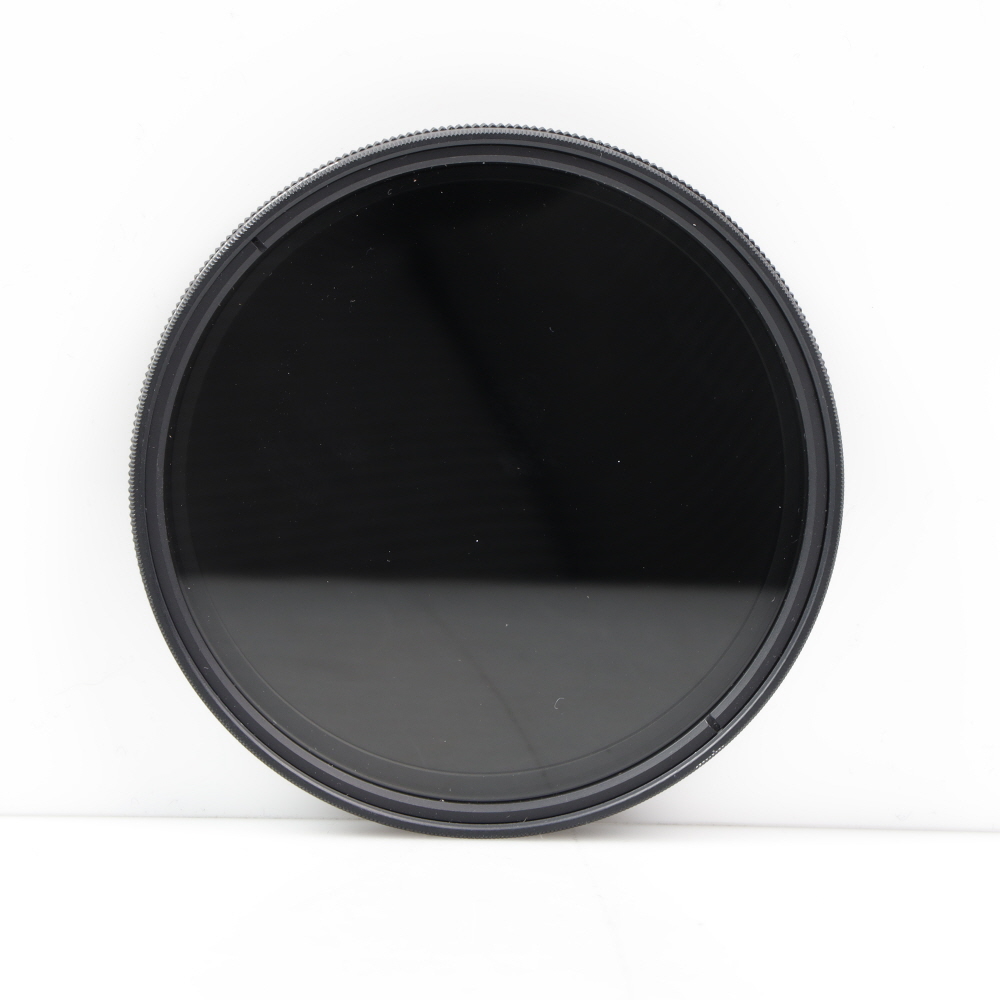


Whether you are capturing a solar eclipse, a sunset, or simply experimenting with solar photography, investing in a high-quality solar filter is essential to achieve stunning and safe results. By using a solar filter, you can capture the sun’s intricate details and vibrant colors without compromising the integrity of your camera.
Benefits of Using Solar Filters
Solar filters offer a range of benefits for digital cameras when capturing images of the sun. Here are some key advantages:
1. Protection: Solar filters protect your camera’s sensor from the intense light and heat of the sun, preventing damage to the equipment.
2. Enhanced Image Quality: By reducing glare and reflections, solar filters help improve the clarity and sharpness of solar photographs.
3. Safety: Using a solar filter ensures that you can safely observe and photograph the sun without risking eye damage or harming your camera.

4. Versatility: Solar filters allow you to capture stunning solar images with different digital cameras, making them a versatile tool for photographers.
5. Professional Results: With a solar filter, you can achieve professional-looking solar photographs with vibrant colors and detailed textures.
Overall, using a solar filter with your digital camera can enhance your solar photography experience and produce impressive results.
Protection for Your Camera
When using your digital camera to take photos of the sun, it is essential to protect both your camera and your eyes from the intense light and heat. A solar filter is a must-have accessory to ensure the safety of your equipment and yourself.
A solar filter is a specialized lens attachment that reduces the amount of light entering the camera, preventing damage to the camera’s sensor and lens. It also helps to capture clear and detailed images of the sun without overexposure or lens flare.
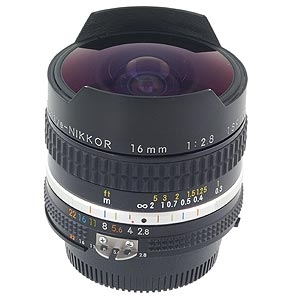
Types of Solar Filters:
There are different types of solar filters available, such as full-aperture filters, threaded filters, and sheet filters. Full-aperture filters cover the entire front of the lens, while threaded filters screw onto the camera’s lens. Sheet filters can be cut to size and attached to the lens using a filter holder.
It is important to choose a high-quality solar filter that is specifically designed for solar photography to ensure the best results and protection for your camera.
Enhanced Image Quality
Using a solar filter with your digital camera can greatly enhance the quality of your images. The filter helps reduce glare and reflections caused by the intense sunlight, resulting in clearer and more detailed photos of the sun and solar phenomena.
Sharper Images
By blocking out excess light, a solar filter allows your camera to capture sharper images with better contrast and definition. This is especially important when photographing sunspots, solar flares, and other intricate details on the sun’s surface.
Additionally, the filter helps prevent overexposure, ensuring that the colors and textures of the sun are accurately captured in your photos.

Safe Solar Photography
When capturing images of the sun with a digital camera, it is crucial to prioritize safety. The intense light emitted by the sun can cause damage to the camera’s sensor and potentially harm your eyes if proper precautions are not taken.
Using a Solar Filter
For solar photography, it is highly recommended to use a solar filter to protect both your camera and your eyes. A solar filter is a specialized lens that reduces the intensity of the sun’s light, allowing you to capture clear images without risking damage.
When choosing a solar filter, make sure it is designed specifically for solar photography and is compatible with your camera. Do not attempt to use improvised filters or sunglasses, as they do not provide adequate protection.
Safe Shooting Practices
- Always attach the solar filter to your camera before pointing it at the sun.
- Avoid looking directly at the sun through the camera’s viewfinder or LCD screen.
- Limit the duration of your solar photography sessions to prevent overheating of the camera.
- Be mindful of your surroundings and do not disturb others while capturing solar images.
Prevent Damage to Camera Sensor
Using a solar filter on a digital camera is crucial to prevent damage to the camera sensor. Directly pointing the camera at the sun without a solar filter can result in the intense light and heat from the sun damaging the sensor, leading to permanent damage and costly repairs. A solar filter helps to reduce the intensity of the sunlight entering the camera, protecting the sensor from harm. It is important to always use a solar filter when capturing images of the sun to ensure the longevity and performance of your digital camera.
Capture Solar Phenomena
When it comes to capturing solar phenomena such as solar eclipses or sunspots with a digital camera, it is crucial to use a solar filter to protect both your camera’s sensor and your eyes. Solar filters are designed to reduce the intensity of sunlight to safe levels, allowing you to capture stunning images of the sun without damaging your equipment or risking eye damage. Without a solar filter, the intense light from the sun can overwhelm your camera’s sensor, leading to overexposed images and potential damage to the sensor.

Choosing the Right Solar Filter
When it comes to photographing the sun with a digital camera, it is crucial to use a solar filter to protect both your eyes and your camera’s sensor. Here are some key factors to consider when choosing the right solar filter:
1. Filter Type
There are different types of solar filters available, such as full aperture filters, off-axis filters, and solar film. Full aperture filters cover the entire lens, while off-axis filters allow you to capture the sun without blocking the entire field of view. Solar film is a cost-effective option that can be cut to fit your camera lens.
2. Filter Size
Make sure to choose a solar filter that fits your camera lens properly. Measure the diameter of your lens and select a filter that matches the size to ensure full coverage and protection from harmful solar rays.
| Filter Type | Pros | Cons |
|---|---|---|
| Full Aperture Filter | Provides full coverage | May block some details |
| Off-axis Filter | Allows partial view | May require precise alignment |
| Solar Film | Cost-effective | Requires cutting to fit |
FAQ
Do I need a solar filter for my digital camera?
Yes, you should use a solar filter when capturing images of the sun with a digital camera to protect your camera’s sensor from damage caused by the intense sunlight.
Can I damage my digital camera by taking pictures of the sun without a solar filter?
Yes, photographing the sun without a solar filter can damage the sensor of your digital camera due to the intensity of the sunlight. It is highly recommended to use a solar filter to protect your camera.
What are the consequences of not using a solar filter for a digital camera?
Not using a solar filter when taking pictures of the sun with a digital camera can result in permanent damage to the camera’s sensor, affecting the quality of future images. It is important to prioritize the safety of your equipment by using a solar filter.
Are there any alternatives to using a solar filter for a digital camera when photographing the sun?
While using a solar filter is the recommended method for capturing images of the sun with a digital camera, you can also consider using a specialized solar lens cap or a solar telescope that includes built-in filters to protect your camera’s sensor from damage.


I’m new to solar photography and not sure if I really need a solar filter. Can someone explain why it’s necessary for protecting my camera?
What’s the difference between a full aperture filter and a solar film? I’m trying to decide which one to buy.
I’ve been using a solar filter for a while now, and I can really see the difference in image quality. My photos have better color and detail. I once accidentally shot without a filter during a sunset, and it ruined the shot. Definitely recommend investing in a good one!
Always remember to attach the solar filter before pointing your camera at the sun! I learned that the hard way.