Carmen J. Moore

Digital cameras have revolutionized the way we capture and store images, but are they really as accurate as we think?
One common concern among photographers and consumers alike is the issue of image smearing. This phenomenon occurs when the camera’s sensor fails to accurately capture fine details, resulting in a blurry or smeared appearance in the final image.


Many people wonder if digital cameras have the ability to “unsmear” images and restore them to their original clarity. In this article, we will explore the technology behind digital cameras and whether or not they have the capability to correct smearing in images.
Understanding Image Smearing
Image smearing is a common issue that occurs in digital photography when the subject moves during the exposure, resulting in a blurred or distorted image. This can happen due to various factors such as camera shake, slow shutter speed, or movement of the subject.
Causes of Image Smearing
Camera shake is one of the primary causes of image smearing. When the camera is not held steady during the exposure, the resulting image can appear blurred. This is especially noticeable in low-light conditions or when using slow shutter speeds.
Subject movement can also lead to image smearing. If the subject moves while the camera is capturing the image, it can result in a distorted or blurry photo. This is common in action photography or when shooting moving subjects.
Preventing Image Smearing
To prevent image smearing, it is important to use proper camera techniques such as holding the camera steady, using a tripod, or increasing the shutter speed to freeze motion. Additionally, using image stabilization technology in cameras can help reduce the effects of camera shake.

Common causes of image smearing
Image smearing can be caused by a variety of factors, including:
- 1. Camera shake: When the camera moves during the exposure, it can result in blurred images.
- 2. Slow shutter speed: Using a slow shutter speed can lead to motion blur if the subject or the camera moves.
- 3. Out-of-focus shots: If the camera fails to focus properly on the subject, the image may appear blurry or smeared.
- 4. Poor lighting conditions: Insufficient light can force the camera to use a slow shutter speed, increasing the risk of smearing.
- 5. Dirty lens or sensor: Dust, smudges, or dirt on the lens or sensor can degrade image quality and cause smearing.
Impact of Image Smearing on Digital Photography
Image smearing in digital photography can have a significant impact on the quality of the captured images. When a digital camera captures an image, any movement during the exposure time can result in smearing. This movement can be caused by shaky hands, subject movement, or camera shake.
Image smearing can lead to blurred or distorted images, reducing the overall sharpness and clarity of the photograph. It can also affect the level of detail captured in the image, making it difficult to distinguish fine details or textures.
The Role of Image Stabilization
Image stabilization technology in digital cameras helps reduce image smearing by compensating for camera shake or movement. This technology allows photographers to capture sharper images even in low light conditions or when using slower shutter speeds.
Conclusion: Understanding the impact of image smearing on digital photography is crucial for photographers to improve their skills and produce high-quality images with clear, sharp details.
How digital cameras handle image smearing
Image smearing is a common issue in digital photography, especially in low light conditions or when capturing fast-moving subjects. Digital cameras employ various techniques to minimize or eliminate image smearing and ensure sharp and clear images.
1. Image stabilization
Many digital cameras come equipped with image stabilization technology, which helps reduce blur caused by camera shake. Optical image stabilization (OIS) or sensor-shift stabilization systems can compensate for small movements of the camera during exposure, resulting in sharper images.
2. Faster shutter speeds
To reduce the effects of motion blur, digital cameras can use faster shutter speeds to freeze the action and capture sharp images. By adjusting the shutter speed, photographers can ensure that the camera captures a clear image without smearing or blurring.
Advancements in Image Processing Technology
Image processing technology has seen significant advancements in recent years, leading to improved image quality and the ability to enhance and manipulate digital images in ways that were previously impossible. One such advancement is the development of sophisticated algorithms that can unsmear images and reduce noise, resulting in clearer and sharper pictures.
These algorithms work by analyzing the pixel data in an image and applying complex mathematical operations to remove blur and other imperfections. This technology has revolutionized the field of digital photography, allowing photographers to salvage photos that may have otherwise been unusable due to motion blur or other issues.

Techniques to reduce image smearing
Image smearing can be reduced using various techniques in digital photography. One common method is to increase the shutter speed to minimize motion blur, which can contribute to smearing. Additionally, using a tripod or image stabilization technology can help stabilize the camera and reduce blurriness caused by movement.
Post-processing software, such as Adobe Photoshop or Lightroom, also offers tools to reduce image smearing. Techniques like sharpening, noise reduction, and deblurring filters can be applied to enhance image clarity and reduce smearing.
Furthermore, capturing images in RAW format allows for more flexibility in post-processing and can help improve overall image quality, including reducing smearing. Experimenting with different settings and techniques can also help photographers find the best approach to minimize image smearing in their digital photographs.
Importance of Image Quality in Digital Photography
Image quality is a crucial aspect of digital photography as it directly impacts the final output of your photographs. High image quality ensures sharpness, clarity, and color accuracy, making your photos visually appealing and professional. Poor image quality can result in blurry, pixelated, or distorted images, which can detract from the overall impact of your work.
The Importance of Resolution
Resolution plays a key role in determining the quality of an image. Higher resolution cameras capture more detail and produce sharper images, allowing for greater flexibility in cropping and enlarging photos without sacrificing quality. When printing or sharing photos online, higher resolution images retain their sharpness and clarity, enhancing the overall viewing experience for viewers.
Color Accuracy and Dynamic Range
Color accuracy and dynamic range are essential for creating vibrant and lifelike images. Digital cameras with good color reproduction capabilities can accurately capture the colors of a scene, ensuring that your photos look natural and true to life. A wide dynamic range allows you to capture both shadow and highlight details in high-contrast scenes, producing well-balanced and visually pleasing images.
Comparison of image smearing in different camera models
Image smearing is a common issue in digital photography, especially in low-light conditions or when capturing fast-moving subjects. Different camera models may exhibit varying levels of image smearing due to differences in sensor technology, image processing algorithms, and lens quality.
| Camera Model | Image Smearing |
|---|---|
| Canon EOS 5D Mark IV | Minimal smearing due to advanced sensor technology and image processing |
| Nikon D850 | Low smearing with excellent image detail retention |
| Sony Alpha A7 III | Some smearing in low-light conditions but generally good performance |
| Fujifilm X-T3 | Minor smearing in high-contrast scenes |
When choosing a camera, it’s important to consider the level of image smearing you can tolerate based on your photography needs and shooting conditions. Testing different camera models in real-world scenarios can help you determine which one best suits your requirements.
Tips for capturing clear and sharp images
1. Use a tripod or stabilize your camera to minimize camera shake and ensure sharp images.
2. Adjust the focus settings to ensure your subject is sharp and in focus.
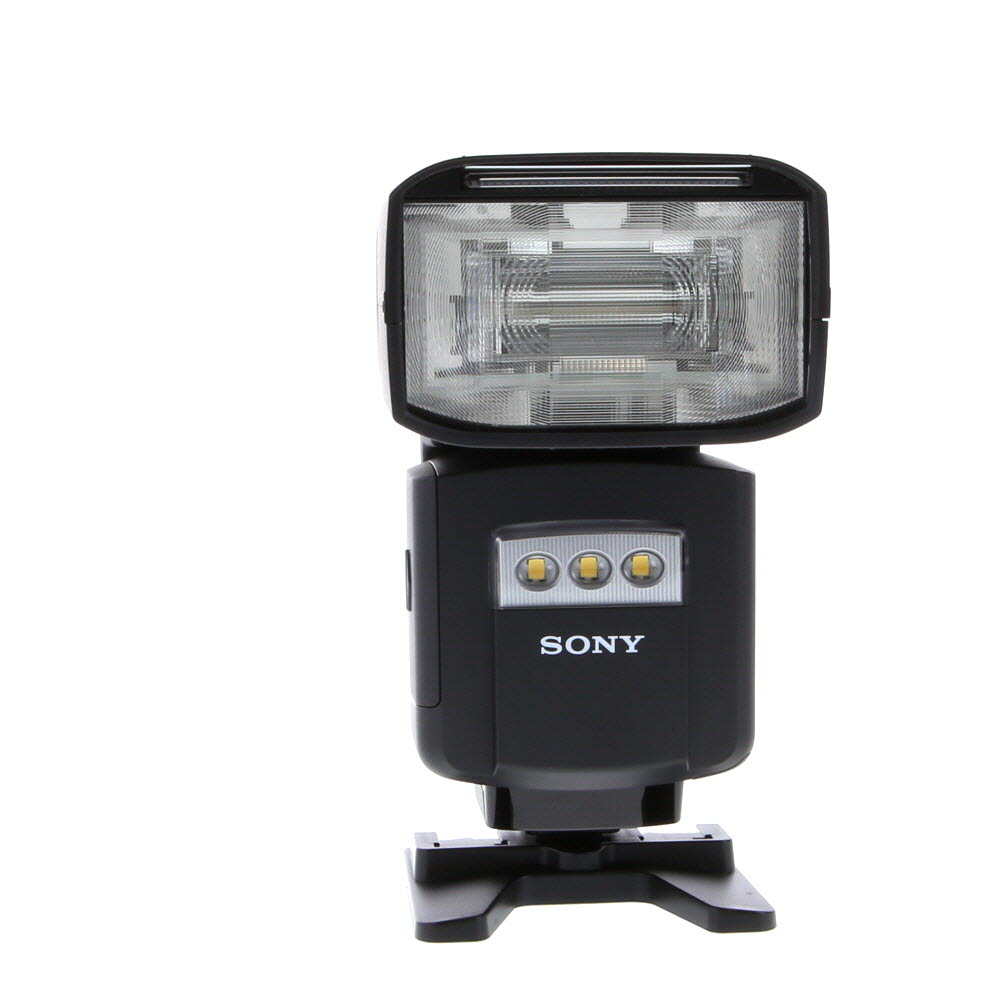
3. Check the lighting conditions and adjust the exposure settings accordingly for crisp images.
4. Keep your lens clean to prevent smudges and blurriness in your photos.
5. Experiment with different aperture settings to control depth of field and enhance sharpness.
6. Utilize image stabilization technology if available to reduce blur caused by camera movement.
Future trends in image processing and smearing prevention
As technology advances, image processing algorithms are constantly improving to provide better image quality and reduce smearing. Here are some future trends to look out for:

1. AI-powered image processing
Artificial intelligence (AI) is playing a significant role in image processing, allowing for more accurate and efficient smearing prevention techniques. AI algorithms can analyze images in real-time and apply corrective measures to reduce smearing artifacts.
2. Computational photography
Computational photography techniques are becoming increasingly popular, enabling photographers to capture high-quality images even in challenging lighting conditions. These techniques can help prevent smearing by intelligently combining multiple exposures to produce a sharp and clear image.
- 3. Advanced sensor technologies
Developments in sensor technologies, such as stacked CMOS sensors and back-illuminated sensors, are improving image quality and reducing smearing. These sensors can capture more light and detail, leading to sharper images with minimal smearing.
FAQ
Do digital cameras have the capability to unsmear images?
Digital cameras do not have the inherent ability to unsmear images. However, image processing software can be used to enhance and sharpen images, which may help reduce the appearance of smearing caused by various factors such as motion blur or low resolution.
Is there a specific feature in digital cameras that can automatically unsmear images?
Most digital cameras do not have a built-in feature specifically designed to unsmear images. However, some cameras may offer image stabilization technology or high-speed shooting modes that can help reduce motion blur and improve image clarity.

What are the common causes of smearing in digital camera images?
Smearing in digital camera images can be caused by factors such as motion blur, low light conditions, slow shutter speed, and camera shake. These factors can result in a loss of detail and sharpness in the final image.
Can post-processing software effectively unsmear images captured by digital cameras?
Post-processing software, such as Adobe Photoshop or Lightroom, can be used to enhance and sharpen images captured by digital cameras. By adjusting parameters such as sharpness, contrast, and noise reduction, it is possible to reduce the appearance of smearing and improve image quality.
Are there any tips for avoiding smearing in digital camera images?
To avoid smearing in digital camera images, it is important to use a fast shutter speed, stable camera support (such as a tripod), proper lighting conditions, and image stabilization technology if available. Additionally, practicing good camera technique, such as holding the camera steady and using burst mode for moving subjects, can help reduce smearing and improve image quality.