Carmen J. Moore
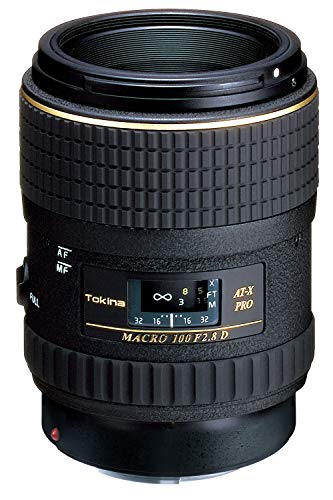
Canon film lenses have a long history of producing high-quality images on traditional film cameras. However, with the advent of digital photography, many photographers wonder if these lenses can be used on modern digital cameras.
The good news is that in most cases, Canon film lenses can be used on digital cameras with the appropriate adapter. This opens up a world of possibilities for photographers who want to experiment with different lenses and achieve unique effects.
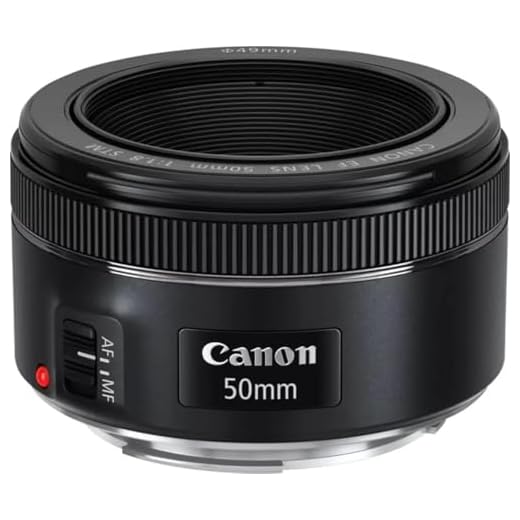
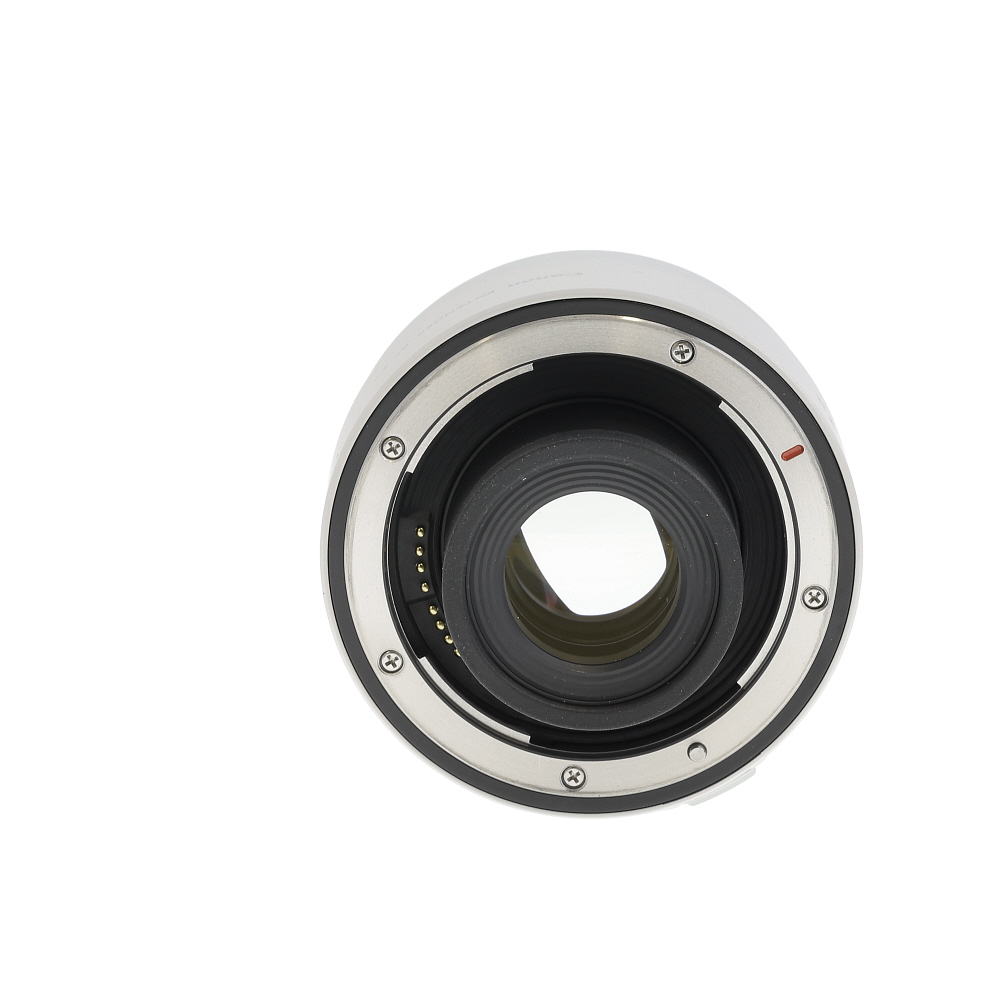

While there may be some limitations in terms of autofocus and compatibility, using Canon film lenses on digital cameras can still yield impressive results. It’s a way to blend the old with the new, creating a bridge between traditional photography and the digital age.
Using Canon Film Lenses on Digital Cameras
Canon film lenses can often be used on digital cameras with the right adapters. However, there are some considerations to keep in mind when doing so.
Compatibility
Not all Canon film lenses are compatible with all digital cameras. It is important to check the compatibility of the specific lens and camera combination before attempting to use them together.
Adapter
In most cases, you will need an adapter to mount a Canon film lens on a digital camera. These adapters can vary in quality and functionality, so it is important to choose one that is well-suited for your setup.
| Pros | Cons |
|---|---|
| Cost-effective way to use existing lenses | Potential loss of image quality |
| Ability to access unique focal lengths | Limited autofocus capabilities |
Compatibility of Canon Film Lenses with Digital Cameras
Many Canon film lenses can be used on digital cameras, but there are some considerations to keep in mind. One of the key factors is the lens mount. Canon EF lenses (introduced in 1987) are compatible with Canon digital cameras, while older FD lenses require an adapter. It’s important to check the compatibility of the lens mount with your camera model before attempting to use a film lens on a digital camera.

Additionally, autofocus and image stabilization may not work with older film lenses on digital cameras. Manual focus lenses can be used, but you may need to adjust settings manually. Some newer digital cameras offer compatibility with older lenses, while others may require firmware updates or specific adapters for proper functionality.
In conclusion, while many Canon film lenses can be used on digital cameras, it’s essential to research compatibility and potential limitations before attempting to mount a film lens on a digital camera.
Benefits of Using Film Lenses on Digital Cameras
Using film lenses on digital cameras can offer several advantages for photographers:
- Cost-effective: Film lenses are often more affordable than their digital counterparts, allowing photographers to experiment with different focal lengths without breaking the bank.
- Unique rendering: Film lenses can provide a distinct look and character to images, adding a creative touch to your photography.
- Compatibility: Many film lenses can be adapted to fit digital cameras, providing a wide range of options for photographers looking to expand their lens collection.
- Build quality: Film lenses are typically constructed with durable materials, making them reliable tools for capturing high-quality images.
- Manual focus experience: Using film lenses can enhance your manual focusing skills and provide a more tactile shooting experience compared to autofocus lenses.
Adapting Canon Film Lenses to Digital Cameras
Canon film lenses can be adapted to work with digital cameras, allowing photographers to take advantage of the unique characteristics and quality of these lenses on modern digital camera bodies. This can be a cost-effective way to expand your lens collection and experiment with different focal lengths and apertures.
Compatibility
Before adapting a Canon film lens to a digital camera, it’s important to check the compatibility of the lens mount. Canon FD lenses, for example, have a different mount than Canon EF lenses, which are commonly used on modern digital cameras. Adapters are available to bridge the gap between these mounts, allowing you to use FD lenses on EF-mount digital cameras.
It’s also worth noting that adapting lenses may result in some limitations, such as manual focusing and aperture control. However, with practice and the right adapter, photographers can still achieve excellent results with adapted film lenses on digital cameras.
Best Canon Film Lenses for Digital Photography
Canon film lenses are known for their excellent optical quality and durability, making them a great choice for digital photography as well. Here are some of the best Canon film lenses that you can use on digital cameras:
1. Canon EF 50mm f/1.4 USM
The Canon EF 50mm f/1.4 USM lens is a classic prime lens that offers excellent image quality and a wide aperture for beautiful bokeh. It is great for portrait photography and low-light shooting.
2. Canon EF 24-70mm f/2.8L II USM
The Canon EF 24-70mm f/2.8L II USM lens is a versatile zoom lens that covers a wide range of focal lengths. It is perfect for everyday photography, including landscapes, portraits, and events.
- Canon EF 85mm f/1.2L II USM
- Canon EF 35mm f/1.4L USM
- Canon EF 70-200mm f/2.8L IS II USM
These Canon film lenses can be easily adapted to most Canon digital cameras, providing you with high-quality images and creative flexibility.

Challenges of Using Film Lenses on Digital Cameras
While it is possible to use Canon film lenses on digital cameras with the appropriate adapters, there are several challenges that users may encounter.
1. Compatibility: Film lenses may not be fully compatible with digital camera bodies, leading to issues such as limited functionality or loss of certain features.
2. Image Quality: Film lenses may not deliver the same level of image quality on digital sensors as they do on film, resulting in potential distortions, vignetting, or color shifts.
3. Manual Focus: Many film lenses do not have autofocus capabilities, requiring users to manually focus, which can be challenging, especially for fast-paced or moving subjects.
4. Lens Adaptation: Adapting film lenses to digital cameras may require additional accessories or modifications, adding complexity and potential cost to the setup.

5. Lens Performance: Some film lenses may not perform optimally on digital cameras, leading to issues like softness, chromatic aberration, or reduced sharpness.
Despite these challenges, with proper adaptation and adjustments, using Canon film lenses on digital cameras can still result in unique and creative photographic opportunities.
Tips for Using Canon Film Lenses on Digital Cameras
Using Canon film lenses on digital cameras can be a great way to expand your lens collection and experiment with different focal lengths and apertures. Here are some tips to help you make the most of this combination:
Check Compatibility
Before mounting a Canon film lens on your digital camera, make sure to check compatibility. Some older film lenses may not be fully compatible with digital camera bodies, leading to issues like limited functionality or poor image quality. Research online or consult with a photography expert to ensure a smooth transition.
Adjust Settings
When using a Canon film lens on a digital camera, you may need to manually adjust settings like aperture, focus, and exposure. Digital cameras do not communicate with older lenses the same way they do with modern lenses, so be prepared to make these adjustments manually to achieve the desired results.
Comparison of Image Quality with Film and Digital Lenses
When using Canon film lenses on digital cameras, the image quality can vary depending on the specific lens and camera combination. Film lenses were designed for use with film cameras and may not always perform optimally on digital sensors.
One of the main differences between film and digital lenses is the way they render colors and contrast. Film lenses are optimized for the characteristics of film, which can result in a unique color rendition that may differ from digital lenses. This can lead to differences in image quality, especially in terms of color accuracy and saturation.
Additionally, film lenses may exhibit more optical aberrations when used on digital cameras, such as distortion, chromatic aberration, and vignetting. These aberrations can impact the sharpness and overall quality of the images produced.
However, some photographers prefer the character and aesthetic of using film lenses on digital cameras, as they can add a vintage or artistic look to the images. Experimenting with different lenses and camera settings can help achieve the desired effect and create unique and compelling photographs.
Popular Canon Film Lenses for Digital Camera Users
Canon film lenses are highly sought after by digital camera users for their excellent optical quality and compatibility with modern digital cameras. Here are some popular Canon film lenses that are widely used by photographers:

1. Canon EF 50mm f/1.8 II
The Canon EF 50mm f/1.8 II lens is a budget-friendly prime lens that offers great image quality and low-light performance. It is a versatile lens that is perfect for portraits, street photography, and everyday use.
2. Canon EF 24-70mm f/2.8L II USM
The Canon EF 24-70mm f/2.8L II USM lens is a popular zoom lens that provides excellent image quality and versatility. It is commonly used for landscape photography, portraits, and events where a wide range of focal lengths is needed.
Understanding Lens Mount Compatibility
When it comes to using Canon film lenses on digital cameras, one of the key factors to consider is lens mount compatibility. Canon has used several different lens mounts over the years, including the FD mount for film cameras and the EF mount for digital cameras.
While some Canon film lenses can be adapted to work on digital cameras with the appropriate adapter, not all lenses are compatible due to differences in the lens mount design. It’s essential to check the compatibility of your specific lens and camera before attempting to use them together.
Adapting Canon Film Lenses
Adapting Canon film lenses to digital cameras often requires a third-party adapter that can bridge the gap between the different lens mounts. These adapters come in various designs and quality levels, so it’s crucial to choose a reliable adapter to ensure proper fit and functionality.

FAQ
Can Canon film lenses be used on digital cameras?
Yes, in most cases, Canon film lenses can be used on digital cameras, as long as the camera body is compatible with the lens mount. Adapters are available to allow film lenses to be mounted on digital camera bodies.
Are there any limitations when using Canon film lenses on digital cameras?
When using Canon film lenses on digital cameras, there may be limitations in terms of autofocus functionality and electronic communication between the lens and the camera body. Some features may not work as effectively as they would with native digital lenses.
Do Canon film lenses produce good image quality on digital cameras?
Canon film lenses can produce good image quality on digital cameras, especially when used with high-resolution sensors. Many photographers appreciate the unique characteristics and rendering of older film lenses, which can add a different look to digital images.
Which Canon film lenses are popular choices for digital cameras?
Popular choices for using Canon film lenses on digital cameras include the Canon FD and EF lenses. These lenses offer a wide range of focal lengths and apertures, making them versatile options for digital photography.
What should I consider when using Canon film lenses on a digital camera?
When using Canon film lenses on a digital camera, it’s important to consider factors such as compatibility, image quality, and manual focus capabilities. Additionally, experimenting with different lenses and adapting techniques can help you achieve unique and creative results.