
 Carmen J. Moore

Digital cameras have revolutionized the world of photography, making it easier than ever for amateurs and professionals alike to capture stunning images. But can you rely on a digital camera for professional pictures?
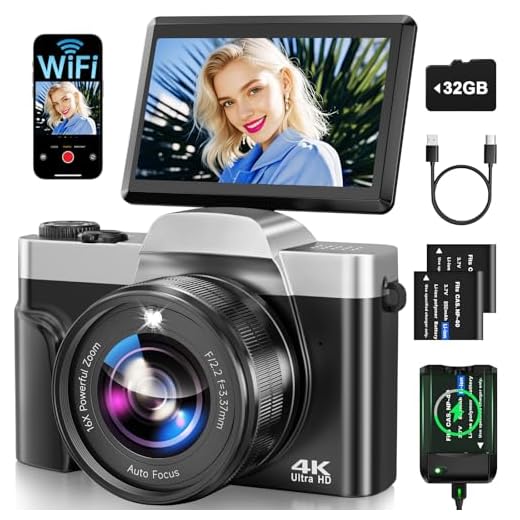
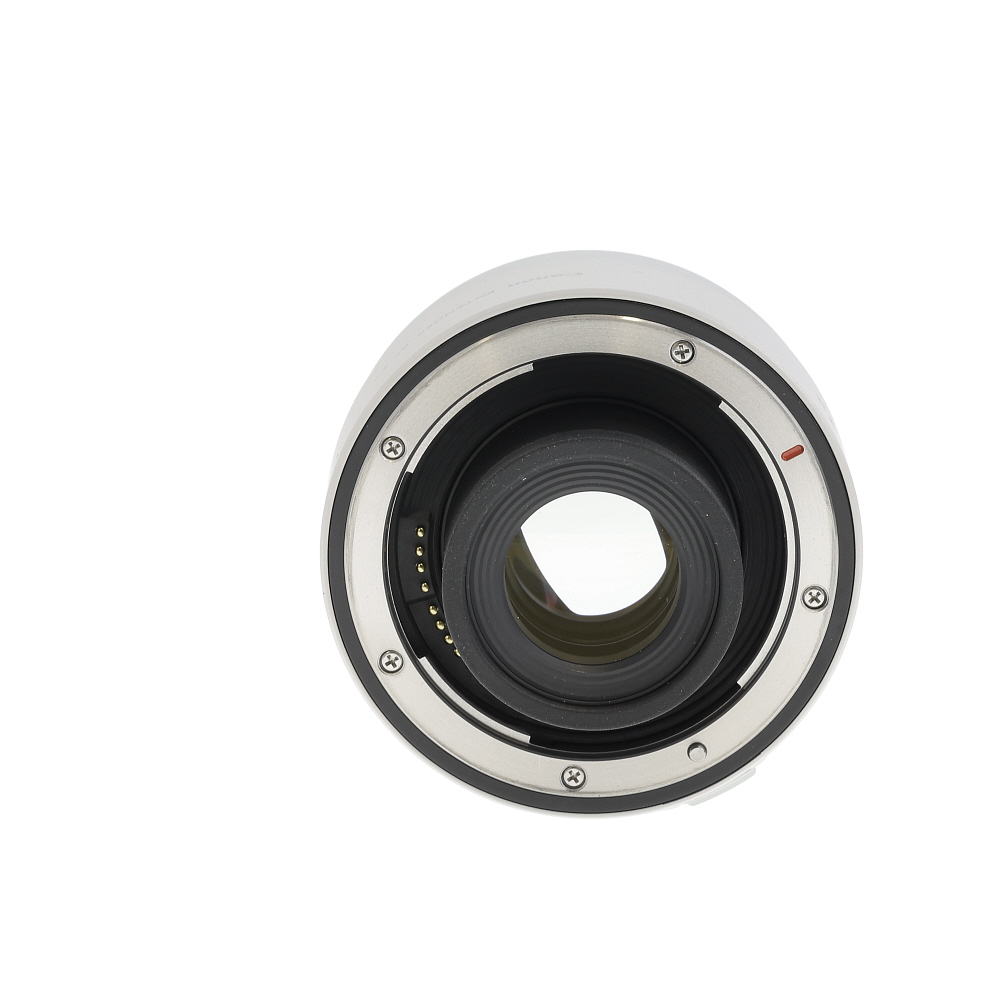
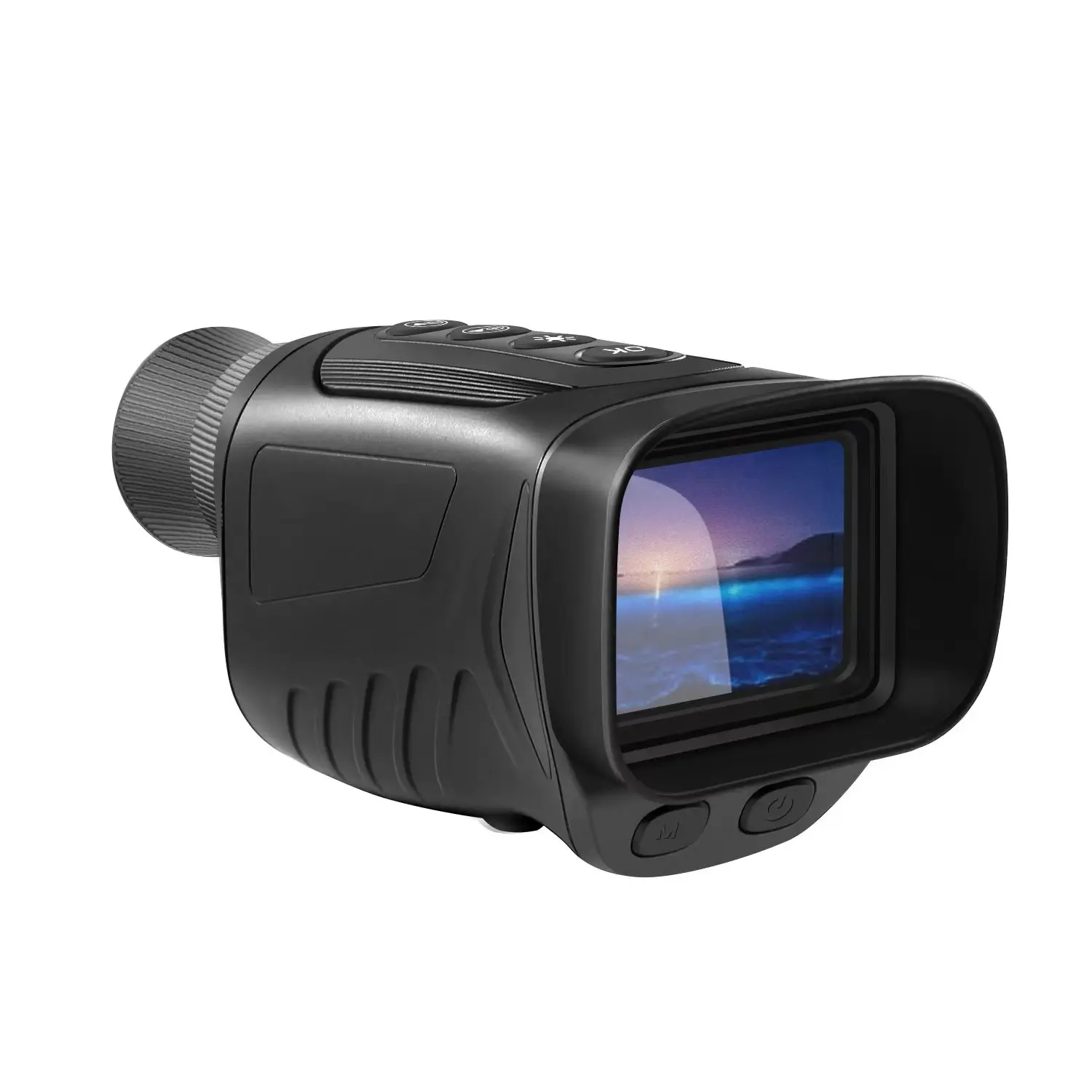

While traditional film cameras were once the gold standard for professional photographers, digital cameras have come a long way in terms of quality and capabilities. With the advancement of technology, many digital cameras now offer high-resolution sensors, advanced autofocus systems, and a wide range of customizable settings that rival those of traditional film cameras.
However, whether or not a digital camera can be used for professional pictures ultimately depends on the skill of the photographer and the specific requirements of the project. In the hands of a talented photographer who understands how to harness its capabilities, a digital camera can produce professional-quality images that meet the highest standards.
Is a Digital Camera Suitable for Professional Photography?
Many professional photographers use digital cameras to capture high-quality images for a variety of purposes. With advancements in technology, digital cameras have become increasingly capable of producing stunning results that rival those of traditional film cameras.
Benefits of Using a Digital Camera for Professional Photography:
- Instant feedback: Digital cameras allow photographers to review images immediately, making it easier to adjust settings and ensure they get the perfect shot.
- Flexibility: Digital cameras offer a wide range of settings and options, allowing photographers to customize their shots to meet their specific needs.
- Post-processing capabilities: Digital images can be easily edited and enhanced using software tools, giving photographers more control over the final result.
Considerations for Using a Digital Camera for Professional Photography:
- Image quality: While modern digital cameras can produce high-resolution images, some professionals still prefer the unique look and feel of film photography.
- Cost: Professional-grade digital cameras can be expensive, but the convenience and versatility they offer may outweigh the initial investment.
- Technical skill: Using a digital camera effectively requires knowledge of photography techniques and camera settings to achieve the best results.
In conclusion, a digital camera can be a suitable tool for professional photography, offering a range of benefits and capabilities that can help photographers capture stunning images. Ultimately, the choice between digital and film photography comes down to personal preference and the specific requirements of each project.
Benefits of Using a Digital Camera for Professional Photography
1. Instant Preview: With a digital camera, you can instantly preview the photos you have taken on the camera’s LCD screen. This allows you to make quick adjustments to composition, exposure, and other settings to ensure you get the perfect shot.

2. Easy Editing: Digital photos can be easily edited using software like Adobe Photoshop or Lightroom. This gives you the flexibility to enhance colors, adjust exposure, crop images, and make other modifications to achieve the desired look.
3. Cost-effective: While the initial investment in a digital camera and accessories may be higher than film cameras, digital photography is more cost-effective in the long run. You can take a large number of photos without worrying about the cost of film and development.
4. Storage and Sharing: Digital photos can be stored on memory cards, hard drives, or cloud storage, making it easy to organize and access your images. You can also share your photos online with clients, colleagues, or on social media platforms with ease.
5. High Resolution: Digital cameras offer high-resolution images, allowing you to capture fine details and produce large prints without losing quality. This is essential for professional photographers who need to deliver high-quality images to their clients.
Factors to Consider Before Using a Digital Camera for Professional Photography
When considering using a digital camera for professional photography, there are several important factors to take into account:
1. Camera Quality: Ensure that the digital camera you choose has a high resolution and quality sensor to capture detailed images suitable for professional use.
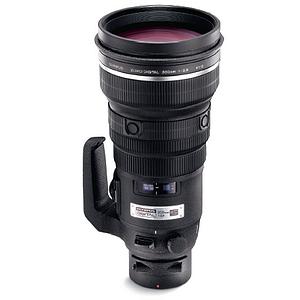
2. Lens Compatibility: Check if the camera supports interchangeable lenses, as different lenses can greatly impact the quality and versatility of your photos.
3. Manual Controls: Look for a camera that offers manual control options such as aperture, shutter speed, and ISO settings to have more creative control over your shots.
4. File Format: Make sure the camera can shoot in RAW format, which preserves more image data and allows for better post-processing and editing.
5. Battery Life: Consider the battery life of the camera, especially for extended professional shoots, to avoid running out of power at crucial moments.

6. Ergonomics and Handling: Test the camera’s ergonomics and how comfortable it is to hold and operate for long periods, as this can affect your shooting experience.
7. Brand Reputation: Research the reputation of the camera brand and model you are considering, as well as customer reviews, to ensure reliability and support for professional use.
By carefully considering these factors, you can make an informed decision on whether a digital camera is suitable for your professional photography needs.
Quality of Images Captured by a Digital Camera
When it comes to using a digital camera for professional pictures, the quality of the images captured is a crucial factor to consider. Digital cameras have come a long way in terms of image quality, thanks to advancements in technology.
Resolution
One of the key factors that determine the quality of images captured by a digital camera is the resolution. Higher resolution cameras are capable of capturing more detail in an image, resulting in sharper and clearer photos. Professional photographers often opt for digital cameras with higher resolution to ensure the best quality for their work.
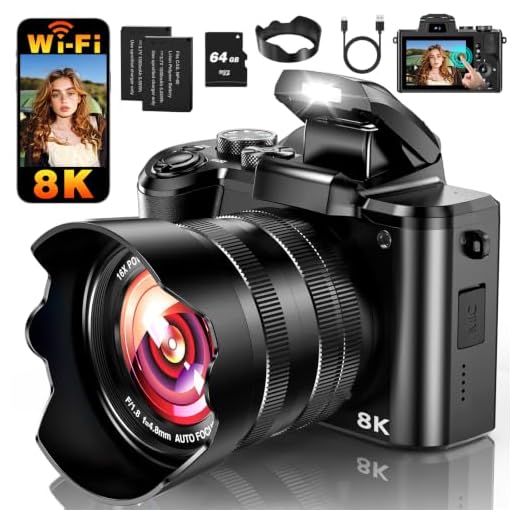
Image Sensor
Another important component that affects image quality is the image sensor of the digital camera. The size and quality of the sensor play a significant role in determining the overall image quality. Cameras with larger sensors tend to perform better in low light conditions and produce images with less noise.
Comparing Digital Cameras to Traditional Film Cameras
When it comes to photography, the choice between using a digital camera or a traditional film camera can be a tough one. Both types of cameras have their own unique advantages and disadvantages, so it’s important to understand the differences before making a decision.
Resolution and Image Quality
One of the biggest advantages of digital cameras is their ability to capture high-resolution images. Digital cameras can produce sharp, clear images with vibrant colors, making them ideal for professional photography. On the other hand, traditional film cameras can also produce high-quality images, but the resolution is limited by the type of film used.
Convenience and Cost
Digital cameras offer the convenience of instant gratification – you can view and edit your photos immediately after taking them. They also eliminate the need for film and processing costs, saving you money in the long run. Traditional film cameras require you to buy film and pay for processing, which can add up over time.
- Digital cameras: Instant viewing and editing, no film or processing costs
- Traditional film cameras: Requires film and processing costs
In conclusion, both digital cameras and traditional film cameras have their own advantages and disadvantages. Ultimately, the choice between the two will depend on your personal preferences and photography needs.
Features to Look for in a Digital Camera for Professional Photography
When choosing a digital camera for professional photography, there are several key features to consider to ensure you get the best results. Here are some important factors to look for:
1. Image Quality:
One of the most crucial aspects of a digital camera for professional photography is its image quality. Look for a camera with a high resolution sensor, low noise levels, and good dynamic range to capture sharp, detailed images with accurate colors.
2. Lens Compatibility:
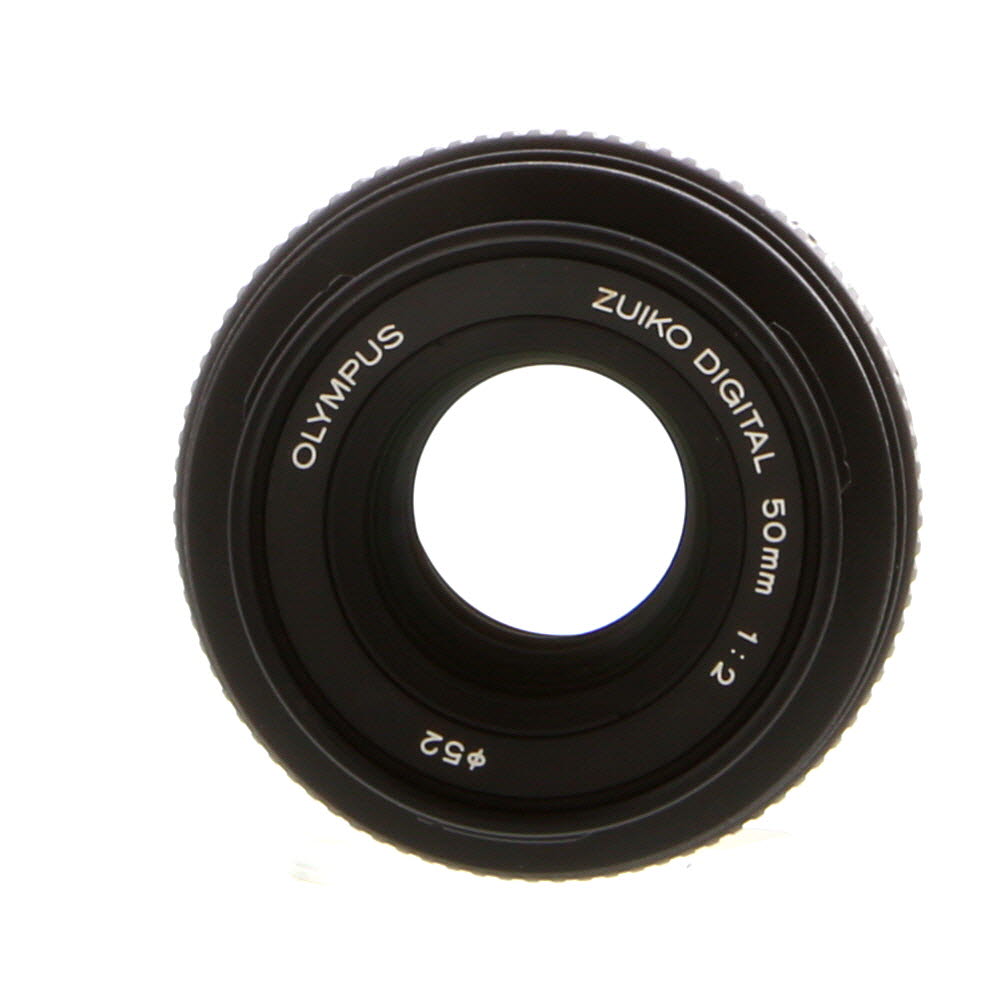
Having the option to use different lenses can greatly enhance your photography. Make sure the camera you choose has a wide range of compatible lenses available, including prime lenses, zoom lenses, and specialty lenses for various shooting situations.
- 3. Manual Controls:
- A professional digital camera should offer extensive manual controls, allowing you to adjust settings such as aperture, shutter speed, ISO, and white balance to achieve the desired look for your images.
By considering these features when selecting a digital camera for professional photography, you can ensure that you have the tools necessary to capture stunning photos that meet the demands of your clients.
Challenges of Using a Digital Camera for Professional Photography
While digital cameras have revolutionized the world of photography, there are still some challenges that professionals may face when using them for professional work.

| High Dynamic Range | Digital cameras may struggle with capturing a high dynamic range, leading to loss of detail in highlights and shadows. |
| Noise in Low Light | In low light conditions, digital cameras can produce noise in images, affecting image quality. |
| Limited Depth of Field | Some digital cameras may have limited depth of field control compared to traditional film cameras, impacting creative choices. |
| Color Accuracy | Ensuring accurate color reproduction can be a challenge with digital cameras, requiring careful calibration. |
| Resolution and Detail | While digital cameras offer high resolution, capturing fine detail and texture can still be a challenge in certain situations. |
Despite these challenges, digital cameras have advanced significantly and can produce professional-quality images with proper technique and equipment.
Tips for Getting Professional Results with a Digital Camera
1. Use Manual Mode: Experiment with manual settings to have full control over your camera’s aperture, shutter speed, and ISO.
2. Understand Lighting: Pay attention to lighting conditions and adjust your settings accordingly to achieve the desired effect.
3. Composition Matters: Frame your shots carefully, using the rule of thirds and leading lines to create visually appealing images.
4. Invest in Lenses: Consider investing in high-quality lenses to improve the sharpness and clarity of your photos.

5. Post-Processing: Use editing software to fine-tune your images and enhance colors, contrast, and sharpness.
6. Practice, Practice, Practice: The more you shoot, the better you’ll get. Experiment with different techniques and subjects to improve your skills.
Popular Digital Cameras Used by Professional Photographers
Professional photographers often rely on high-quality digital cameras to capture stunning images. Here are some popular digital cameras used by professionals:
1. Canon EOS 5D Mark IV: Known for its exceptional image quality and performance, this camera is a favorite among photographers for its versatility and reliability.
2. Nikon D850: With a high-resolution sensor and advanced features, the Nikon D850 is a top choice for professionals looking for superb image quality.
3. Sony Alpha a7 III: This mirrorless camera offers impressive low-light performance and fast autofocus, making it a popular choice for professional photographers.
4. Fujifilm X-T3: Loved for its film simulation modes and compact design, the Fujifilm X-T3 is a favorite among photographers who value image quality and style.
These are just a few examples of the many digital cameras used by professional photographers to capture stunning images for their clients.
FAQ
Can a digital camera be used for professional pictures?
Yes, digital cameras can definitely be used for professional pictures. Many professional photographers use high-quality digital cameras for their work as they offer great flexibility, control over settings, and produce high-resolution images.
What are the advantages of using a digital camera for professional photography?
One of the main advantages of using a digital camera for professional photography is the ability to instantly review and retake photos if needed. Digital cameras also allow for easy editing and manipulation of images, as well as the ability to shoot in various formats and settings to achieve the desired results.
Are there any limitations to using a digital camera for professional pictures?
While digital cameras are great for professional photography, they do have some limitations compared to traditional film cameras. Some photographers argue that film cameras produce a unique aesthetic that digital cameras can’t fully replicate. Additionally, digital cameras may have limitations in terms of dynamic range and color reproduction in certain situations.



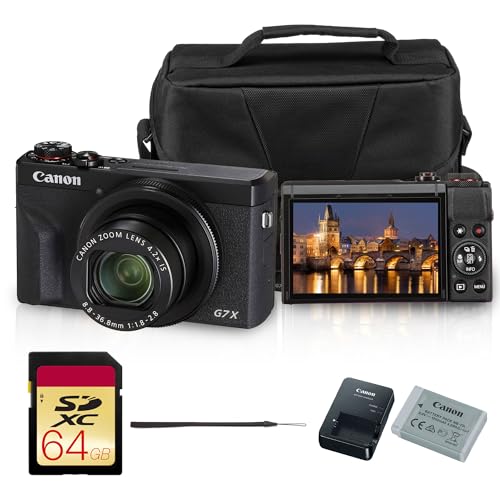
The article mentions RAW format as important for editing. Can anyone explain why shooting in RAW is better than JPEG for professional work?
Shooting in RAW is advantageous because it captures all the data from the sensor, allowing for greater flexibility in post-processing. You can adjust exposure, color balance, and more without sacrificing quality, unlike JPEG files which compress data and can lose detail.
I transitioned to digital last year and I've found the instant feedback to be a game changer for my nature photography. I can take a shot, check the exposure, and adjust on the fly. It saves a lot of time during shoots, especially when you're working with changing light conditions. However, I miss the depth of color film sometimes.