
 Carmen J. Moore

A polarizing lens is a valuable tool for photographers looking to control reflections, enhance colors, and reduce glare in their images. But can you use a polarizing lens on a digital camera?
The short answer is yes, you can use a polarizing lens on a digital camera. In fact, many photographers find that a polarizing filter is just as effective on a digital camera as it is on a traditional film camera.
By attaching a polarizing filter to your digital camera lens, you can adjust the angle of the filter to control the amount of polarization in your shots, resulting in richer colors, reduced glare, and more detail in your images.
Is it possible to use a polarizing lens on a digital camera?
Yes, it is possible to use a polarizing lens on a digital camera. A polarizing lens can be attached to the front of a camera lens to reduce glare and reflections in photos, enhance colors, and improve overall image quality. It works by filtering out polarized light, allowing photographers to capture more vivid and saturated images.
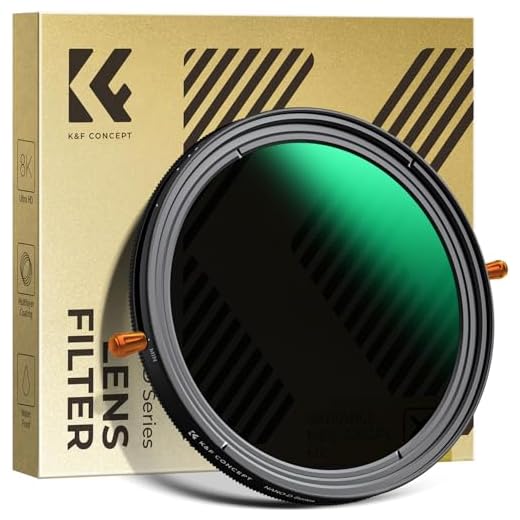

Benefits of using a polarizing lens:
- Reduces glare and reflections from surfaces like water, glass, and shiny objects
- Enhances colors and contrast in photos
- Improves overall image quality by reducing unwanted light
Understanding the benefits of a polarizing lens
A polarizing lens is a valuable tool for photographers looking to enhance the quality of their images. By reducing glare and reflections, a polarizing lens can help capture clearer and more vibrant photos in a variety of lighting conditions.
One of the key benefits of using a polarizing lens is its ability to enhance colors and contrast in outdoor photography. By cutting through the haze and glare caused by sunlight reflecting off surfaces such as water or glass, a polarizing lens can help bring out the true colors of a scene and make details pop.
In addition to improving color saturation, a polarizing lens can also help reduce unwanted reflections in your photos. This can be especially useful when shooting through windows or photographing landscapes with bodies of water, where reflections can obscure the view and detract from the overall composition.
Furthermore, a polarizing lens can also help improve the overall sharpness and clarity of your images by reducing atmospheric haze and increasing contrast. This can result in more dynamic and impactful photos that stand out from the crowd.
Overall, investing in a polarizing lens can be a worthwhile addition to your photography gear, allowing you to capture stunning images with enhanced colors, reduced glare, and improved clarity. Whether you’re shooting landscapes, portraits, or any other type of photography, a polarizing lens can help take your images to the next level.
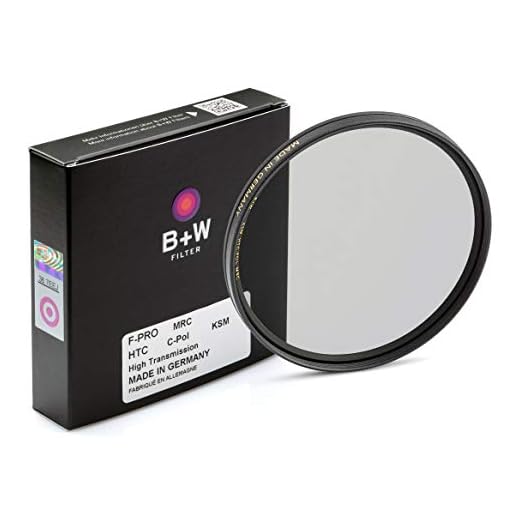
Compatibility with different digital cameras
When it comes to using a polarizing lens on a digital camera, compatibility is an important factor to consider. Not all digital cameras are equipped to accommodate a polarizing filter, so it’s essential to check the specifications of your camera before making a purchase.
Many modern digital cameras, especially DSLRs and mirrorless cameras, come with a filter thread on the front of the lens that allows you to easily attach a polarizing filter. This makes it convenient for photographers to enhance their images by reducing glare and reflections, deepening the colors, and improving overall image quality.
However, compact digital cameras or smartphones may not have a filter thread or the necessary lens attachment to use a polarizing filter. In such cases, you may need to explore alternative options or accessories to achieve similar effects.
Before investing in a polarizing filter, make sure to research whether your digital camera is compatible and can effectively support the use of this accessory. This will help you make the most of your photography equipment and achieve the desired results in your images.
Proper use and settings for optimal results
When using a polarizing lens on a digital camera, it’s important to follow certain guidelines to achieve the best results:
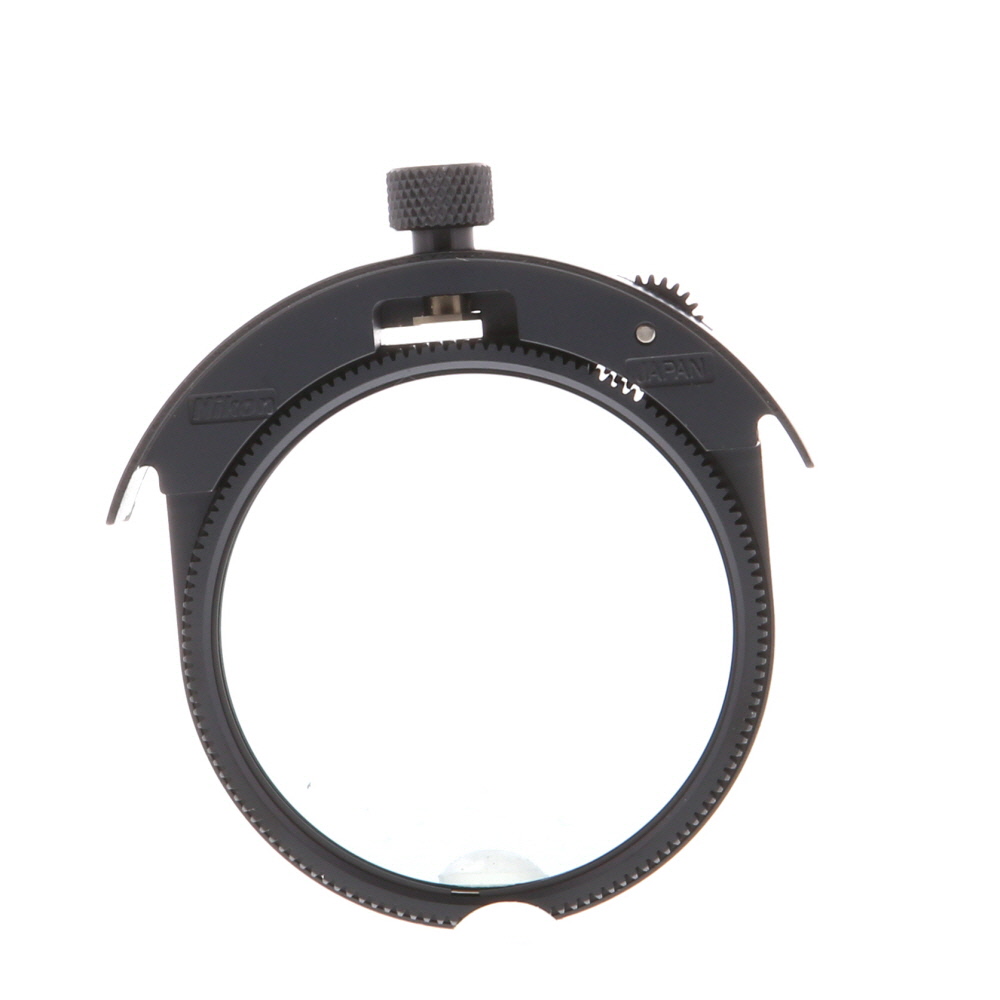
1. Angle the lens properly: Rotate the polarizing filter until you achieve the desired effect. This is typically done by adjusting the angle of the filter relative to the light source.
2. Adjust the intensity of the effect: Depending on the scene and the level of polarization you want, you may need to adjust the filter to increase or decrease the effect. Experiment with different settings to find the optimal one.
3. Be mindful of reflections: Polarizing filters are great for reducing reflections on shiny surfaces like water or glass. Make sure to position the filter correctly to minimize unwanted reflections in your photos.
4. Use a tripod: To avoid camera shake and ensure sharp images, it’s recommended to use a tripod when using a polarizing filter, especially in low light conditions.
5. Check your digital-cameras/how-to-use-your-digital-camera-settings/" class="sa-auto-link" data-sa-rule="23505" title="camera settings">camera settings: Depending on the lighting conditions and the effect you want to achieve, you may need to adjust your camera settings such as ISO, aperture, and shutter speed to get the best results.
By following these tips and guidelines, you can make the most out of your polarizing lens and capture stunning images with your digital camera.
Factors to consider before using a polarizing lens
Before using a polarizing lens on your digital camera, there are several factors to consider:
1. Compatibility: Ensure that the polarizing lens is compatible with your camera model to avoid any issues with fitting or functionality.
2. Quality: Invest in a high-quality polarizing lens to ensure optimal performance and image quality.
3. Purpose: Determine the specific purpose of using the polarizing lens, whether it’s to reduce glare, enhance colors, or improve contrast.

4. Lighting conditions: Consider the lighting conditions in which you will be shooting to maximize the benefits of the polarizing lens.
5. Settings: Familiarize yourself with the settings and adjustments needed when using a polarizing lens to achieve the desired effects.
By taking these factors into account, you can effectively use a polarizing lens on your digital camera to enhance your photography experience.
Tips and tricks for using a polarizing lens effectively
1. Adjust the angle: Rotate the polarizing lens to find the optimal angle for reducing glare and reflections. Experiment with different angles to achieve the desired effect.
2. Enhance colors: A polarizing lens can deepen the colors in your photos by reducing the intensity of scattered light. This can make skies appear bluer and foliage appear greener.
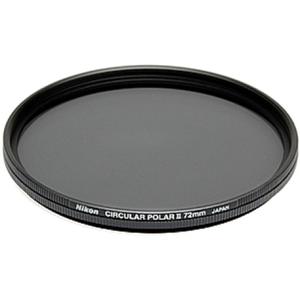
3. Use in bright sunlight: Polarizing lenses work best in bright sunlight, so make sure to utilize them when shooting outdoors on sunny days for maximum impact.
4. Avoid using with wide-angle lenses: Be cautious when using a polarizing lens with wide-angle lenses as it can lead to uneven polarization and affect the overall quality of the image.
5. Experiment and practice: Practice using the polarizing lens in different scenarios to master its effects and improve your photography skills. The more you experiment, the better you’ll understand how to use it effectively.
FAQ
Can I use a polarizing lens on my digital camera?
Yes, you can use a polarizing lens on a digital camera. A polarizing lens helps reduce glare and reflections from surfaces like water or glass, resulting in more vibrant and saturated colors in your photos.
What are the benefits of using a polarizing lens on a digital camera?
Using a polarizing lens on a digital camera can help enhance the colors in your photos by reducing glare and reflections. It can also improve the contrast in your images, making the skies appear bluer and the clouds more defined. Additionally, a polarizing lens can be useful when shooting through windows or water surfaces, allowing you to capture clearer and more detailed images.

How do I attach a polarizing lens to my digital camera?
To attach a polarizing lens to your digital camera, you will need a filter adapter that matches the size of your camera lens. Simply screw the filter adapter onto your camera lens, then attach the polarizing lens to the adapter by twisting it on. Make sure to adjust the polarization of the lens to achieve the desired effect by rotating the outer ring of the lens until you see the desired result in the viewfinder or LCD screen.



I’ve seen some reviews comparing circular versus linear polarizers. Does anyone have insights on which is better for digital cameras? I’m leaning towards circular but would love to hear opinions.
Circular polarizers are definitely the way to go for digital cameras! They allow for autofocus and metering to work properly, which is crucial when shooting.
Absolutely, circular polarizers are recommended for digital cameras as they allow for full functionality without interfering with the camera’s light metering and autofocus.
Can anyone explain how exactly a polarizing lens enhances color in photos? I’m curious if it works differently for various types of photography.
I read that polarizing lenses might not work well with wide-angle lenses. Can anyone confirm this? What issues should I expect?