
 Carmen J. Moore

When it comes to digital cameras, one of the key components that determine the compatibility of lenses is the mount. The mount is the interface that connects the camera body to the lens, allowing them to work together seamlessly. However, not all mounts are the same, and understanding the differences between them is crucial for photographers looking to expand their lens collection.
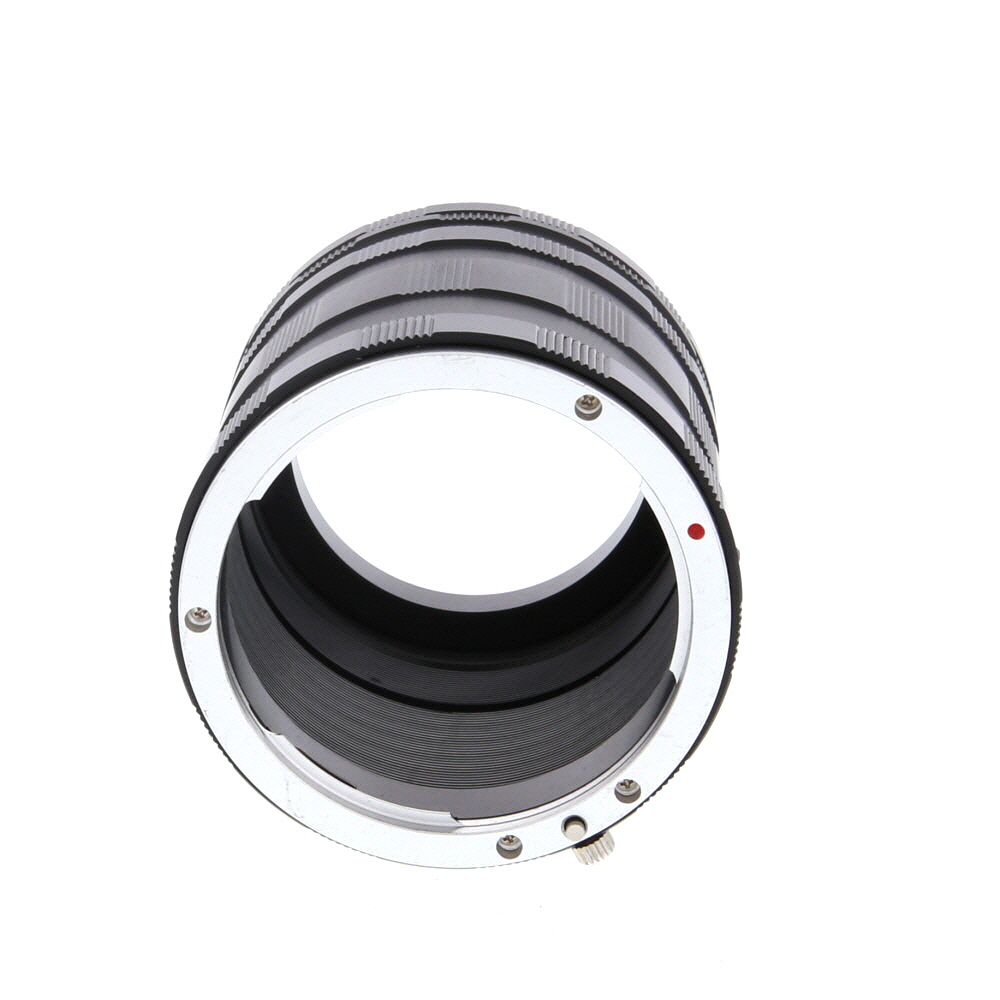

There are various types of mounts used in digital cameras, each with its own specifications and limitations. Some popular mounts include Canon EF, Nikon F, Sony E, and Micro Four Thirds. While some mounts are specific to a particular brand, others are more universal and can be used across different camera brands.
It’s important to note that not all mounts are interchangeable, and using a lens with the wrong mount can damage both the lens and the camera. Before purchasing a new lens, it’s essential to ensure that it is compatible with your camera’s mount to avoid any compatibility issues. Additionally, adapters are available that allow you to use lenses with different mounts, but they may impact the performance and functionality of the lens.
Are Digital Camera Mounts Uniform?
When it comes to digital camera mounts, not all mounts are the same. Different camera brands and models may use different types of mounts, such as Canon’s EF mount or Nikon’s F-mount. These mounts are designed to be compatible with specific lenses and accessories made by the same manufacturer.
While some mounts are standardized, like the Micro Four Thirds mount used by several camera manufacturers, there are still variations in the design and functionality of mounts across different brands. It’s important to ensure compatibility between your camera body and lenses by using the appropriate mount.
Additionally, third-party manufacturers may produce adapters that allow you to use lenses with different mounts on your camera body. However, using adapters may affect the quality of your images or limit certain functionalities of your camera.

Therefore, it’s essential to research and understand the specific mounts and compatibility of your digital camera before investing in lenses or accessories to ensure optimal performance and functionality.
Understanding Camera Mount Compatibility
When it comes to digital cameras, not all mounts are the same. Understanding camera mount compatibility is crucial for ensuring that your lenses and accessories are compatible with your camera body. Camera mounts refer to the mechanism that connects the lens to the camera body.
Types of Camera Mounts
There are various types of camera mounts used by different camera manufacturers. Some popular camera mounts include Canon EF, Nikon F, Sony E, and Micro Four Thirds. Each mount has its own specifications and features, making them unique to their respective camera systems.
It is important to check the camera mount type of your camera body before purchasing lenses or accessories to ensure they are compatible. Using incompatible mounts can result in damage to your equipment and may prevent them from functioning properly.
Types of Camera Mounts
There are several types of camera mounts used in digital cameras, each with its own characteristics and compatibility:
1. Canon EF Mount: Canon EF mounts are used in Canon DSLR cameras and are known for their high-quality lenses and wide range of compatible accessories.
2. Nikon F Mount: Nikon F mounts are commonly found in Nikon DSLR cameras and have a long history of compatibility with various lenses and accessories.
3. Sony E-Mount: Sony E-mounts are used in Sony mirrorless cameras and are known for their compact size and versatility.
4. Micro Four Thirds Mount: Micro Four Thirds mounts are used in cameras from Panasonic and Olympus, offering a smaller sensor size but a wide range of lenses and accessories.
5. Fujifilm X-Mount: Fujifilm X-mounts are used in Fujifilm mirrorless cameras and are known for their high-quality lenses and retro design.
Each camera mount has its own set of advantages and limitations, so it’s important to choose the one that best fits your photography needs.
Key Differences in Camera Mounts
Camera mounts vary significantly between different camera brands and models. Some of the key differences in camera mounts include:
Mount Type: Different camera brands use different mount types, such as Canon’s EF mount, Nikon’s F mount, Sony’s E mount, and Micro Four Thirds mount. Each mount has its own unique specifications and compatibility with lenses.
Compatibility: Not all lenses are compatible with all camera mounts. It’s essential to ensure that the lens you choose is compatible with your camera’s mount to achieve optimal performance.
Size and Weight: Camera mounts can vary in size and weight, impacting the overall balance and ergonomics of the camera-lens combination. Some mounts are bulkier and heavier than others, affecting portability and handling.

Lens Selection: The availability of lenses for a specific camera mount can vary. Some mounts have a wider range of compatible lenses, including third-party options, while others may have a more limited selection.
Electronic Communication: Some camera mounts allow for electronic communication between the camera body and lens, enabling features like autofocus and image stabilization. The level of electronic communication varies between mounts.
Adaptability: Some camera mounts are more adaptable than others, allowing for the use of lens adapters to mount lenses from different systems. However, using adapters may impact the performance and functionality of the lens-camera combination.
Understanding the key differences in camera mounts can help you make informed decisions when selecting lenses and accessories for your camera system.
Considerations When Choosing a Camera Mount
When selecting a camera mount for your digital camera, there are several important considerations to keep in mind:
Compatibility
Make sure the mount you choose is compatible with your specific camera model. Different cameras may require different types of mounts, so it’s essential to check compatibility before making a purchase.
Stability
Consider the stability of the mount, especially if you plan to use your camera for long periods or in challenging shooting conditions. A stable mount can help prevent camera shake and ensure sharp images.
By taking these factors into account, you can select a camera mount that meets your needs and enhances your photography experience.
Adapting Lenses to Different Camera Mounts
Not all mounts are the same on digital cameras, which can be a challenge when trying to use lenses across different camera brands. However, there are adapters available that allow you to mount lenses from one brand to a different camera body. These adapters come in various designs and materials, but the most common ones are made of metal and have a secure locking mechanism to ensure the lens stays in place.
When using an adapter, it’s important to consider the compatibility of the lens with the camera body. Some adapters may not support certain features like autofocus or aperture control, so you may need to adjust settings manually. Additionally, using an adapter may affect the image quality or focal length of the lens, so it’s essential to test the combination before critical shooting.
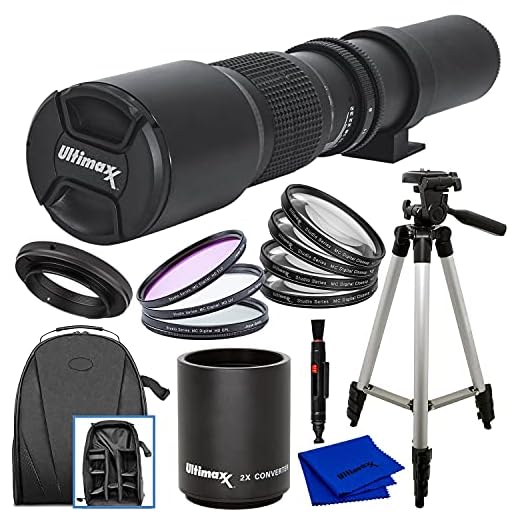
Overall, adapting lenses to different camera mounts can expand your lens options and creativity, allowing you to explore new perspectives and styles with your photography.
Future Trends in Camera Mount Technology
As technology continues to evolve, camera mount systems are also experiencing advancements to meet the demands of modern photographers and videographers. Here are some key future trends in camera mount technology:
1. Enhanced Compatibility
Future camera mounts are likely to focus on enhanced compatibility with a wide range of lenses and accessories. This will offer photographers more flexibility and versatility in their shooting setups.
2. Improved Stability and Durability
Manufacturers are working on developing camera mounts that provide better stability and durability, especially for heavy-duty use. This will ensure that the camera remains securely attached during intense shooting conditions.
| Trend | Description |
|---|---|
| Integration with Smart Devices | Camera mounts may incorporate smart features to connect with smartphones or tablets for remote control and monitoring. |
| Lightweight Materials | Future mounts may utilize lightweight materials such as carbon fiber to reduce overall weight without compromising strength. |
FAQ
Are all mounts the same on digital cameras?
No, not all mounts are the same on digital cameras. Different camera manufacturers use different mount systems for their lenses, such as Canon’s EF mount, Nikon’s F-mount, Sony’s E-mount, etc. It’s important to ensure that the lens you are purchasing is compatible with the mount on your camera.
What should I consider when buying a new lens for my digital camera?
When buying a new lens for your digital camera, you should consider the mount compatibility, focal length, aperture, and image stabilization. Make sure the lens you choose is compatible with your camera’s mount, and consider the type of photography you will be doing to select the appropriate focal length and aperture.
Can I use lenses from one brand on a different brand of camera?
It is possible to use lenses from one brand on a different brand of camera with the use of lens mount adapters. However, this may result in limitations in functionality, autofocus capabilities, and image quality. It is generally recommended to use lenses designed for the specific camera brand to ensure optimal performance.
What is the difference between a full-frame and a crop sensor camera?
A full-frame camera has a sensor that is equivalent in size to a frame of 35mm film, while a crop sensor camera has a smaller sensor. Full-frame cameras typically produce higher-quality images with better low-light performance and shallower depth of field. Crop sensor cameras have a narrower field of view and may require different focal lengths to achieve the same framing as a full-frame camera.
How can I tell if a lens is compatible with my camera’s mount?
To determine if a lens is compatible with your camera’s mount, you can check the specifications of both the lens and the camera. Look for information on the lens mount type and ensure that it matches the mount on your camera. You can also consult the manufacturer’s website or contact customer support for assistance.


How do I know which mount my camera uses? I've seen different types mentioned but I'm not sure where to find this info.
You can usually find your camera's mount type in the manual or on the manufacturer's website. If you're still unsure, feel free to share your camera model here, and I can help you identify the mount.
I've used adapters for my Canon lenses on a Sony camera, but I noticed some autofocus issues. It worked fine for manual focus, though. Just be cautious with adapters; they can really change the experience. Also, investing in native lenses might be better in the long run unless you're on a budget.
Thanks for sharing your experience! I was considering using an adapter for my Nikon lenses on a Micro Four Thirds camera, but now I'm hesitant.
I switched from Nikon to Fujifilm, and honestly, the change in lens mounts was a hassle. I've learned the hard way to always check compatibility first!
I recently switched from a Nikon to a Sony E-mount camera. The difference in lens options is huge! Using adapters has been a mixed bag, though—sometimes they work well, but other times I lose autofocus.
I disagree that all mounts should be easily adaptable. Some brands intentionally design their mounts to be exclusive, and that can be frustrating for users looking to mix systems.
I’ve been wondering how I can use my Canon lenses on a Sony camera. Are adapters effective, or do they affect image quality?
Adapters can be effective, but they might limit certain functionalities like autofocus and image stabilization. It's essential to choose a high-quality adapter for the best results.
I’ve used an adapter from Canon to Sony, and it worked well for the most part. Just make sure to check if your adapter supports autofocus if you need that feature.
So, does using an adapter always limit the features of the lens? Like, will I lose image stabilization?