
 Carmen J. Moore

Mirrorless cameras have been gaining popularity among filmmakers in recent years, and for good reason. These compact and lightweight cameras offer a range of features that make them ideal for capturing high-quality video footage.
One of the main advantages of mirrorless cameras is their ability to shoot in 4K resolution, providing filmmakers with stunning visuals. Additionally, their interchangeable lenses allow for greater flexibility in capturing different styles and perspectives.
Another key benefit of mirrorless cameras is their silent operation, making them perfect for shooting in quiet environments without disturbing the scene. This feature is especially valuable for filmmakers working on projects that require a subtle touch.
Overall, mirrorless cameras are becoming the go-to choice for filmmakers looking to achieve professional results in a compact and versatile package. With their advanced technology and user-friendly design, it’s no wonder why filmmakers are increasingly turning to mirrorless cameras for their creative projects.

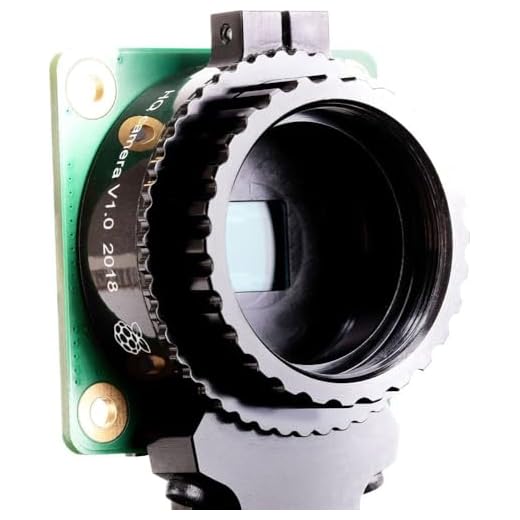
Benefits of Using Mirrorless Cameras for Filmmaking
1. Size and Weight: Mirrorless cameras are typically smaller and lighter than traditional DSLR cameras, making them easier to carry and handle, especially for long periods of time during filming.
2. Silent Shooting: Mirrorless cameras operate quietly, which is advantageous when shooting in quiet environments or when capturing audio simultaneously.
3. Autofocus Performance: Mirrorless cameras often have advanced autofocus systems that provide fast and accurate focusing, crucial for capturing moving subjects or achieving precise focus in video footage.
4. Electronic Viewfinder (EVF): Mirrorless cameras feature electronic viewfinders that offer a real-time preview of exposure, white balance, and depth of field adjustments, allowing filmmakers to make more informed decisions while shooting.
5. Lens Compatibility: Mirrorless cameras can adapt to a wide range of lenses, including DSLR lenses, cinema lenses, and vintage lenses, providing filmmakers with greater flexibility and creative options.
6. Video Features: Many mirrorless cameras offer advanced video recording capabilities, such as high-resolution 4K recording, high frame rates, and log profiles for better dynamic range, making them suitable for professional filmmaking.
Superior Image Quality
One of the key reasons filmmakers are opting for mirrorless cameras is the superior image quality they offer. Mirrorless cameras are equipped with larger sensors compared to traditional DSLR cameras, which results in better dynamic range, improved low-light performance, and higher resolution images. The absence of a mirror mechanism allows for more precise focusing and faster autofocus, leading to sharper and more detailed footage. Additionally, mirrorless cameras often have advanced image processing capabilities that enhance colors, reduce noise, and provide overall better image quality.
| Key Benefits: |
|
Compact and Lightweight Design
Mirrorless cameras are known for their compact and lightweight design, making them a popular choice for filmmakers who need to shoot on-the-go or in tight spaces. With their smaller size and weight compared to traditional DSLR cameras, mirrorless cameras are easier to handle and carry around, allowing filmmakers to capture footage more easily and comfortably.
Additionally, the compact design of mirrorless cameras makes them ideal for mounting on gimbals or drones, providing filmmakers with more flexibility in capturing dynamic shots. The lightweight nature of mirrorless cameras also reduces fatigue during long shooting sessions, making them a practical choice for filmmakers working on extended projects.
Versatility in Lens Options
One of the key advantages of mirrorless cameras is the wide range of lens options available. Mirrorless cameras can use a variety of lenses, including those from the camera manufacturer as well as third-party lenses. This versatility allows filmmakers to choose the best lens for each specific shot, whether they need a wide-angle lens for landscape shots or a telephoto lens for capturing distant subjects.
Additionally, many mirrorless cameras use interchangeable lens systems, allowing filmmakers to easily switch between different lenses to achieve different looks and effects. This flexibility in lens options gives filmmakers more creative control over their projects and allows them to experiment with different styles and techniques.
Advanced Autofocus Technology
One of the key reasons filmmakers are gravitating towards mirrorless cameras is the advanced autofocus technology they offer. Mirrorless cameras are equipped with sophisticated autofocus systems that allow for quick and accurate focusing, even in challenging shooting conditions. These systems typically include features such as eye detection, face detection, and subject tracking, which help ensure that the subject remains in focus throughout the shot.
Additionally, mirrorless cameras often offer a wide range of autofocus points spread across the frame, allowing filmmakers to easily select the desired focus point and create visually compelling compositions. This level of precision and control over focus is particularly beneficial for filmmakers who shoot in fast-paced or unpredictable situations, as it helps them capture sharp, well-focused footage with ease.
Silent Shooting Mode
Mirrorless cameras are often equipped with a silent shooting mode, which allows filmmakers to capture footage without the noise of a shutter mechanism. This is particularly useful when filming in quiet environments or when trying to remain discreet during a shoot. The silent shooting mode also eliminates the vibration caused by the mirror flipping up and down in traditional DSLR cameras, resulting in smoother footage and reducing the risk of camera shake.
Creative Freedom and Flexibility
One of the key reasons filmmakers are turning to mirrorless cameras is the creative freedom and flexibility they offer. Mirrorless cameras are typically smaller and lighter than traditional DSLR cameras, making them easier to handle and maneuver in tight spaces. This allows filmmakers to get unique angles and shots that may not have been possible with bulkier cameras.
Additionally, mirrorless cameras often come equipped with advanced features such as in-body image stabilization, fast autofocus systems, and high-quality video recording capabilities. These features give filmmakers the tools they need to unleash their creativity and capture stunning footage with ease.


