
 Carmen J. Moore

Streaming with a mirrorless camera has become increasingly popular in recent years, especially among content creators, gamers, and vloggers. The ability to produce high-quality live streams with a mirrorless camera offers a level of professionalism and visual appeal that traditional webcams often can’t match.
However, there is a common concern among users about whether streaming with a mirrorless camera can wear it out faster than normal use. Mirrorless cameras are not designed for continuous video streaming, and the constant use of the sensor and other components during long streaming sessions can potentially lead to overheating and increased wear and tear.
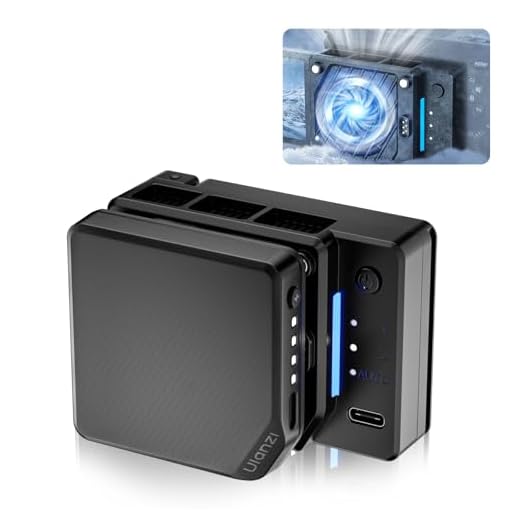


It’s important to consider factors such as the camera’s heat dissipation capabilities, sensor durability, and overall build quality when using a mirrorless camera for streaming. Taking breaks, monitoring temperatures, and following manufacturer guidelines for usage can help mitigate the risk of wearing out your camera prematurely.
Does streaming affect a mirrorless camera?
Streaming with a mirrorless camera can affect its lifespan and performance due to prolonged use and continuous operation. While mirrorless cameras are designed to handle extended shooting sessions, streaming involves constant video recording and data processing, which can put a strain on the camera’s components.
Factors such as overheating, sensor wear, and battery usage can impact the camera’s longevity when used for streaming. Continuous streaming may lead to increased sensor heat and potential damage, especially if the camera is not properly ventilated or cooled. Additionally, the constant readout and processing of data during streaming can wear out the camera’s sensor and processor over time.
To minimize the impact of streaming on a mirrorless camera, it is advisable to use external cooling solutions, take breaks during long streaming sessions, and avoid excessive exposure to high temperatures. Regular maintenance and proper care can help prolong the camera’s lifespan and ensure optimal performance when used for streaming purposes.
Streaming impact on camera lifespan
Streaming with a mirrorless camera can have an impact on its lifespan due to continuous use and potential overheating. The constant recording and processing of video data can put strain on the camera’s internal components, leading to wear and tear over time. Additionally, prolonged use can cause the camera to heat up, which may affect its performance and longevity.
To mitigate the impact on the camera’s lifespan, it is recommended to take breaks during streaming sessions to allow the camera to cool down. Using an external cooling system or fan can also help prevent overheating. Regular maintenance, such as cleaning the camera and keeping it dust-free, can also contribute to extending its lifespan.
Heat generation during streaming
When streaming with a mirrorless camera, heat generation can be a concern. Continuous usage of the camera for streaming can lead to an increase in temperature, especially if the camera is not properly ventilated or if it is being used in a hot environment.
Excessive heat can potentially affect the performance and lifespan of the camera, as it may cause components to degrade faster. It is important to monitor the camera’s temperature during streaming sessions and take breaks to allow it to cool down if necessary.
To mitigate heat generation, consider using an external cooling solution or a dummy battery adapter to reduce the strain on the camera’s internal components. Additionally, avoid placing the camera in direct sunlight or near sources of heat to prevent overheating.
Quality degradation over time
Over time, continuous streaming with a mirrorless camera can lead to quality degradation. The constant use of the camera’s sensor and other components can contribute to wear and tear, affecting image quality. The sensor may accumulate dust and debris, leading to spots on the image and decreased sharpness. Additionally, the camera’s electronics can degrade over time, impacting color accuracy and overall performance.
To prevent quality degradation, it is important to properly maintain your mirrorless camera. Regularly clean the sensor and lens to remove dust and debris. Avoid excessive use of the camera for extended periods without breaks to prevent overheating and stress on the components. Consider investing in a backup camera or rotating between multiple cameras to distribute the workload and prolong the lifespan of your equipment.
Benefits of using a mirrorless camera for streaming
When it comes to streaming content online, using a mirrorless camera can offer several advantages over traditional camera setups. Here are some benefits of using a mirrorless camera for streaming:
1. Compact and lightweight
One of the main advantages of mirrorless cameras is their compact and lightweight design. This makes them ideal for streaming setups where space may be limited or if you need to move your camera around frequently. Their smaller size also makes them easier to mount on tripods or other supports.
2. High-quality video output
Mirrorless cameras are known for their high-quality video output. They often feature larger sensors and better image processing capabilities, resulting in clearer and more detailed video streams. This can help elevate the production value of your streams and make them more engaging for your audience.
Recommended settings for streaming with a mirrorless camera
Streaming with a mirrorless camera can provide high-quality video output for your broadcasts. To ensure the best results, here are some recommended settings:
Resolution and Frame Rate
Set your camera to a resolution and frame rate that is suitable for streaming. Common options include 1080p at 30fps or 720p at 60fps. Choose the setting that works best for your streaming platform and internet connection speed.
Exposure and White Balance
Adjust the exposure and white balance settings to ensure your video looks clear and well-lit. Use manual settings if possible to avoid fluctuations in brightness or color temperature during your stream.
Tip: Consider using a dedicated streaming software to fine-tune your camera settings and optimize the video output for your audience.
How to prevent wear and tear while streaming
Streaming with a mirrorless camera can indeed put some strain on the device, but there are ways to prevent wear and tear and prolong its lifespan. Here are some tips:
1. Use a dedicated power source
Instead of relying on the camera’s battery, consider using a dedicated power source or a dummy battery to avoid excessive battery drain and prolong the camera’s overall life.
2. Keep the camera cool
Overheating can accelerate wear and tear on the camera components. Ensure proper ventilation and avoid streaming in hot environments to prevent overheating and potential damage.
Comparison of mirrorless and DSLR cameras for streaming
When it comes to streaming, both mirrorless and DSLR cameras have their own advantages and disadvantages. Mirrorless cameras are known for their compact size, lightweight design, and silent operation, making them ideal for streaming setups where space and noise are a concern. On the other hand, DSLR cameras typically have larger sensors and longer battery life, which can be beneficial for extended streaming sessions.
One key difference between mirrorless and DSLR cameras is the autofocus system. Mirrorless cameras often feature faster and more accurate autofocus, which can be crucial for maintaining sharp focus during a live stream. DSLR cameras, on the other hand, may have slightly slower autofocus performance, but they are still capable of delivering high-quality results.
In terms of video quality, both mirrorless and DSLR cameras are capable of capturing stunning footage in high resolution. Mirrorless cameras typically offer 4K video recording, while some DSLR models may be limited to 1080p. However, the actual video quality also depends on the sensor size, lens quality, and other factors rather than just the camera type.
Overall, the choice between a mirrorless and DSLR camera for streaming comes down to personal preference, budget, and specific streaming needs. Both types of cameras have their own strengths and weaknesses, so it’s important to consider all factors before making a decision.
Future trends in streaming technology
As technology continues to evolve rapidly, the future of streaming is poised for exciting developments. Here are some key trends to watch out for:
1. 5G and faster internet speeds
With the rollout of 5G networks and improvements in internet infrastructure, streaming will become even more seamless and high-quality. Faster internet speeds will allow for higher resolution streaming, reduced buffering times, and improved overall user experience.
2. Virtual and augmented reality integration
Streaming platforms are exploring ways to integrate virtual and augmented reality technologies to enhance the viewing experience. Users may soon be able to immerse themselves in 360-degree videos or interactive VR streams, creating a more engaging and immersive streaming experience.


I've been using my mirrorless camera for streaming for a few months. I noticed that if I keep it in a well-ventilated area and use a fan, it doesn't overheat as much. I also try to rotate between my camera and a webcam to give it a break. Has anyone else tried this?
I switched from a webcam to a mirrorless camera for my streams, and the difference in video quality is amazing! However, I did have overheating issues during long sessions. Now I always use a fan and take breaks every hour, which helps a lot.
I've used both mirrorless and DSLR for streaming. The mirrorless camera is definitely more portable, but I find the DSLR holds up better over long periods. What do you think? Is the convenience of mirrorless worth the potential wear?
I'm considering using my mirrorless camera for streaming, but I'm worried about wear and tear. How long can I stream before it starts to cause damage?
I've streamed for a couple of hours, and my camera seems fine, but I've noticed it gets warm. I usually take breaks just to be safe.
Using a dummy battery is a great tip! It really helps to avoid battery drain during long streams.
I heard that DSLRs are better for streaming than mirrorless due to battery life. Is this true? What are the main reasons to pick a mirrorless camera over a DSLR for streaming?
Great article! Can you clarify if using a dummy battery really helps with the wear on the camera versus just using the regular battery?
Yes, using a dummy battery keeps the camera powered without draining the internal battery, which helps in prolonging its lifespan during long streams.
I've been considering using a mirrorless camera for my streaming setup, but I'm worried about overheating and wear. How often should I take breaks during long streams to avoid damaging the camera?
Taking breaks every 30 minutes to an hour can help reduce heat buildup. It’s also wise to monitor the camera’s temperature and adjust based on its performance.
I don't agree that mirrorless cameras have a shorter lifespan. Mine has been going strong after a year of regular streaming, as long as I manage the heat properly.
I don't agree that mirrorless cameras wear out faster. I’ve used mine for years, and it’s still running strong. Maybe it depends on the model, or how you use it.
While some camera models may be more durable than others, it's generally advised to monitor usage and take precautions to manage heat during extended streaming sessions.
Can you clarify what you mean by 'proper ventilation'? Does that mean placing the camera in an open area?