
 Carmen J. Moore

Lens filters are a popular accessory among photographers, providing various benefits such as protection, image enhancement, and creative effects.
With the rise of mirrorless cameras, many photographers wonder if lens filters are still relevant and effective on these modern camera systems.
Let’s explore the pros and cons of using lens filters on mirrorless cameras to determine whether they are a valuable addition to your photography gear.
Pros and Cons of Using Lens Filters on Mirrorless Cameras
Using lens filters on mirrorless cameras can have both advantages and disadvantages. Here are some pros and cons to consider:

Pros:
1. Protection: Lens filters can act as a protective layer for your lens, safeguarding it from scratches, dirt, and other potential damage.
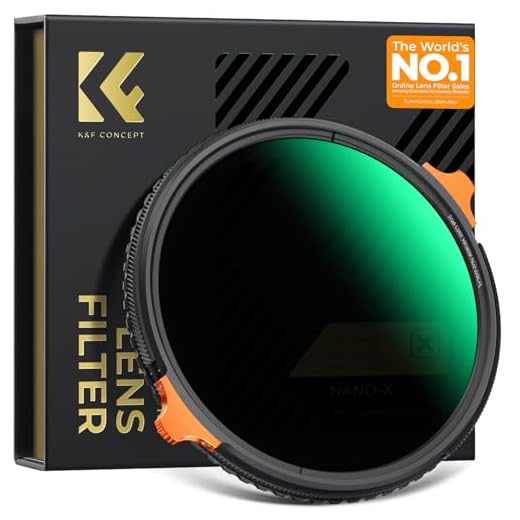
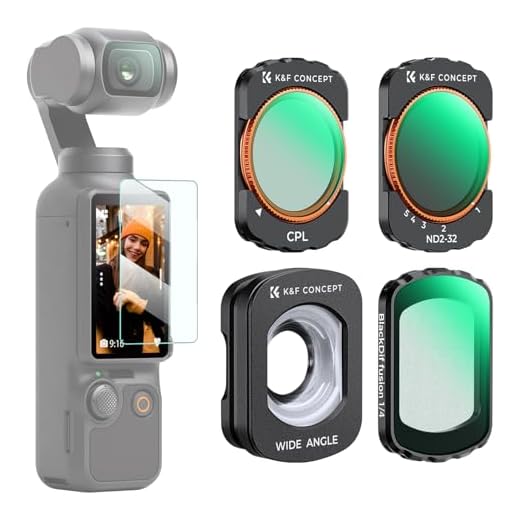
2. Image enhancement: Certain filters, like polarizers or ND filters, can improve the quality of your photos by reducing glare, enhancing colors, or controlling exposure.
3. Convenience: Filters can help you achieve certain effects in-camera without the need for extensive post-processing.
Cons:
1. Cost: High-quality lens filters can be expensive, especially if you need multiple filters for different purposes.
2. Image degradation: Low-quality filters may introduce unwanted artifacts or reduce image sharpness.
3. Compatibility issues: Some lens filters may not be compatible with certain lenses or cause vignetting on wide-angle lenses.
Advantages of Lens Filters for Mirrorless Cameras
When it comes to mirrorless cameras, using lens filters can offer several advantages that enhance your photography experience:
1. Protection
Lens filters act as a protective barrier for your lens, shielding it from scratches, dust, and other potential damage. This can help prolong the life of your lens and maintain its image quality.
2. Creative Effects
Filters like polarizers, ND filters, and color filters allow you to add creative effects to your photos right at the time of shooting. They can enhance colors, reduce glare, control reflections, and create unique visual effects.
Types of Lens Filters Suitable for Mirrorless Cameras
When it comes to using lens filters with mirrorless cameras, there are several options available to enhance your photography. Here are some of the most common types of lens filters that are suitable for mirrorless cameras:
1. UV Filters: UV filters are primarily used to protect the front element of your lens from scratches, dust, and moisture. They also help reduce the bluish cast that can occur when shooting in bright sunlight.
2. Polarizing Filters: Polarizing filters are great for cutting through reflections and glare, making colors more vibrant and skies bluer. They are especially useful for landscape photography.
3. ND (Neutral Density) Filters: ND filters reduce the amount of light entering the lens without affecting the color balance. They are perfect for long exposure photography, allowing you to capture motion blur in bright conditions.
4. Graduated ND Filters: Graduated ND filters are ideal for balancing the exposure in scenes where there is a large contrast between the sky and the foreground. They help darken the sky without affecting the exposure of the rest of the image.
5. Color Filters: Color filters can be used to add creative effects to your images by altering the color balance. For example, a warm-up filter can add a golden hue to your photos, while a cooling filter can create a blue tint.
Each type of lens filter serves a specific purpose and can enhance the quality of your images when used correctly with mirrorless cameras.
Factors to Consider When Choosing Lens Filters for Mirrorless Cameras
When selecting lens filters for mirrorless cameras, there are several important factors to consider to ensure you get the best results:
1. Filter Size: Make sure the filter you choose matches the diameter of your lens. Using the wrong size filter can cause vignetting or other issues.
2. Filter Type: Consider the type of filter you need based on your photography style. Common types include UV, polarizing, ND, and color filters.
3. Quality: Invest in high-quality filters to maintain the sharpness and clarity of your images. Cheaper filters may introduce distortion or reduce image quality.
4. Compatibility: Check if the filters are compatible with your specific lens and camera model. Some filters may not work well with certain lenses or camera systems.
5. Purpose: Determine the purpose of using a filter – whether it’s for protection, enhancing colors, reducing reflections, or achieving long exposure effects.
6. Brand Reputation: Consider reputable brands known for producing reliable and durable filters. Research reviews and user feedback to make an informed decision.
By taking these factors into account, you can select the right lens filters for your mirrorless camera to enhance your photography and achieve the desired results.
How Lens Filters Impact Image Quality on Mirrorless Cameras
When using lens filters on mirrorless cameras, it’s important to consider how they can affect image quality. While filters can provide various benefits such as UV protection, lens protection, and creative effects, they can also introduce potential drawbacks.
One common concern with using lens filters is the potential for image degradation. Lower quality filters or stacking multiple filters can lead to reduced sharpness, increased flare, and distortion. It’s crucial to invest in high-quality filters to minimize these negative effects.
Additionally, certain types of filters, such as polarizers and ND filters, can significantly impact exposure and color reproduction. Polarizing filters can enhance color saturation and reduce reflections, while ND filters can control exposure in bright conditions. However, improper use of these filters can result in color shifts or exposure issues.
| Filter Type | Impact on Image Quality |
|---|---|
| UV Filters | Minimal impact, mainly for lens protection |
| Polarizing Filters | Enhanced color saturation, reduced reflections |
| ND Filters | Controlled exposure in bright conditions |
In conclusion, lens filters can have both positive and negative effects on image quality when used with mirrorless cameras. Understanding the impact of different filters and using high-quality options can help maximize the benefits while minimizing any potential drawbacks.
Tips for Using Lens Filters Effectively with Mirrorless Cameras
1. Choose the Right Filter: When using lens filters with mirrorless cameras, it’s important to choose the right filter for the situation. Consider factors such as the type of filter (UV, ND, polarizer), filter size, and quality.
2. Use High-Quality Filters: Investing in high-quality filters can make a significant difference in the final image quality. Look for filters made from high-quality materials with multi-coating to reduce reflections and maintain sharpness.
3. Be Mindful of Vignetting: Some wide-angle lenses on mirrorless cameras may experience vignetting when using filters, especially with thicker filters or stacking multiple filters. Be mindful of this issue and adjust your composition accordingly.
4. Experiment with Polarizers: Polarizing filters can be particularly effective with mirrorless cameras, helping to reduce glare and reflections, enhance colors, and improve contrast in your photos. Experiment with polarizers to see the impact on your images.
5. Consider Filter Accessories: Invest in filter accessories such as filter holders, step-up rings, and lens caps to make using filters with your mirrorless camera more convenient and efficient. These accessories can help you easily switch between filters and protect your gear.


