
 Carmen J. Moore

Solar eclipses are awe-inspiring celestial events that have captivated mankind for centuries. The chance to witness the moon passing in front of the sun, creating a stunning display of light and shadow, is a rare and unforgettable experience.
With the advent of modern technology, many people now turn to their smartphones to capture these magical moments. But can an iPhone camera really do justice to the beauty and complexity of a solar eclipse?
In this article, we will explore the capabilities of an iPhone camera when it comes to photographing a solar eclipse, as well as offer tips and tricks for getting the best possible shots.


The Impact of Solar Eclipses
Solar eclipses have fascinated and captivated humans for centuries. These celestial events occur when the moon passes between the sun and the Earth, casting a shadow on our planet. The impact of solar eclipses goes beyond the awe-inspiring spectacle they create in the sky.
Historically, solar eclipses have been seen as omens or signs of impending doom in many cultures. Ancient civilizations believed that these events foretold disasters or significant changes. Today, we understand the science behind solar eclipses and can predict when they will occur with precision.
From a scientific perspective, solar eclipses provide valuable opportunities for researchers to study the sun’s corona, the outermost layer of the sun’s atmosphere. During a total solar eclipse, the moon blocks the sun’s bright disk, revealing the corona’s faint, wispy structure. This phenomenon allows scientists to observe and learn more about this elusive region of the sun.
Solar eclipses also have cultural and spiritual significance for many people around the world. They inspire awe, wonder, and a sense of connection to the universe. Some cultures view solar eclipses as symbolic events that mark a time of renewal, transformation, or spiritual awakening.
| Solar eclipses provide valuable research opportunities for scientists. |
| Historically, solar eclipses were seen as omens or signs of change. |
| These celestial events inspire awe and wonder in people worldwide. |
Understanding Solar Eclipses
A solar eclipse occurs when the Moon passes between the Earth and the Sun, blocking all or part of the Sun’s light. There are three types of solar eclipses: total, partial, and annular. During a total solar eclipse, the Sun is completely obscured by the Moon, creating a breathtaking sight where the Sun’s corona is visible. A partial solar eclipse happens when the Moon only partially covers the Sun, resulting in a crescent shape. An annular solar eclipse occurs when the Moon is farthest from Earth, appearing smaller and leaving a ring of sunlight visible around it.
It is important to note that looking directly at the Sun during a solar eclipse can cause serious eye damage. Special solar viewing glasses or indirect viewing methods, such as using a pinhole projector, are recommended to safely observe a solar eclipse. While an iPhone camera can capture a solar eclipse, it is essential to protect the camera lens with a solar filter to prevent damage to the device.
Photographing the Solar Eclipse
Photographing a solar eclipse can be a challenging but rewarding experience. Here are some tips to help you capture this rare and stunning event:
- Use a solar filter: It is crucial to protect your camera and your eyes when photographing the sun. Always use a solar filter to avoid damaging your equipment and to capture clear images of the eclipse.
- Choose the right location: Find a location with a clear view of the sun and the eclipse. Avoid areas with obstructions like buildings or trees that might block your view.
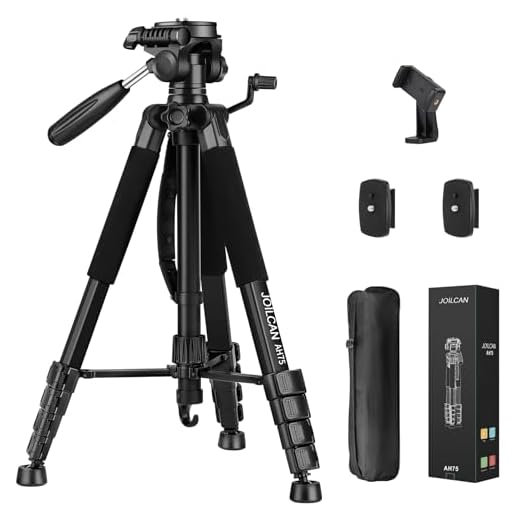
- Use a tripod: To ensure sharp and steady shots, use a tripod to stabilize your camera during the eclipse. This will help you capture the event with clarity and precision.
- Adjust your camera settings: Experiment with different camera settings such as exposure, ISO, and aperture to find the best combination for capturing the eclipse. Practice beforehand to get familiar with your camera’s capabilities.
- Be patient and prepared: Solar eclipses can be unpredictable, so be patient and ready to capture the moment when it happens. Have your equipment set up and be prepared to adjust settings quickly as the eclipse progresses.
Challenges of Capturing the Eclipse
While the iPhone camera is capable of capturing stunning images, photographing a solar eclipse presents some unique challenges. Here are a few factors to consider:
- Protecting Your Device: Directly pointing your iPhone camera at the sun during an eclipse can damage the sensor. It’s crucial to use a solar filter or special eclipse glasses to protect both your eyes and the camera.
- Proper Exposure: Achieving the right exposure for an eclipse can be tricky. The extreme contrast between the dark moon and the bright sun requires adjustments to prevent overexposure or underexposure.
- Stability: Holding your iPhone steady is essential for capturing a sharp image. Consider using a tripod or stabilizing device to minimize motion blur.
Conclusion
Despite the challenges, with proper preparation and equipment, it is possible to capture the beauty of a solar eclipse using an iPhone camera. Remember to prioritize safety and experiment with different settings to achieve the best results.
Can an iPhone Capture a Solar Eclipse?
Many people wonder if an iPhone camera is capable of capturing a solar eclipse. The answer is yes, but with some limitations. The iPhone camera can capture a solar eclipse, but the quality of the image may not be as good as that taken with a professional camera or telescope.
When attempting to photograph a solar eclipse with an iPhone, it is important to use special solar filters to protect the camera and your eyes. Without a proper filter, the intense sunlight can damage the camera sensor and lens.
Additionally, the iPhone’s built-in camera may not have the zoom capabilities required to capture detailed images of a solar eclipse. In such cases, external lenses or telescopes can be used to enhance the iPhone’s zoom capabilities.
Overall, while an iPhone can capture a solar eclipse, it may not produce the highest quality images compared to dedicated astrophotography equipment. However, with the right precautions and equipment, you can still capture a memorable image of this rare celestial event.
Tips for Shooting the Solar Eclipse
Shooting a solar eclipse with an iPhone camera can be challenging, but with the right tips, you can capture stunning images of this rare celestial event. Here are some tips to help you get the best shots:
1. Use a Solar Filter
Never point your iPhone camera directly at the sun during a solar eclipse without a solar filter. A solar filter will protect your eyes and your camera’s sensor from the intense light of the sun.
2. Plan Your Shot
Before the eclipse begins, scout out a location with a clear view of the sun. Consider the position of the sun in the sky and plan your shot accordingly. You may want to include some interesting foreground elements in your composition.
- Check the weather forecast to ensure clear skies.
- Arrive early to set up your equipment and get ready for the eclipse.
Follow these tips to capture the beauty of a solar eclipse with your iPhone camera and create stunning images that you can treasure for years to come.


I read that using a tripod can really help with stability, especially during an eclipse. That's great advice!
I'm curious if using a solar filter is really necessary when taking pictures of a solar eclipse with an iPhone. Can't you just adjust the camera settings?
Yes, using a solar filter is essential to protect both your eyes and your camera. While you can adjust settings to manage exposure, direct sunlight can still harm the camera sensor without a proper filter.
I disagree with the idea that an iPhone can't capture great eclipse photos. With the right apps and filters, I've seen some amazing iPhone shots that rival those from professional cameras.
I agree! It’s all about the right preparation and knowing how to adjust your settings.
Last year, I used my iPhone to photograph the solar eclipse. I followed the tips in the article and it helped a lot! I used a solar filter and set my phone up on a tripod. The clarity was decent, although not as sharp as I’d hoped. I recommend practicing with different settings beforehand to get comfortable.
What type of solar filter do I need for my iPhone? Are there specific brands you recommend?
Look for solar filters specifically designed for photography. Brands like SolarLite and Thousand Oaks Optical are well-regarded. Just ensure it fits your phone model!
Can you really get good quality images of a solar eclipse with an iPhone? I've heard mixed reviews about its camera capabilities.
From my experience, you can, but the quality may not match a DSLR. Using a solar filter helps a lot!
That's correct! With proper preparation and a solar filter, iPhones can capture decent images, but for the best results, a dedicated camera may be better.
I’ve heard mixed things about using an iPhone for capturing a solar eclipse. How do the photos compare to those taken with a DSLR?
Does anyone know if there's a specific type of solar filter that works best with iPhones?
It's best to use a solar filter specifically designed for photography, as they can effectively reduce glare and protect your camera sensor. Brands like Thousand Oaks Optical offer good options.
Do I really need a solar filter if I'm just taking a few quick shots?
Absolutely! Even quick shots can damage your camera sensor without a solar filter. It's better to be safe.
Yes, using a solar filter is crucial to protect both your eyes and your iPhone's camera. Never point your camera directly at the sun without one.
Can I really use my iPhone without a professional camera to capture a solar eclipse? I've heard mixed reviews about the quality of the photos.
I tried it last time, and while the photos weren’t as sharp as with my DSLR, they still came out pretty cool. Just remember to use a solar filter!
Just a heads up! Make sure you have enough storage on your iPhone before the eclipse. You don't want to miss capturing it because you're out of space!
I photographed the last solar eclipse with my iPhone, and it was a unique challenge. I used a solar filter and a tripod, which made a big difference. The colors and patterns were beautiful, but the detail wasn't as sharp as I'd hoped. Still, it was a memorable experience!
That's awesome! Did you have to adjust your settings a lot during the eclipse?
I photographed the last solar eclipse with my iPhone and was surprised at how well it performed. I used a solar filter and set up my tripod for stability. The images were decent, but I wish I had practiced my settings more beforehand.
That’s great to hear! I’m worried about exposure, though. Did you have to adjust it a lot during the eclipse?
Yes, adjusting exposure is key during an eclipse due to the contrast between the bright sun and the dark moon. It's a good idea to practice with your camera settings before the event.
How do the photos taken with an iPhone compare to those taken with a DSLR camera during a solar eclipse? Is the difference significant enough to consider getting a better camera for such events?
DSLR cameras generally offer better image quality and more control over settings than an iPhone, especially in extreme lighting conditions like a solar eclipse. However, with the right techniques and equipment, an iPhone can still capture decent images.
I disagree with the idea that iPhones can't capture good solar eclipse images. I've seen some impressive shots taken with just an iPhone, especially when using the right filters and settings. It really depends on the user's skills!
I tried capturing the last solar eclipse with my iPhone, and it was a mixed experience. I used a solar filter, but even then, the images turned out pretty blurry. I wish I had brought a tripod. The movement of my hands really affected the clarity. Planning the shot in advance helped, but next time I’ll definitely invest in some external lenses for better zoom capabilities!