
 Carmen J. Moore

DSLR cameras are known for their high-quality images, versatility, and advanced features. However, many beginner photographers may wonder if these cameras are easy to use. The answer is not a simple yes or no, as it depends on your level of experience and familiarity with photography.
For those new to photography, a DSLR camera can seem overwhelming with its array of buttons, dials, and settings. Understanding concepts like aperture, shutter speed, and ISO may take some time to grasp. However, with practice and patience, using a DSLR can become second nature.
One of the benefits of a DSLR camera is its manual controls, allowing you to have complete creative control over your photos. Learning to adjust settings to achieve the desired exposure, focus, and depth of field can enhance your photography skills and result in stunning images.
Understanding the Basics
Before diving into using a DSLR camera, it is essential to understand some basic concepts to make the most out of your photography experience. Here are a few key points to consider:


1. Camera Settings
Learn about the different settings on your DSLR camera, such as aperture, shutter speed, and ISO. Understanding how these settings work together will help you capture the perfect shot.
2. Composition
Composition plays a crucial role in photography. Familiarize yourself with the rule of thirds, leading lines, and other composition techniques to enhance your photos.
| Tip: Practice using your camera in different lighting conditions to get a feel for how settings affect the final image. |
Getting Started with DSLR
When you first get your DSLR camera, it can be overwhelming with all the buttons and settings. Here are some steps to help you get started:
| 1. | Read the manual: Take the time to read the manual that comes with your camera. It will give you a good understanding of the different functions and features. |
| 2. | Adjust settings: Start by adjusting the basic settings such as ISO, aperture, and shutter speed. Experiment with different settings to see how they affect your photos. |
| 3. | Practice shooting: Take your camera out and start practicing. Try different shooting modes like manual, aperture priority, and shutter priority to see which works best for you. |
| 4. | Learn about composition: Study composition techniques such as rule of thirds, leading lines, and framing. These will help you take more visually appealing photos. |
| 5. | Post-processing: After taking photos, learn how to edit them using software like Adobe Lightroom or Photoshop. This will enhance the quality of your images. |
Remember, practice makes perfect, so don’t be afraid to experiment and make mistakes. The more you use your DSLR camera, the more comfortable you will become with it.
Key Features to Know
When using a DSLR camera, it’s important to be familiar with its key features to make the most out of your photography experience. Here are some essential features to know:
1. Interchangeable Lenses
One of the main advantages of a DSLR camera is the ability to change lenses. This allows you to adapt to different shooting situations and achieve various creative effects.
2. Manual Controls
DSLR cameras offer manual controls for settings such as aperture, shutter speed, and ISO. Understanding how to adjust these settings will give you greater control over your images.
- Aperture: Controls the amount of light entering the lens
- Shutter Speed: Determines how long the shutter remains open
- ISO: Determines the camera’s sensitivity to light
Mastering Your DSLR
Learning to use a DSLR camera can be a rewarding experience, but it does require some time and effort. Here are some tips to help you master your DSLR:
1. Understand the Basics
Start by familiarizing yourself with the basic functions of your camera, such as aperture, shutter speed, and ISO. Understanding these settings will allow you to take full control of your shots.
2. Practice Regularly
The more you practice using your DSLR, the more comfortable you will become with its features. Experiment with different settings and shooting conditions to improve your skills.
- Try shooting in manual mode to have complete control over your exposure.
- Practice composing your shots using the rule of thirds for more visually appealing photos.
- Experiment with different lenses to understand their effects on your images.
By dedicating time to mastering your DSLR camera, you will be able to capture stunning photos and unleash your creativity.
Tips for Better Photography
1. Understand the basic principles of photography, such as composition, lighting, and framing.
2. Experiment with different angles and perspectives to capture unique and interesting shots.
3. Take the time to learn about your DSLR camera’s settings and features to maximize its potential.
4. Use manual mode to have more control over your camera settings and achieve the desired effects.
5. Practice regularly to improve your skills and develop your own style as a photographer.
Exploring Manual Settings
One of the key advantages of a DSLR camera is the ability to control manual settings, giving you more creative control over your photos. While it may seem daunting at first, learning how to adjust settings like aperture, shutter speed, and ISO can greatly improve the quality of your images.
Experimenting with manual settings allows you to customize the look of your photos and achieve effects that are not possible with automatic settings. For example, adjusting the aperture can create a shallow depth of field, blurring the background and highlighting your subject. Changing the shutter speed can freeze motion or create motion blur, adding a dynamic element to your images.
Understanding how each setting affects your photos and practicing with different combinations will help you become more comfortable using manual mode. Don’t be afraid to experiment and push your creative boundaries – you may be surprised by the stunning results you can achieve!
Overcoming Challenges
While using a DSLR camera may seem daunting at first, there are several ways to overcome the challenges that come with it:
- Read the manual: Take the time to read the manual that comes with your camera. Understanding its features and settings will make using it much easier.
- Practice: The more you practice using your DSLR camera, the more comfortable you will become with it. Experiment with different settings and shooting modes to gain confidence.
- Take a photography course: If you’re struggling with certain aspects of using a DSLR camera, consider taking a photography course. This can help you improve your skills and learn new techniques.
- Seek help online: There are many online resources, forums, and tutorials available that can provide tips and tricks for using a DSLR camera. Don’t hesitate to seek help from experienced photographers.
Dealing with Low Light
One of the challenges when using a DSLR camera is dealing with low light situations. In low light, the camera sensor may struggle to capture enough light to produce a clear and sharp image. To combat this, you can adjust the ISO setting on your camera to increase its sensitivity to light. However, be careful not to set the ISO too high, as this can result in grainy or noisy photos.
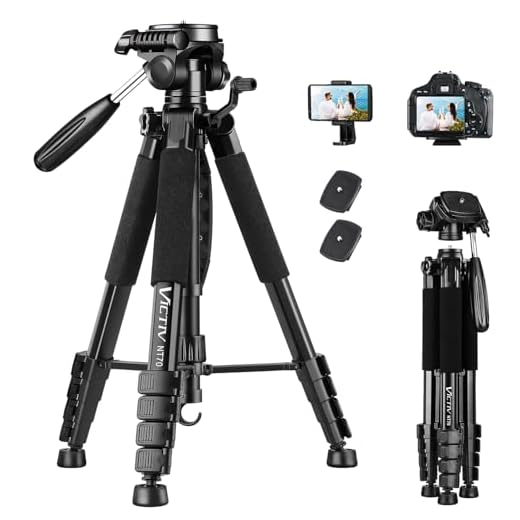
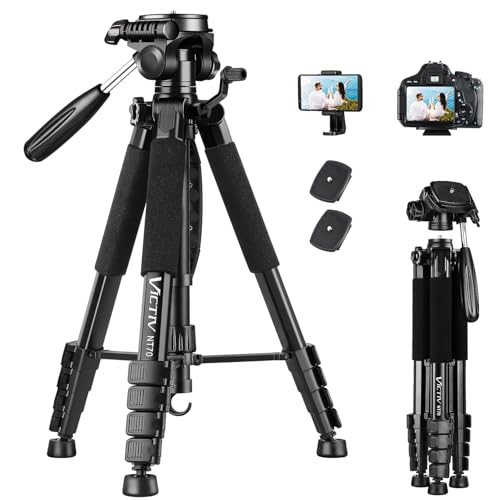
Another option is to use a wider aperture, allowing more light to enter the lens. Keep in mind that a wider aperture will result in a shallower depth of field, so you may need to adjust your focus accordingly. Additionally, you can use a tripod to stabilize your camera and reduce the risk of camera shake in low light conditions.
Experiment with different settings and techniques to find the best approach for capturing high-quality images in low light with your DSLR camera.
Handling Shaky Shots
One common issue when using a DSLR camera is capturing shaky shots. Shaky footage can ruin the overall quality of your videos or photos. Here are some tips to help you handle shaky shots:
- Use a tripod: One of the best ways to stabilize your shots is by using a tripod. This will help you keep your camera steady and prevent shaky footage.
- Hold your camera properly: Make sure to hold your camera with both hands and keep your elbows close to your body for added stability.
- Use image stabilization: If your DSLR camera has image stabilization features, make sure to enable them to reduce the effects of camera shake.
- Avoid sudden movements: Try to move your camera smoothly and avoid sudden jerky movements that can cause shaky shots.
Practice Makes Perfect
Handling shaky shots takes practice, so don’t get discouraged if you struggle at first. Keep practicing and experimenting with different techniques to improve your skills.
FAQ
Is a DSLR camera suitable for beginners?
Yes, a DSLR camera can be used by beginners, but it may have a steeper learning curve compared to point-and-shoot cameras or smartphones. With some practice and learning the basics of photography, beginners can effectively use a DSLR camera to capture high-quality images.
How do I learn to use a DSLR camera?
To learn how to use a DSLR camera, you can start by reading the camera’s manual to understand its features and settings. Additionally, there are online tutorials, photography classes, and workshops that can help you grasp the fundamentals of photography and how to operate a DSLR camera effectively.
Are DSLR cameras user-friendly?
While DSLR cameras offer advanced features and settings for photographers to control, they may not be as user-friendly as point-and-shoot cameras or smartphones. However, with some practice and familiarization with the camera’s functions, users can find DSLRs intuitive and rewarding to use.
What are the advantages of using a DSLR camera?
DSLR cameras offer several advantages, such as interchangeable lenses for different types of photography, manual controls for customization, high image quality, and the ability to capture fast-moving subjects with precision. These features make DSLR cameras popular among photography enthusiasts and professionals.
Is it worth investing in a DSLR camera for a beginner?
Investing in a DSLR camera as a beginner can be beneficial if you are interested in learning photography and exploring creative possibilities. While DSLR cameras may have a higher price tag than point-and-shoot cameras, they offer more control and flexibility in capturing images, which can enhance your photography skills over time.


I don't agree with the notion that everyone should start learning on manual mode. I think beginners can benefit from using program or aperture priority mode first to build confidence without being overwhelmed.
I recently bought a DSLR and honestly, it was overwhelming at first with all the buttons and settings. However, I took a photography class which really helped clear things up. Now I can adjust settings like aperture and shutter speed with confidence. Practice really does make a difference!
Could someone explain how changing the ISO affects a photo? I’ve played with it a bit, but I’m not sure I fully understand its impact.
Great question! Increasing the ISO makes your camera more sensitive to light, which is useful in low-light situations. However, too high of an ISO can introduce noise, making photos look grainy.
I’m a complete beginner and find the idea of using a DSLR camera quite intimidating. Are there any specific tips for someone just starting out?
Don't forget to practice in various lighting conditions! It really helps you get a feel for how settings affect your shots.