
 Carmen J. Moore

The digital camera revolutionized the way we capture and share images, but do you know when this innovative technology first hit the market?


In the late 20th century, the digital camera emerged as a game-changer in the world of photography, offering a more convenient and versatile alternative to traditional film cameras.
It wasn’t until the 1990s that digital cameras started to gain popularity among consumers, with the first commercial models becoming available for purchase.
The Invention of Digital Camera
The first digital camera was invented by Steven Sasson, an engineer at Eastman Kodak, in 1975. The prototype digital camera weighed around 8 pounds and was the size of a toaster. It had a resolution of 0.01 megapixels and took 23 seconds to capture the first digital image. This invention marked the beginning of the digital photography revolution.
However, it wasn’t until the late 1980s and early 1990s that digital cameras started to become commercially available. The first commercially available digital camera was the Dycam Model 1, released in 1990. It had a resolution of 376 x 240 pixels and could store up to 32 images in its internal memory.
Since then, digital cameras have evolved rapidly, with improvements in resolution, image quality, and features. Today, digital cameras are ubiquitous and have largely replaced film cameras in the consumer market.

The Early Beginnings
In 1975, engineer Steven Sasson at Eastman Kodak invented the first digital camera. This groundbreaking invention marked the beginning of the digital photography revolution. The first digital camera was a large, bulky device that captured black and white images at a resolution of 0.01 megapixels. It used a cassette tape to store the captured images, which could be viewed on a television screen.
Despite its limitations, the invention of the digital camera paved the way for the development of smaller, more advanced digital cameras that would eventually revolutionize the photography industry.
Impact on Photography Industry
The introduction of digital cameras had a profound impact on the photography industry. It revolutionized the way photos were taken, stored, and shared. Here are some key ways in which digital cameras changed the industry:
1. Increased Accessibility
Digital cameras made photography more accessible to a wider audience. With the ability to instantly view and delete photos, users could experiment with different angles and compositions without the cost of film and developing.
2. Rapid Technological Advancements
The digital camera market saw rapid technological advancements, leading to higher resolution, faster shooting speeds, and improved features. This constant innovation pushed photographers to adapt and learn new techniques.
Evolution of Digital Cameras
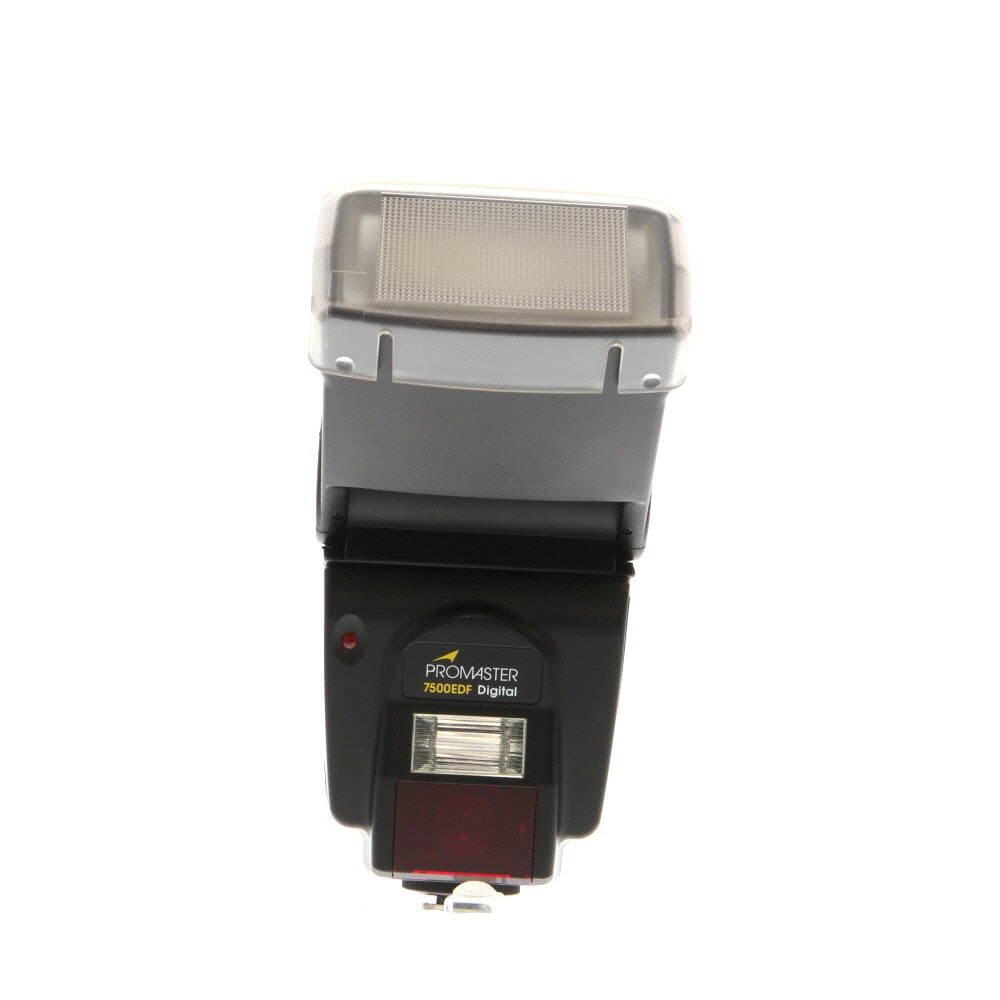
The first digital camera was developed by Kodak engineer Steven Sasson in 1975. However, it wasn’t until 1990 that the first commercially available digital camera, the Dycam Model 1, was released. This early digital camera had a resolution of 1.4 megapixels and used a CCD sensor to capture images. Over the years, digital cameras have evolved rapidly, with advancements in sensor technology, image processing, and connectivity features. Today, digital cameras range from compact point-and-shoot cameras to high-end DSLRs and mirrorless cameras with resolutions exceeding 50 megapixels. The evolution of digital cameras has revolutionized photography, making it more accessible and convenient for people to capture and share moments.
The Future of Digital Imaging
In recent years, digital imaging technology has advanced rapidly, revolutionizing the way we capture, store, and share images. The future of digital imaging looks promising, with exciting developments on the horizon.
1. Improved Image Quality: As sensor technology continues to evolve, we can expect digital cameras to capture even higher resolution images with better color accuracy and dynamic range.
2. Enhanced Connectivity: With the rise of internet-connected devices, digital cameras are likely to become more integrated with online platforms, allowing for seamless sharing and editing of images in real-time.
3. Artificial Intelligence: AI-powered features such as automatic scene recognition, image enhancement, and object tracking are expected to become standard in digital cameras, making photography more accessible and intuitive for users.

4. Virtual and Augmented Reality: Digital imaging technology will play a crucial role in the development of virtual and augmented reality experiences, enabling immersive visual storytelling and interactive digital environments.
5. Sustainability: With a growing focus on environmental responsibility, future digital cameras are likely to be designed with sustainability in mind, incorporating eco-friendly materials and energy-efficient components.
Overall, the future of digital imaging holds great promise for both professional photographers and casual users, with innovative features and capabilities that will continue to push the boundaries of creativity and expression.
FAQ
When was the digital camera first introduced to the market?
The first digital camera was introduced to the market in 1988 by Kodak. It was called the Kodak DCS (Digital Camera System) and was aimed at professional photographers.
Was the digital camera immediately popular when it was first introduced?
Initially, the digital camera was not very popular due to its high cost and limited technology. However, as technology improved and prices dropped, the digital camera became more accessible to the general public.

What were some of the early challenges faced by digital cameras in the market?
Early digital cameras faced challenges such as low image quality, limited storage capacity, and high cost compared to film cameras. These factors initially hindered the widespread adoption of digital cameras.
How did the digital camera market evolve over time?
Over time, the digital camera market evolved rapidly with advancements in technology. Cameras became smaller, more affordable, and offered higher resolution and features like video recording, leading to a decline in traditional film camera sales.
What are some of the key innovations that have shaped the digital camera market?
Key innovations that have shaped the digital camera market include the development of CMOS sensors, image stabilization technology, Wi-Fi connectivity, and the integration of smartphone capabilities into cameras. These innovations have transformed the way we capture and share photos.


I don’t think digital cameras have entirely replaced film cameras. Some photographers still prefer film for its unique qualities.
That’s true! Film does have a different look and feel that many still appreciate.
The article mentioned the first digital camera was invented in 1975, but it wasn't commercially available until 1990. Can someone clarify what made the delay? Were there technological barriers?
Great question! The delay was primarily due to the high cost of technology and the initial limitations in image quality and storage. It took time for advancements to make digital cameras more viable for consumer use.
How do the costs of early digital cameras compare to today’s models? It's hard to believe how far we've come!
When exactly did the first digital camera come to market? Was it the one by Kodak in the 1980s?
It’s fascinating to think how much digital cameras have evolved, from bulky prototypes to compact DSLRs and mirrorless systems!
I remember using one of the early digital cameras back in the 90s. The image quality was pretty poor compared to today’s standards, but it was so exciting to see your pictures instantly!