
 Carmen J. Moore

In the age of smartphones and digital cameras, capturing memorable events like a solar eclipse has become easier than ever. But can you actually look at the eclipse through the lens of a digital camera without damaging your eyes?
The short answer is no. While it may seem tempting to point your camera directly at the sun during an eclipse to get a perfect shot, this can actually be harmful to both your eyes and your camera’s sensor.
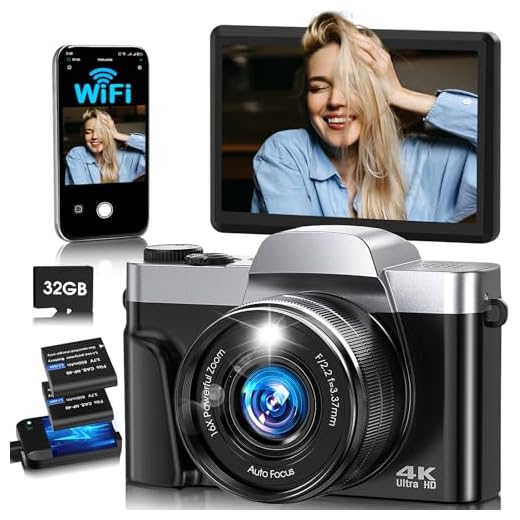
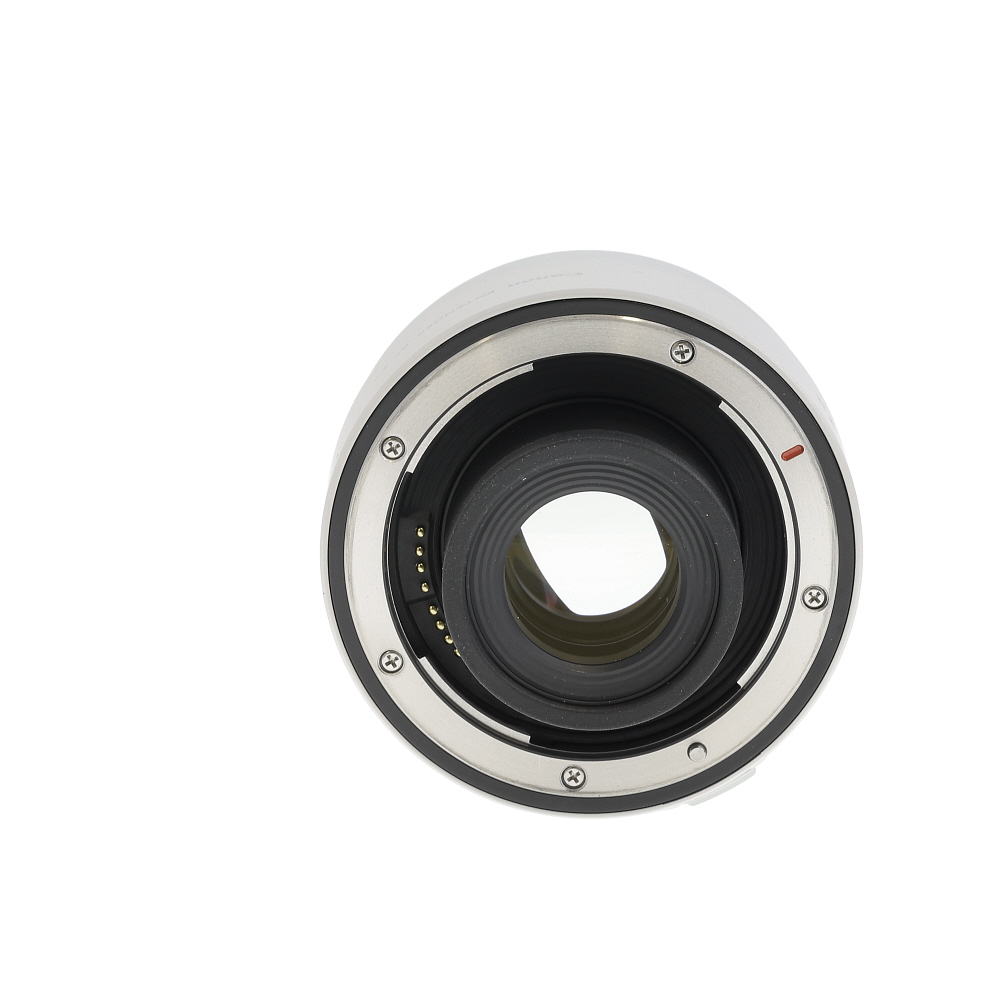
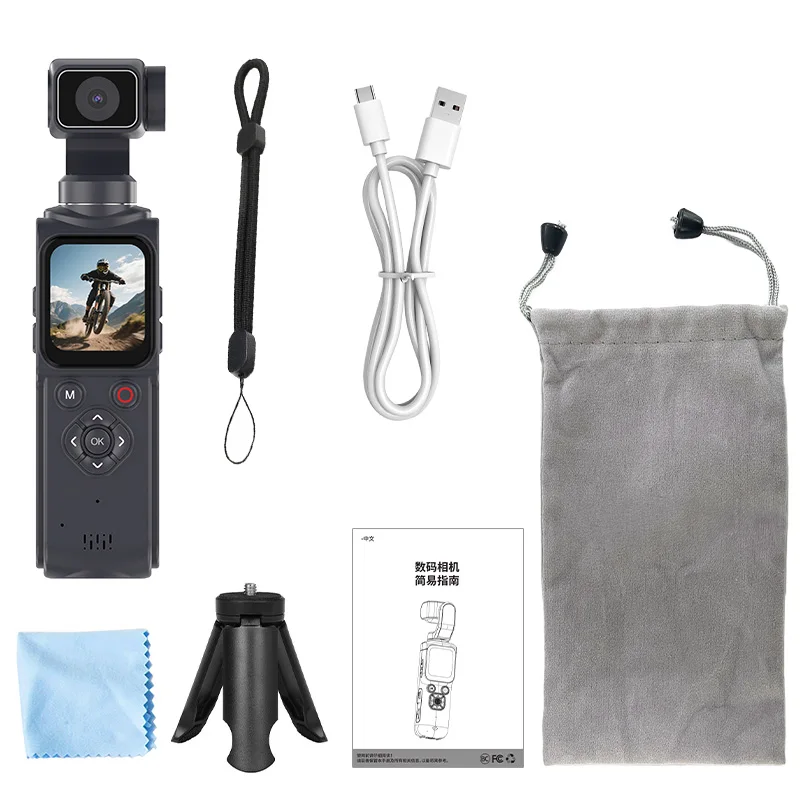

When looking at the sun through a digital camera, the intense light can cause damage to the camera’s sensor, similar to how it can damage your eyes. This can result in irreparable harm to your equipment and potentially ruin any future photos you take.
Understanding the Eclipse Phenomenon
An eclipse is a fascinating natural event that occurs when one celestial body moves into the shadow of another. There are two main types of eclipses: solar eclipses and lunar eclipses.
Solar Eclipses
Solar eclipses happen when the Moon passes between the Sun and the Earth, blocking the Sun’s rays and casting a shadow on the Earth. It is not safe to look directly at a solar eclipse with the naked eye as it can cause permanent damage to your eyes.
Lunar Eclipses
Lunar eclipses occur when the Earth comes between the Sun and the Moon, causing the Earth’s shadow to fall on the Moon. Unlike solar eclipses, lunar eclipses are safe to observe with the naked eye.
- Partial Eclipse: When only a part of the Sun or Moon is obscured.
- Total Eclipse: When the Sun or Moon is completely obscured.
Importance of Eye Safety During an Eclipse
Watching a solar eclipse is an awe-inspiring experience, but it’s crucial to prioritize eye safety during this natural phenomenon. The intense sunlight that can still be present during an eclipse can cause severe damage to your eyes if you look directly at it.
Protective Eyewear
Specialized eclipse glasses or handheld viewers are essential to shield your eyes from harmful solar radiation. Regular sunglasses are not sufficient protection and should not be used to view an eclipse.
Photographing the Eclipse
While it may be tempting to capture the eclipse through a digital camera or smartphone, it’s important to never look at the sun through these devices, as the concentrated light can still harm your eyes. Use a solar filter on your camera lens to safely photograph the eclipse.
Remember, your eyes are irreplaceable, so take the necessary precautions to safeguard them during an eclipse.
Can a Digital Camera Safely Capture an Eclipse?
Many people wonder if they can safely view an eclipse through the lens of a digital camera. While it is generally safe to use a digital camera to capture images of an eclipse, there are some important precautions to keep in mind.
First and foremost, never look at the sun directly through the viewfinder of a digital camera, as this can cause serious eye damage. Instead, use the camera’s LCD screen to frame and capture the eclipse.
It is also recommended to use a solar filter on the camera lens to protect both the camera sensor and your eyes from the intense sunlight during an eclipse. Without a proper solar filter, the camera’s sensor could be damaged by the bright light, and you could risk harming your eyes if you accidentally look at the sun through the camera.
Additionally, be sure to follow any specific guidelines provided by the camera manufacturer for capturing images of the sun or an eclipse. Some cameras may have special settings or features that can help you safely photograph this celestial event.
By taking these precautions and using common sense, you can safely capture stunning images of an eclipse with your digital camera without putting yourself or your equipment at risk.
How to Safely View an Eclipse Through a Digital Camera
When capturing images of a solar eclipse with a digital camera, it is crucial to take precautions to protect both your equipment and your eyes. Here are some guidelines for safely viewing an eclipse through a digital camera:
1. Use a solar filter: To prevent damage to your camera’s sensor and lens, always use a solar filter when photographing the sun during an eclipse. This filter will reduce the intensity of the sunlight and protect your equipment.
2. Properly set exposure: Adjust your camera settings to ensure that the exposure is correct for capturing the eclipse. Be mindful of the changing light conditions during the eclipse and make necessary adjustments to your settings.
3. Use a tripod: To avoid camera shake and ensure sharp images, use a tripod when photographing the eclipse. This will help you keep your camera steady and capture clear shots of the event.
4. Protect your eyes: Never look directly at the sun through your camera’s viewfinder or LCD screen, as this can cause serious eye damage. Use proper eclipse viewing glasses to protect your eyes while framing your shots.
By following these guidelines, you can safely view and capture stunning images of a solar eclipse through your digital camera. Remember to prioritize safety and enjoy the beauty of this natural phenomenon responsibly.
Tips for Taking Eclipse Photos with a Digital Camera
Taking photos of an eclipse with a digital camera can be a rewarding experience, but it requires some preparation and knowledge to capture the stunning event successfully. Here are some tips to help you get the best eclipse photos with your digital camera:

1. Use a Solar Filter
Always use a solar filter when photographing the eclipse to protect your camera’s sensor and your eyes. Without a solar filter, the intense sunlight during an eclipse can damage your equipment.
2. Set Up Your Equipment in Advance
Before the eclipse begins, set up your camera on a sturdy tripod and adjust the settings to the recommended exposure for photographing the sun. This will help you be ready to capture the eclipse without missing any crucial moments.
3. Experiment with Exposure Settings
Try different exposure settings to find the right balance between capturing the details of the sun and the surrounding environment during the eclipse. Bracketing your shots can help you find the perfect exposure for your photos.
| Tip | Description |
|---|---|
| 4. Use a Remote Shutter Release | Using a remote shutter release or the camera’s self-timer can help reduce camera shake and ensure sharp images when capturing the eclipse. |
| 5. Consider Composition | Experiment with different compositions to create unique and visually appealing eclipse photos. Include elements like landscapes or silhouettes to add interest to your images. |
Best Camera Settings for Eclipse Photography
When capturing the mesmerizing beauty of a solar eclipse with your digital camera, it’s essential to adjust your settings for optimal results. Here are some recommended camera settings for eclipse photography:
1. Manual Mode: Switch your camera to manual mode to have full control over your settings.
2. ISO: Set your ISO to the lowest native value of your camera (usually 100 or 200) to reduce noise in your images.
3. Aperture: Use a mid-range aperture like f/8 to f/11 to ensure sharpness throughout the frame.
4. Shutter Speed: Experiment with different shutter speeds, but a good starting point is around 1/1000s to capture the details of the eclipse without overexposure.
5. White Balance: Set your white balance to daylight or use a custom white balance setting for accurate colors.
6. Focus: Manual focus is recommended for eclipse photography to ensure the sharpest images.
By adjusting these settings and experimenting with your camera, you can capture stunning images of the eclipse that will leave you in awe of the beauty of the celestial event.
Editing and Enhancing Eclipse Photos on a Digital Camera
After capturing stunning eclipse photos with your digital camera, it’s time to enhance and edit them to make them even more breathtaking. Here are some tips to help you take your eclipse photography to the next level:
1. Adjust the Exposure
One of the key elements in enhancing eclipse photos is adjusting the exposure. You may need to lighten or darken the image to bring out the details of the eclipse. Experiment with exposure settings to find the perfect balance.
2. Crop and Rotate
Cropping and rotating your eclipse photos can help improve composition and remove any unwanted elements from the frame. Focus on the main subject, the eclipse, and adjust the cropping and rotation accordingly.
- Remove distractions
- Highlight the eclipse
- Ensure a balanced composition
By following these simple editing techniques, you can turn your eclipse photos into stunning works of art that capture the beauty of this natural phenomenon.

FAQ
Can I safely view a solar eclipse through the viewfinder of a digital camera?
No, it is not safe to look at a solar eclipse through the viewfinder of a digital camera. The concentrated sunlight passing through the viewfinder can damage your eyes.
Is it possible to take a picture of a solar eclipse using a digital camera without damaging the camera?
Yes, you can safely take a picture of a solar eclipse using a digital camera as long as you do not look through the viewfinder and use proper solar filters or eclipse glasses to protect the camera’s sensor and your eyes.
How can I capture a solar eclipse with a digital camera?
To capture a solar eclipse with a digital camera, you should use a solar filter on the camera’s lens to protect the sensor. Do not look directly at the eclipse through the camera’s viewfinder. Set up the camera on a tripod and use a remote shutter release or a timer to avoid camera shake.
What are the risks of looking at a solar eclipse through a digital camera?
Looking at a solar eclipse through a digital camera without proper protection can damage both your eyes and the camera’s sensor. The intense sunlight can cause permanent eye damage, and the concentrated light can harm the camera’s components.


I’ve heard some people say you can just use a regular lens to take pictures of the eclipse. Is that really safe, or do I need to invest in a solar filter?
It's definitely not safe to use a regular lens without a solar filter. The risk of damaging both your eyes and your camera sensor is too high. Investing in a solar filter is wise!
I tried photographing the last solar eclipse without a solar filter, thinking my camera could handle it. I had to replace my sensor after that mishap! I learned the hard way that safety precautions are crucial, both for eyes and equipment. Now I always use a filter and take my time setting everything up. It's totally worth it for the stunning shots!