Carmen J. Moore

Digital cameras have revolutionized the way we capture moments and memories in vivid detail. But can they see beyond the visible spectrum of light?
Infra red and ultra violet light are wavelengths that are invisible to the human eye, but certain digital cameras have the capability to detect these wavelengths.
While most consumer digital cameras are designed to capture only visible light, specialized cameras equipped with infrared or ultraviolet filters can extend their range to include these non-visible wavelengths.


Can Digital Cameras Detect Infrared and Ultraviolet Light?
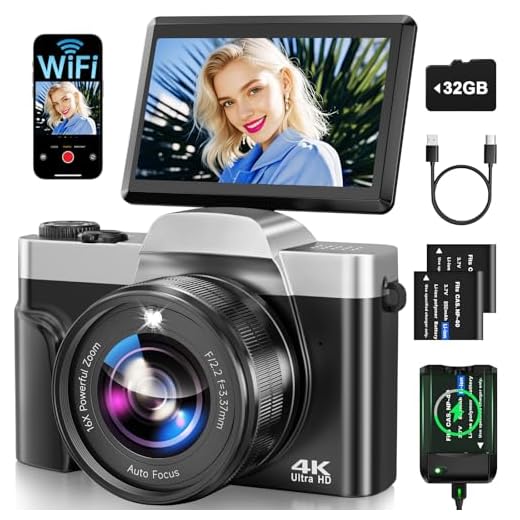
Digital cameras are designed to capture visible light, which is the range of light that is visible to the human eye. However, some digital cameras have the ability to detect infrared and ultraviolet light as well. Infrared light has a longer wavelength than visible light and is often used in night vision cameras or for capturing heat signatures. Some digital cameras have a special filter that blocks out infrared light, but others are modified to capture both visible and infrared light. Ultraviolet light, on the other hand, has a shorter wavelength than visible light and is often used in scientific research or forensics. While most digital cameras cannot detect ultraviolet light, there are specialized cameras that are designed specifically for this purpose. Overall, digital cameras can be modified or equipped with filters to detect infrared and ultraviolet light, but it is not a standard feature in most consumer cameras.
Understanding the Spectrum
The electromagnetic spectrum consists of a range of wavelengths, from gamma rays with the shortest wavelengths to radio waves with the longest wavelengths. Visible light falls in the middle of this spectrum, with infrared and ultraviolet on either side.
Visible Light
Visible light is the portion of the spectrum that our eyes can detect. It ranges from violet light with the shortest wavelength to red light with the longest wavelength. Digital cameras capture images in this visible range.
Infrared and Ultraviolet
Infrared light has longer wavelengths than visible light, while ultraviolet light has shorter wavelengths. Digital cameras can be modified to capture infrared or ultraviolet light, allowing them to “see” beyond the visible spectrum. Special filters or sensors are needed to detect these wavelengths.
How Digital Cameras Capture Light
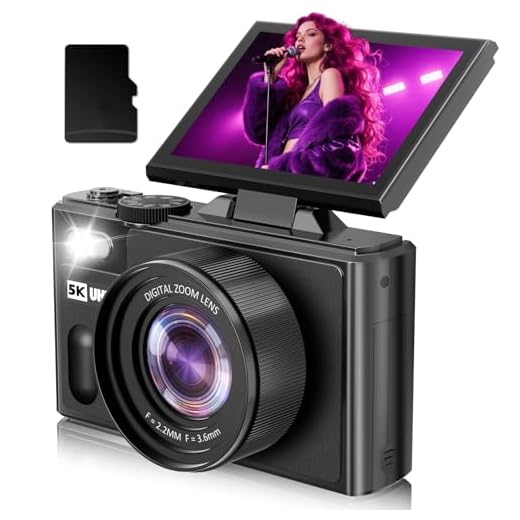
Digital cameras capture light through a process that involves a combination of optics, sensors, and image processing technology. When light enters the camera’s lens, it passes through a series of elements that focus and direct the light onto the camera’s sensor.
Optical Elements
The lens of a digital camera plays a crucial role in capturing light. It helps to focus the incoming light onto the sensor, ensuring sharp and clear images. The aperture of the lens controls the amount of light that reaches the sensor, while the shutter speed determines how long the sensor is exposed to light.
Sensor Technology
The sensor in a digital camera is made up of millions of light-sensitive pixels that convert light into electrical signals. Each pixel records the intensity of light it receives, creating a digital representation of the scene. The sensor’s sensitivity to different wavelengths of light determines the camera’s ability to capture infrared or ultraviolet light.
What is Infrared Light?
Infrared light is a type of electromagnetic radiation that is invisible to the human eye. It has longer wavelengths than visible light, ranging from about 700 nanometers to 1 millimeter. Infrared light is commonly divided into three categories: near-infrared, mid-infrared, and far-infrared, based on their wavelengths.
Near-infrared light, with wavelengths from about 700 to 1400 nanometers, is often used in remote controls, sensors, and communication devices. Mid-infrared light, ranging from 1400 to 3000 nanometers, is utilized in thermal imaging and spectroscopy. Far-infrared light, with wavelengths from 3000 nanometers to 1 millimeter, is commonly used in astronomy and some medical applications.
Infrared light is emitted by all objects with a temperature above absolute zero. It is often used in technology for night vision, heat detection, and communication. Infrared cameras can capture this light and convert it into visible images, allowing us to see beyond what our eyes can perceive.
Can Digital Cameras See Infrared Light?
Digital cameras are typically designed to capture visible light, which is the range of electromagnetic radiation that is visible to the human eye. However, some digital cameras can be modified to see infrared light. Infrared light has a longer wavelength than visible light and is not visible to the naked eye.
There are two main ways to make a digital camera capable of capturing infrared light. One method involves removing the infrared-blocking filter that is typically found in front of the camera’s sensor. This allows the sensor to detect infrared light and capture images in the infrared spectrum. Another method involves attaching an external infrared filter to the lens of the camera, which filters out visible light and allows only infrared light to pass through to the sensor.
When a digital camera is modified to see infrared light, the resulting images can have a surreal and otherworldly appearance. Infrared photography can capture details that are not visible in visible light, making it a popular choice for artistic and scientific purposes.
What is Ultraviolet Light?
Ultraviolet (UV) light is a type of electromagnetic radiation with a wavelength shorter than that of visible light but longer than X-rays. It is invisible to the human eye, but some animals, such as bees, can see in the ultraviolet spectrum. UV light is divided into three categories: UV-A, UV-B, and UV-C, based on their wavelengths. UV-A has the longest wavelength and is the least harmful, while UV-C has the shortest wavelength and is the most damaging to living organisms.
UV light is produced by the sun and can also be emitted by certain artificial sources, such as UV lamps and tanning beds. While UV light is essential for the synthesis of vitamin D in humans, overexposure can lead to sunburn, skin aging, and an increased risk of skin cancer. UV light is also used for sterilization purposes, as it can kill bacteria and viruses by damaging their DNA.

| Category | Wavelength | Effects |
|---|---|---|
| UV-A | 315-400 nm | Causes skin aging |
| UV-B | 280-315 nm | Causes sunburn and skin cancer |
| UV-C | 100-280 nm | Used for sterilization |
Can Digital Cameras Detect Ultraviolet Light?
Digital cameras typically cannot detect ultraviolet (UV) light without modifications. The image sensors in digital cameras are designed to capture visible light, which ranges from approximately 400 to 700 nanometers in wavelength. UV light, with wavelengths shorter than 400 nm, is not typically detected by standard digital cameras.
However, some specialized digital cameras or camera modifications can be made to detect UV light. These modifications involve removing the UV-blocking filter that is typically present in digital cameras to enhance UV sensitivity. Specialized UV filters can also be attached to the lens to allow the camera to capture UV light.
Specialized Cameras for Infrared and Ultraviolet Photography
While most digital cameras are not capable of capturing infrared or ultraviolet light, there are specialized cameras designed specifically for these purposes. Infrared cameras are equipped with sensors that are sensitive to infrared light, allowing them to capture images in the infrared spectrum. These cameras are commonly used in scientific research, surveillance, and artistic photography.
Similarly, ultraviolet cameras are equipped with sensors that can detect ultraviolet light, enabling them to capture images in the ultraviolet spectrum. These cameras are used in various applications such as forensic analysis, medical imaging, and ultraviolet photography.
Both infrared and ultraviolet cameras require special filters and lenses to enhance the quality of the captured images. These specialized cameras offer unique capabilities that are not achievable with digital-cameras/best-standard-digital-camera/" class="sa-auto-link" data-sa-rule="12209" title="standard digital">standard digital cameras, making them valuable tools in specific fields of photography and research.

Applications of Infrared and Ultraviolet Imaging
Infrared and ultraviolet imaging have a wide range of applications across various industries. Some of the key applications include:
1. Security and Surveillance
- Infrared imaging is commonly used in security and surveillance systems to detect intruders or monitor activity in low light conditions.
- Ultraviolet imaging can be used to identify counterfeit currency or documents.
2. Medical Imaging
- Infrared imaging is used in medical diagnostics to detect heat patterns in the body, helping to identify issues such as inflammation or infections.
- Ultraviolet imaging can be used in dermatology to detect skin conditions or sun damage.
These are just a few examples of the diverse applications of infrared and ultraviolet imaging technologies.
Challenges in Infrared and Ultraviolet Photography
Photography in the infrared and ultraviolet spectrum presents unique challenges compared to visible light photography. One of the main challenges is the need for specialized equipment that can capture these wavelengths accurately.
When working in the infrared spectrum, photographers must contend with issues such as hot spots, which can cause overexposure in certain areas of the image. Additionally, infrared light can penetrate haze and fog differently than visible light, leading to unexpected results.
Ultraviolet photography
Ultraviolet photography comes with its own set of challenges, including the need for UV-specific filters to block out visible light and prevent lens flare. Additionally, UV light can be difficult to capture accurately, as it is often scattered by the atmosphere and can produce unpredictable results.
Overcoming these challenges requires specialized knowledge and equipment, but the results can be truly unique and artistic, offering a different perspective on the world around us.
FAQ
Can digital cameras detect infrared light?
Most digital cameras have a filter that blocks out infrared light to improve image quality. However, some cameras can be modified to detect infrared light, allowing users to capture unique infrared images.
Is it possible for digital cameras to capture ultraviolet light?
Generally, digital cameras are not designed to capture ultraviolet light as they have filters that block out UV rays. Specialized cameras or modifications can be used to capture ultraviolet images, but it is not a common feature in standard digital cameras.
What are the limitations of digital cameras in capturing infrared and ultraviolet light?
The main limitation is the filters installed in digital cameras that block out infrared and ultraviolet light to produce more accurate colors in standard photography. Modifying the camera or using specialized equipment is necessary to overcome these limitations and capture images in these spectrums.
How can photographers utilize infrared and ultraviolet photography with digital cameras?
Photographers interested in infrared and ultraviolet photography can modify their cameras, use specialized lenses, or opt for dedicated cameras that are designed to capture images in these spectrums. This allows for creative and unique photographic opportunities beyond the visible light spectrum.