
 Carmen J. Moore

Security cameras have become an essential part of modern surveillance systems, providing a way to monitor homes, businesses, and public spaces. One of the key features of many security cameras is their ability to connect to wifi networks.



But why do security cameras run on wifi? The main reason is convenience and flexibility. Wifi connectivity allows security cameras to be installed in various locations without the need for complicated wiring. This makes it easier to set up and move cameras as needed, providing more flexibility in monitoring different areas.
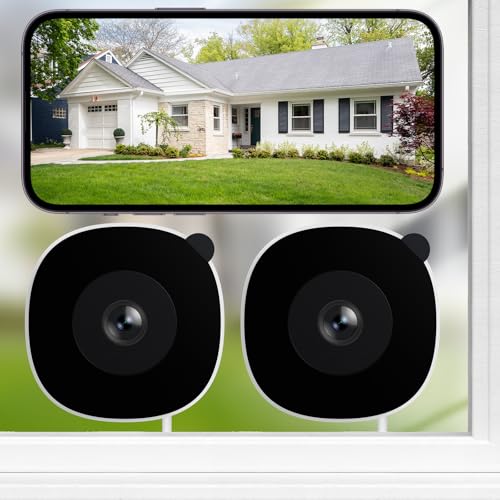
Additionally, wifi-enabled security cameras can be accessed remotely via a smartphone or computer, allowing users to view live footage and receive alerts from anywhere with an internet connection. This remote monitoring capability enhances security and provides peace of mind to users, knowing that they can keep an eye on their property even when they are away.
Reasons Why Security Cameras Use WiFi
1. Easy Installation: Security cameras that run on WiFi are easy to install as they do not require complex wiring or cables. This makes them a popular choice for homeowners and businesses looking for a hassle-free security solution.
2. Remote Access: WiFi-enabled security cameras allow users to access live footage and recordings remotely through a smartphone, tablet, or computer. This provides convenience and peace of mind, especially when away from home or the office.
3. Scalability: WiFi cameras can be easily added or relocated within a network without the need for additional infrastructure. This flexibility allows users to expand their security system as needed without major modifications.
4. Cost-Effective: WiFi cameras are often more cost-effective compared to traditional wired systems, as they eliminate the need for professional installation and expensive cabling. This makes them an attractive option for budget-conscious consumers.
5. Integration with Smart Home Devices: WiFi security cameras can seamlessly integrate with other smart home devices and systems, such as smart lights, thermostats, and voice assistants. This interconnectedness enhances overall home automation and security.
Enhanced Connectivity and Accessibility
Security cameras that run on WiFi offer enhanced connectivity and accessibility compared to traditional wired systems. WiFi-enabled cameras can be easily accessed and controlled remotely through a smartphone, tablet, or computer, allowing users to monitor their property from anywhere with an internet connection.
Additionally, WiFi connectivity enables seamless integration with other smart home devices and systems, providing users with a comprehensive security solution. This connectivity also allows for real-time alerts and notifications, ensuring that users are promptly informed of any suspicious activities or events.
Cost-Effective Installation and Setup
Security cameras running on wifi offer a cost-effective solution for installation and setup. Traditional wired security camera systems require extensive wiring, which can be time-consuming and expensive, especially in larger properties or commercial buildings. With wifi-enabled security cameras, installation is much simpler and quicker, as there is no need for complex wiring.
Moreover, wifi-enabled security cameras can be easily set up by homeowners or business owners without the need for professional installation services. This not only saves on installation costs but also provides the flexibility to place the cameras in optimal locations for maximum coverage.
Remote Monitoring and Control
One of the key advantages of security cameras running on Wi-Fi is the ability to remotely monitor and control them. With a Wi-Fi connection, users can access the camera feed from anywhere with an internet connection, using a smartphone, tablet, or computer. This allows for real-time monitoring of the camera feed, enabling users to keep an eye on their property even when they are not physically present.
Furthermore, Wi-Fi-enabled security cameras often come with mobile apps or web interfaces that allow users to control the camera remotely. This includes features such as adjusting camera angles, zooming in and out, setting up motion detection alerts, and even speaking through the camera’s built-in microphone. The convenience of remote monitoring and control makes Wi-Fi security cameras a popular choice for home and business surveillance systems.
Integration with Smart Home Systems
One of the key reasons security cameras run on WiFi is their seamless integration with smart home systems. WiFi-enabled security cameras can easily connect to your home network, allowing you to monitor your property remotely through your smartphone or other smart devices.
By integrating security cameras with smart home systems, you can set up alerts, create custom automation rules, and even control your cameras using voice commands through virtual assistants like Amazon Alexa or Google Assistant. This level of integration enhances the overall security and convenience of your home surveillance system.
Flexible Placement Options
One of the key advantages of security cameras running on wifi is the flexibility they offer in terms of placement. Since wifi cameras connect to your home network wirelessly, you can easily install them in any location within the range of your wifi signal. This means you can place them in areas that may be difficult to reach with traditional wired cameras, such as high ceilings or outdoor spaces without easy access to power outlets.
Additionally, wifi security cameras are easy to move around and reposition as needed. If you decide to change the layout of your home or office, you can simply unmount the camera and place it in a new location without the hassle of dealing with cables or wiring. This flexibility makes wifi security cameras a convenient and versatile option for home and business security systems.
Improved Security Features
Security cameras that run on wifi offer improved security features compared to traditional wired cameras. With wifi connectivity, security cameras can easily be accessed remotely through a smartphone or computer, allowing homeowners and businesses to monitor their property from anywhere in the world.
Additionally, wifi security cameras often come with advanced encryption protocols to protect the data transmitted between the camera and the viewing device. This ensures that the footage captured by the camera remains secure and cannot be intercepted by hackers or unauthorized users.
| Furthermore, many wifi security cameras offer motion detection capabilities, allowing them to automatically start recording when movement is detected. This feature enhances security by capturing suspicious activities and providing valuable evidence in case of a break-in or trespassing. |
In conclusion, the use of wifi in security cameras not only provides convenience in remote monitoring but also enhances security through advanced encryption and motion detection features.
Efficient Data Transmission
One of the key reasons security cameras run on WiFi is for efficient data transmission. WiFi technology allows for high-speed data transfer over a wireless network, enabling real-time monitoring and recording of footage.
By utilizing WiFi, security cameras can quickly and easily transmit video data to a central monitoring system or cloud storage, ensuring that footage is captured and stored without delay.
Scalability and Expandability
One of the key advantages of security cameras running on WiFi is their scalability and expandability. WiFi technology allows for easy installation and integration of additional cameras into the existing network without the need for extensive wiring or infrastructure upgrades. This makes it simple to expand the surveillance system as needed, whether adding more cameras to cover larger areas or integrating new features and functionalities.
Furthermore, WiFi-enabled security cameras can be easily relocated or repositioned without the hassle of rewiring, providing flexibility in adapting to changing security needs or optimizing camera placement for better coverage. This scalability and expandability make WiFi-based security camera systems a cost-effective and efficient solution for both residential and commercial applications.
Compatibility with Mobile Devices
One of the key reasons why security cameras run on Wi-Fi is their compatibility with mobile devices. By connecting to a Wi-Fi network, security cameras can easily communicate with smartphones, tablets, and other mobile devices. This allows users to remotely access live video feeds, receive alerts, and control the cameras using dedicated mobile apps.
Wi-Fi-enabled security cameras are designed to work seamlessly with iOS and Android devices, providing users with convenient access to their surveillance system from anywhere with an internet connection. This mobile compatibility enhances the overall user experience and makes it easier for users to monitor their property on the go.




I’ve heard that WiFi security cameras can be hacked. How secure are they really?
WiFi security cameras do have security features like encryption to protect against unauthorized access. It's essential to choose reputable brands and regularly update firmware to enhance security.
I love how easy it is to set up my WiFi camera. I moved it from my front porch to the backyard without any hassle!
I’m considering getting a WiFi camera instead of a wired one, but I'm not sure about the reliability. Are WiFi cameras as good as wired ones? What are the main drawbacks?
The remote access feature is a game-changer! I can check on my house while I’m on vacation.
I recently set up a WiFi security camera system at home. The installation was super easy, and I was impressed by how quickly I could access the camera feed on my phone. However, I noticed that it sometimes lags a bit during peak internet usage times. Has anyone else faced this?