
 Carmen J. Moore

Securing your business premises is of utmost importance to protect your assets and ensure the safety of your employees and customers. One effective way to enhance security is by installing security cameras around the perimeter of your property. However, the placement of these cameras plays a crucial role in their effectiveness.
Strategically positioning security cameras can help in deterring crime, monitoring activities, and providing valuable evidence in case of any incidents. In this article, we will discuss the key areas where you should consider placing your business security cameras to maximize their effectiveness.
Best Locations for Business Security Camera Placement
When it comes to securing your business premises, the right placement of security cameras is crucial. Here are some of the best locations to consider:


Entrances and Exits: Place cameras at all entry and exit points to monitor who is coming in and out of your business.
Perimeter: Install cameras along the perimeter of your property to ensure comprehensive coverage and deter intruders.
Parking Lot: Keep an eye on your parking lot with cameras positioned to capture license plates and monitor activity.
Storage Areas: Protect valuable inventory by placing cameras in storage areas to prevent theft and monitor access.
High-Traffic Areas: Position cameras in high-traffic areas such as hallways, lobbies, and common areas to monitor activity and deter misconduct.
By strategically placing security cameras in these key locations, you can enhance the security of your business and provide peace of mind for yourself and your employees.
Front Entrance Camera Placement Tips
Securing the front entrance of your business is crucial for preventing unauthorized access and monitoring visitor activities. Here are some tips for optimal front entrance camera placement:
1. Height and Angle
Position the camera at a height that allows a clear view of the entrance area without any obstructions. Angle the camera slightly downward to capture faces and activities near the entrance.
2. Lighting
Ensure proper lighting around the front entrance to avoid glare or shadows that may affect camera visibility. Use infrared or low-light cameras for nighttime surveillance.
Remember to regularly check and adjust the camera position to maintain optimal coverage of the front entrance area.
Back Entrance and Loading Dock Camera Placement
When considering where to position security cameras around your business perimeter, the back entrance and loading dock are critical areas to cover. These areas are often less visible and can be vulnerable to unauthorized access or theft.
Here are some tips for placing cameras at the back entrance and loading dock:
- Position cameras to capture a clear view of the entrance and loading dock area.
- Ensure cameras are mounted high enough to avoid tampering or obstruction.
- Consider using cameras with night vision capabilities for 24/7 surveillance.
- Install signage to indicate the presence of security cameras as a deterrent.
- Regularly check camera angles and visibility to maintain effective surveillance.
By strategically placing cameras at the back entrance and loading dock, you can enhance security measures and protect your business from potential threats.
Parking Lot and Garage Camera Positioning
When positioning security cameras in parking lots and garages, it is crucial to cover key areas to ensure comprehensive surveillance. Here are some strategic camera placement suggestions:
| Location | Camera Placement |
| Entry and Exit Points | Install cameras at entrances and exits to capture license plates and identify vehicles entering and leaving the premises. |
| Perimeter | Place cameras along the perimeter to monitor the entire parking area and detect any unauthorized access or suspicious activities. |
| Parking Spaces | Position cameras to cover parking spaces, ensuring visibility of vehicles and potential incidents like theft or vandalism. |
| Stairwells and Elevators | For parking garages, consider placing cameras near stairwells and elevators to monitor pedestrian traffic and enhance security in these areas. |
By strategically positioning security cameras in parking lots and garages, businesses can enhance safety, deter criminal activities, and protect both employees and customers.
Interior Office Camera Installation Guide
Installing security cameras in your office can help deter theft, monitor employee activities, and ensure the safety of your workspace. Follow these steps to properly install interior office cameras:
1. Determine the optimal placement: Identify high-risk areas such as entry points, cash registers, and sensitive equipment. Place cameras strategically to capture clear footage of these locations.
2. Consider camera type: Choose between dome, bullet, or PTZ cameras based on your needs. Dome cameras are discreet, bullet cameras are weatherproof, and PTZ cameras offer pan, tilt, and zoom capabilities.
3. Install cameras securely: Use mounting brackets and screws to secure cameras to walls or ceilings. Ensure they are positioned at the right angle for optimal coverage.
4. Connect cameras to a recording device: Use a digital video recorder (DVR) or network video recorder (NVR) to store footage. Make sure the system is set up for remote viewing if needed.
5. Test the system: Check camera angles, motion detection settings, and recording quality. Adjust as necessary to ensure proper functioning.
6. Notify employees: Inform your staff about the presence of security cameras for transparency and compliance with privacy laws.
By following these steps, you can effectively install interior office cameras to enhance security and monitor activities within your workspace.
Perimeter Fence and Gate Camera Setup
When setting up security cameras around the perimeter of your business, it is crucial to pay special attention to the fence and gate areas. These are common entry points for intruders, and having cameras in place can help deter potential threats and provide valuable footage in case of an incident.
Strategic Placement
Position cameras along the perimeter fence to have a clear view of any activity happening outside the property. Ensure that the cameras are placed high enough to avoid tampering and provide a wide-angle view of the surrounding area. Additionally, consider installing cameras near gates to monitor who enters and exits the premises.
It is also recommended to install motion-detection cameras that can alert you when there is movement near the fence or gate. This feature can help you respond quickly to any suspicious activity and take necessary actions to protect your business.
By strategically placing security cameras around the perimeter fence and gate, you can enhance the overall security of your business and create a safer environment for your employees and customers.
Tips for Monitoring Blind Spots with Security Cameras
When setting up security cameras around your business perimeter, it’s crucial to pay special attention to blind spots that may not be covered by your camera placement. Here are some tips to effectively monitor blind spots:
1. Conduct a Site Survey
Start by conducting a thorough site survey to identify potential blind spots in your security camera coverage. Walk around the perimeter of your business and take note of any areas that are not clearly visible from your camera locations.
2. Use Wide-Angle Cameras
Invest in wide-angle security cameras that can provide a broader field of view and cover more area. Position these cameras strategically to minimize blind spots and ensure comprehensive coverage of your business perimeter.
- Mount cameras at corners or intersections to capture multiple angles.
- Angle cameras downward to cover blind spots near the ground.
By following these tips and being proactive in addressing blind spots, you can enhance the effectiveness of your business security camera system and improve overall surveillance coverage.


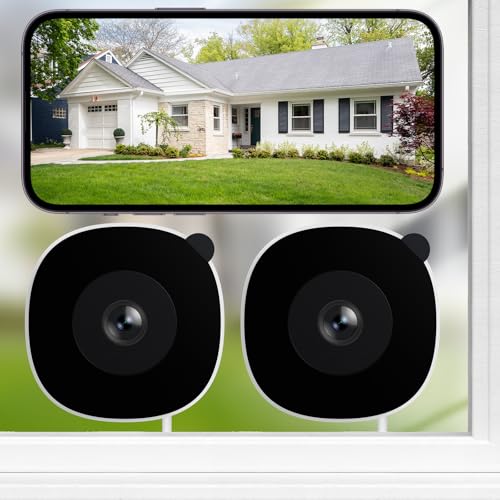
I installed security cameras around my business last year after a few break-ins. Focused on the parking lot and entrance points. The footage has really helped in identifying suspicious activity. I used a mix of PTZ and bullet cameras, and the clarity is impressive, especially at night with infrared. It's given me peace of mind and has even deterred some would-be intruders!
Can you clarify what you mean by 'monitoring blind spots'? How do I effectively identify them in my space?
I recently installed security cameras around my business, and I focused heavily on entry points and the parking lot. I found that having cameras near the loading dock has helped deter theft significantly since we had some issues in the past. I also added signage to remind people that cameras are in use. It's been a great investment!
That's really helpful to know! Did you find it difficult to install the cameras yourself, or did you hire someone?
Could you clarify how often we should check the camera angles and recording quality? Is there a recommended schedule?
What specific camera models do you recommend for outdoor use, particularly for the parking lot and perimeter? I want something durable and effective for low-light conditions.
I recently installed security cameras at my store, and I can definitely say that having them at all entry points has made a significant difference. We’ve had fewer incidents since we installed them, especially at the back entrance. One thing I would suggest is to ensure that the cameras are not only visible but also positioned high enough to avoid tampering.
We recently installed cameras at our loading dock, and it has really improved our security! The clarity at night is impressive with the night vision feature.
What are some specific brands or models of security cameras that work well for outdoor perimeter security? I've been looking but get overwhelmed by the options.
What are some common mistakes people make when positioning security cameras? I want to ensure I avoid any pitfalls.
Great point! Another common mistake is overlooking blind spots. It's essential to conduct a site survey to identify areas that may not be visible.
I think one mistake is not considering the lighting. Poor lighting can really affect visibility, especially at night.
I’m debating between dome and bullet cameras. I like that dome cameras are discreet, but bullet cameras seem more durable for outdoor use. What’s the best choice for different business types?
Dome cameras are often better for indoor use due to their discreet nature, while bullet cameras are ideal for outdoor environments since they are more weatherproof and can capture longer distances. The choice often depends on the specific needs of your business.
I recently installed cameras around my store's perimeter, and it made a huge difference. We placed them at all entry points and in the parking lot, which has reduced theft significantly. One tip I found helpful was to use signage indicating that cameras are in use—it seems to deter suspicious activity right away!
Thanks for sharing your experience! Signage can indeed be a strong deterrent. If you have any specific camera models or features that worked well for you, feel free to share!
I think relying too much on cameras can create a false sense of security. It's important to have physical security measures in place as well, not just cameras alone.
That's a valid point. While cameras are an important part of a security system, it's best to combine them with other security measures like alarms and physical barriers for comprehensive protection.