
 Carmen J. Moore

Security cameras are a common feature in public spaces, businesses, and even private residences. They are used to monitor and protect property, deter crime, and enhance safety. However, when it comes to installing security cameras in sensitive areas like locker rooms, the legality and ethical considerations become more complex.
Locker rooms are spaces where individuals expect a high level of privacy and confidentiality. They are used for changing clothes, showering, and other personal activities. In many jurisdictions, the law recognizes the sensitive nature of locker rooms and provides certain protections to ensure the privacy and dignity of individuals using these facilities.

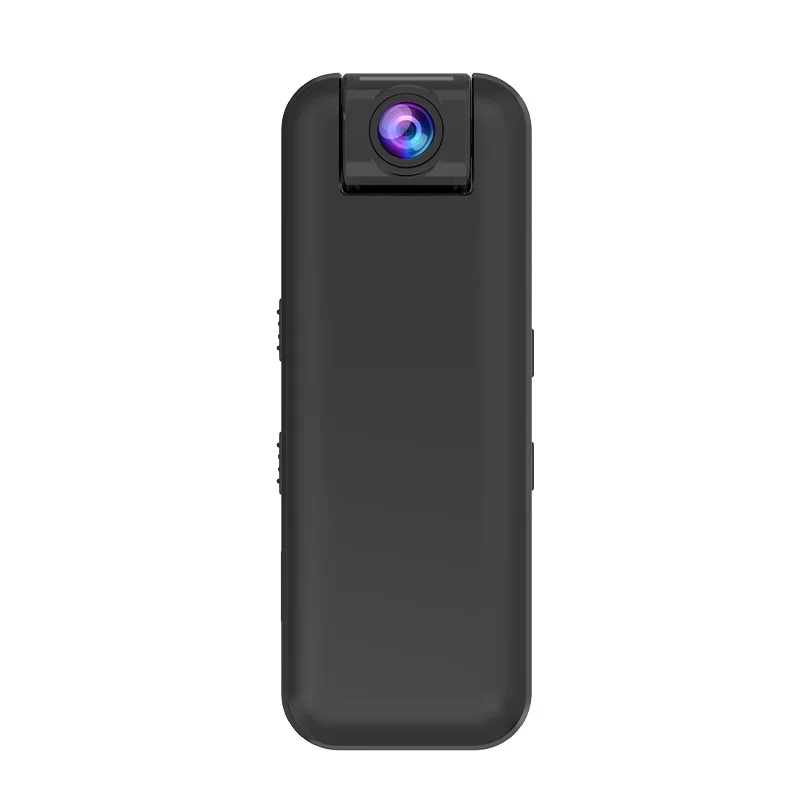
As a general rule, it is illegal to install security cameras in locker rooms without the explicit consent of the individuals being monitored. This is because locker rooms are considered private spaces where individuals have a reasonable expectation of privacy. Unauthorized surveillance in locker rooms can violate privacy laws and lead to legal consequences for the individuals or entities responsible for the cameras.
Privacy laws and locker rooms
Privacy laws vary by jurisdiction, but in general, there are strict regulations governing the use of security cameras in locker rooms. Locker rooms are considered private spaces where individuals have a reasonable expectation of privacy. As such, recording or monitoring individuals in locker rooms without their consent is likely to be a violation of privacy laws.
In many jurisdictions, it is illegal to install security cameras in locker rooms or any other areas where individuals undress or engage in private activities. Violating these laws can result in serious legal consequences, including fines and potential criminal charges.
It is important for businesses and organizations to be aware of privacy laws and regulations regarding the use of security cameras in locker rooms. Prior to installing any surveillance equipment in such areas, it is advisable to consult with legal counsel to ensure compliance with all relevant laws and regulations.
Laws regarding surveillance in private areas
When it comes to surveillance in private areas such as locker rooms, there are strict laws and regulations in place to protect individuals’ privacy rights. In most jurisdictions, it is illegal to install security cameras in areas where individuals have a reasonable expectation of privacy, such as locker rooms, bathrooms, and changing rooms.
Violating these laws can result in serious legal consequences, including fines and potential criminal charges. It is important to always seek legal advice and ensure compliance with local laws before installing surveillance cameras in private areas.
Security camera regulations in public spaces
In public spaces, the use of security cameras is subject to certain regulations to protect the privacy and rights of individuals. Here are some key points to consider:
- Consent: In most jurisdictions, it is illegal to install security cameras in places where individuals have a reasonable expectation of privacy, such as locker rooms, bathrooms, and changing areas, without explicit consent.
- Notification: If security cameras are installed in public spaces, it is generally required to provide visible signage notifying individuals of their presence.
- Recording: The recording of audio is often subject to stricter regulations than video recording. In some places, it may be illegal to record audio without the consent of all parties involved.
- Data protection: It is important to protect the data collected by security cameras to prevent unauthorized access, disclosure, or misuse.
- Access: Individuals have the right to request access to footage recorded by security cameras that capture their personal information.
Legal considerations for installing cameras in locker rooms
When considering installing security cameras in locker rooms, it is crucial to understand the legal implications and requirements surrounding such surveillance. Here are some key legal considerations to keep in mind:
1. Privacy laws
Privacy laws vary by jurisdiction, but in general, individuals have a reasonable expectation of privacy in locker rooms. Installing cameras in these areas could potentially violate privacy laws and lead to legal repercussions.
2. Consent
It is essential to obtain consent from individuals before recording them in a locker room. This consent should be clearly communicated and documented to ensure compliance with privacy regulations.
- Inform individuals about the presence of cameras in locker rooms.
- Provide a way for individuals to opt-out of being recorded, such as designated areas without cameras.
By following these legal considerations and obtaining proper consent, you can mitigate the risk of legal issues associated with installing security cameras in locker rooms.
Potential legal issues with camera placement
When considering installing security cameras in locker rooms, there are several potential legal issues that need to be carefully considered. One of the main concerns is privacy invasion, as locker rooms are considered private spaces where individuals have a reasonable expectation of privacy.
Depending on the jurisdiction, there may be specific laws or regulations that prohibit the use of surveillance cameras in areas where individuals undress or engage in personal activities. Violating these laws can result in legal consequences, including fines and lawsuits.
It’s important to also consider the issue of consent. In some places, individuals must be notified of the presence of security cameras and give their explicit consent to be recorded. Failing to obtain proper consent can lead to legal challenges.
Furthermore, if security cameras are placed in locker rooms, there is a risk of capturing sensitive and intimate images of individuals without their knowledge. This raises concerns about potential misuse of the recorded footage, which can result in legal liabilities.
In conclusion, before installing security cameras in locker rooms, it’s crucial to consult with legal experts to ensure compliance with privacy laws and regulations to avoid potential legal issues.
Steps to ensure legal compliance with locker room cameras
1. Consult with legal experts: Before installing security cameras in locker rooms, it is crucial to seek advice from legal professionals who specialize in privacy laws. They can provide guidance on the legal requirements and restrictions related to surveillance in such sensitive areas.
2. Post clear signage: To ensure transparency and compliance with privacy laws, it is essential to prominently display signs indicating the presence of security cameras in locker rooms. These signs should inform individuals that they are being monitored and the purpose of the surveillance.
3. Limit camera placement: Place security cameras only in public areas of the locker room where individuals do not have a reasonable expectation of privacy, such as entrances and common areas. Avoid placing cameras in private changing areas or restrooms.
4. Restrict access to recordings: Implement strict protocols to control access to recorded footage from locker room cameras. Only authorized personnel should be allowed to view or retrieve recordings, and they should do so for legitimate security reasons only.
5. Regularly review and update policies: Stay informed about changes in privacy laws and regulations that may impact the use of security cameras in locker rooms. Update your policies and procedures accordingly to ensure ongoing legal compliance.


How do locker room camera policies compare to those in bathrooms? I feel both should be treated the same due to privacy concerns.
That's a valid point. Both locker rooms and bathrooms are private areas, and most jurisdictions have strict laws against surveillance in both without consent.
I used to work at a gym that had cameras in the locker room, and it made a lot of members uncomfortable. They should definitely have more transparency about it.
I disagree that cameras should be allowed anywhere near locker rooms. Privacy should always come first, no exceptions.
I disagree with the idea that all camera surveillance is bad. In some situations, like in places prone to theft, I think it’s necessary. There should be a balance between safety and privacy. What do you all think?
I see your point, but I think there are other ways to ensure safety without invading personal privacy. Maybe security personnel would be a better option.
What are the specific laws regarding security cameras in locker rooms? I'm curious about how these laws vary by state or country.
I've worked at a gym that had cameras in the main area, but they made sure to keep them out of the locker rooms, which I think is important for privacy.
It's surprising how many businesses overlook the legalities of camera installation in private areas. Preventing legal issues should always come first!
Just to clarify, does this mean that if a gym has cameras, they must have clear warning signs indicating this?
Yes, clear signage is usually required to notify individuals of the presence of cameras, which helps ensure transparency and compliance with privacy laws.
What are the specific laws regarding camera surveillance in locker rooms? Are there any exceptions to the general rules mentioned in the article?
I understand that consent is crucial, but how do businesses typically handle this? Is there a standard practice for informing patrons about the presence of cameras?
Does anyone know if there are exceptions to these laws for certain types of facilities, like schools or sports clubs?
It’s surprising how many places still don’t understand the legal implications of installing cameras in sensitive areas like locker rooms.
At my gym, they have cameras in the locker room, but they're only pointed at the entrances. I appreciate that they respect privacy while still keeping an eye on security. It makes me feel safer. Has anyone else had a similar experience?
What are the potential legal consequences if someone installs cameras in locker rooms without consent?