
 Carmen J. Moore

Cloud storage has become a popular option for storing data and files, but is it a good choice for security cameras? Many people are turning to cloud storage for their security camera footage due to its convenience and accessibility. With cloud storage, you can access your footage from anywhere with an internet connection, making it easy to monitor your property remotely. Additionally, cloud storage offers a secure way to store your footage, protecting it from theft or damage.
One of the main advantages of using cloud storage for security cameras is the ability to store large amounts of data without taking up physical space. This is especially beneficial for businesses with multiple cameras recording footage 24/7. Cloud storage allows for easy scalability, so you can expand your storage capacity as needed without having to invest in additional hardware.
However, some may have concerns about the security of cloud storage for sensitive security camera footage. It’s important to choose a reputable cloud storage provider that offers encryption and other security measures to protect your data. Additionally, consider the privacy implications of storing your footage in the cloud and ensure you are compliant with any relevant data protection regulations.
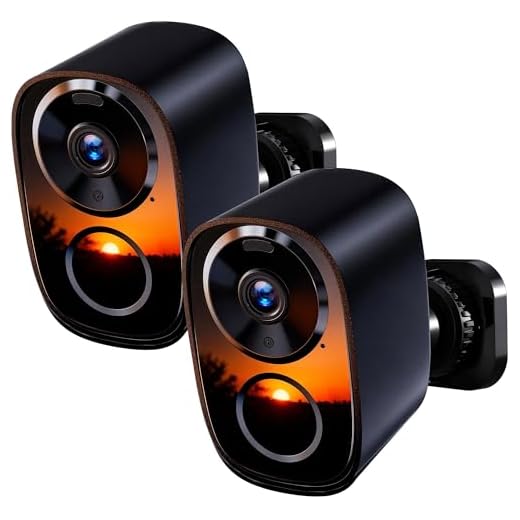


Is Cloud Storage Secure for Security Cameras?
Cloud storage is a popular option for storing data from security cameras due to its convenience and accessibility. However, many people wonder if cloud storage is secure enough to protect their sensitive footage.
Cloud storage providers use encryption to secure data in transit and at rest. This means that your footage is protected from unauthorized access while being uploaded or stored on the cloud servers.
Additionally, reputable cloud storage providers have robust security measures in place to prevent data breaches and unauthorized access to your footage. They often have data centers with physical security measures, such as biometric access controls and surveillance cameras.
It is essential to choose a reputable cloud storage provider that prioritizes security and data protection to ensure the safety of your security camera footage.
Benefits of Cloud Storage for Security Cameras
Cloud storage offers several advantages for security cameras:
1. Remote access: With cloud storage, you can access your camera footage from anywhere with an internet connection, allowing you to monitor your property even when you’re not physically present.
2. Secure data storage: Cloud storage providers offer robust security measures to protect your footage from unauthorized access, ensuring that your recordings are safe and secure.
3. Scalability: Cloud storage allows you to easily expand your storage capacity as needed, without the need for additional hardware or infrastructure upgrades.
4. Redundancy: Cloud storage systems typically have multiple backups and redundancies in place, reducing the risk of data loss due to hardware failure or other issues.
5. Easy sharing: With cloud storage, you can easily share footage with law enforcement, neighbors, or other parties when needed, facilitating investigations and improving security.
Overall, cloud storage offers a convenient and secure solution for storing and accessing security camera footage, making it an excellent choice for protecting your property.
Encryption for Data Security
Encryption plays a crucial role in ensuring the security of data stored on cloud storage for security cameras. By encrypting the data, it is transformed into a code that can only be accessed with the correct decryption key. This means that even if unauthorized users gain access to the stored data, they will not be able to decipher it without the key.
Most reputable cloud storage providers use strong encryption methods to protect data, including both data in transit and at rest. This helps to prevent data breaches and unauthorized access to sensitive information captured by security cameras. Additionally, encryption helps to comply with privacy regulations and standards, providing peace of mind to users.
It is important for users to understand the encryption methods used by their chosen cloud storage provider and ensure that proper encryption protocols are in place to safeguard their data effectively.
Remote Access and Monitoring
One of the key benefits of using cloud storage for security cameras is the ability to remotely access and monitor your camera footage. With cloud storage, you can view live or recorded video footage from your security cameras from anywhere with an internet connection. This means you can check in on your home or business even when you’re away, giving you peace of mind and the ability to respond quickly to any security issues that may arise.
Additionally, cloud storage often offers features such as motion detection alerts and notifications, allowing you to stay informed about any suspicious activity in real-time. This remote access and monitoring capability can be invaluable for home security, business surveillance, or any other situation where keeping an eye on your property is important.
Cost-Effectiveness of Cloud Storage
Cloud storage offers a cost-effective solution for storing security camera footage. With cloud storage, you don’t need to invest in expensive hardware or worry about maintenance costs. You can choose a subscription plan based on your storage needs, which can be more affordable than setting up your own on-premises storage system. Additionally, cloud storage providers often offer scalability options, allowing you to easily expand your storage capacity as your needs grow without significant upfront costs.
Scalability and Flexibility of Cloud Storage
One of the key benefits of using cloud storage for security cameras is its scalability and flexibility. With cloud storage, you can easily increase or decrease your storage capacity based on your needs without having to invest in additional hardware or infrastructure. This scalability allows you to adapt to changing storage requirements without the hassle of managing physical storage devices.
Furthermore, cloud storage offers flexibility in terms of access and sharing. You can securely access your stored data from anywhere with an internet connection, making it convenient for monitoring and managing security camera footage remotely. Additionally, cloud storage solutions often provide easy sharing options, allowing you to securely share footage with authorized users or law enforcement if needed.
Backup and Disaster Recovery Options
When it comes to security cameras, having a reliable backup and disaster recovery plan is crucial. Cloud storage offers a convenient option for storing your camera footage off-site, ensuring that your data is safe even if your physical storage devices are damaged or stolen.
Most cloud storage services provide automatic backup features, which can help you recover your footage quickly in case of a system failure or a security breach. Additionally, cloud storage allows you to access your camera footage from any location, providing flexibility and convenience in managing your security system.
| Backup Option | Benefits |
|---|---|
| Cloud Storage | Off-site storage, automatic backups, remote access |
| Local Storage | Easy access, lower cost, physical control |
While cloud storage is a popular choice for backup and disaster recovery, it’s essential to have a secondary backup option to ensure redundancy and data protection. Local storage solutions, such as NAS devices or external hard drives, can complement your cloud storage strategy and provide an additional layer of security for your camera footage.
Integration with Smart Home Devices
Cloud storage for security cameras offers seamless integration with smart home devices, allowing users to access and control their cameras remotely through their smartphones, tablets, or voice assistants. This integration enables users to receive real-time alerts, view live footage, and playback recordings from anywhere with an internet connection.
Benefits of Integration
- Convenience: Users can easily monitor their security cameras from any location, providing peace of mind and convenience.
- Automation: Users can set up automated routines and alerts based on the camera’s activity, enhancing security and surveillance capabilities.
- Compatibility: Cloud storage services often support a wide range of smart home devices, ensuring seamless connectivity and interoperability.
Regulatory Compliance and Data Protection
When considering cloud storage for security cameras, it is crucial to ensure regulatory compliance and data protection. Many industries, such as healthcare and finance, have strict regulations regarding the storage and handling of sensitive data.
Cloud storage providers must adhere to these regulations to ensure data security and privacy. It is essential to choose a cloud storage provider that complies with industry standards and regulations, such as HIPAA for healthcare data or GDPR for personal data protection in the European Union.
Potential Risks of Using Cloud Storage for Security Cameras
While cloud storage offers many benefits for storing security camera footage, there are also potential risks that users should be aware of:
| 1. Data Breaches | Unauthorized access to cloud storage servers can lead to data breaches, compromising the security of your camera footage. |
| 2. Internet Connectivity Issues | If your internet connection is unstable or goes down, you may not be able to access or store your camera footage in the cloud. |
| 3. Privacy Concerns | There is a risk that your camera footage stored in the cloud could be accessed by third parties without your consent, raising privacy concerns. |
| 4. Dependence on Third-Party Providers | Relying on a third-party cloud storage provider means you are dependent on their security measures and policies to protect your data. |
| 5. Subscription Costs | Using cloud storage for security cameras may involve subscription costs, which can add up over time and become a financial burden. |
Choosing the Right Cloud Storage Provider
When selecting a cloud storage provider for your security cameras, it is crucial to consider several key factors to ensure the safety and security of your data.
1. Data Encryption: Look for a provider that offers end-to-end encryption to protect your footage from unauthorized access.
2. Data Retention Policies: Understand the provider’s data retention policies to ensure that your footage is stored for an appropriate amount of time.
3. Compliance and Certifications: Choose a provider that complies with industry standards and holds relevant certifications to guarantee data security.
4. Scalability: Select a provider that can easily scale with your needs as your security camera network grows.
5. Reliability and Uptime: Ensure that the provider has a strong track record of reliability and high uptime to prevent any data loss or downtime.
By carefully considering these factors, you can choose the right cloud storage provider to ensure the security and integrity of your security camera footage.



Cloud storage is great for scalability! It really helps to not have to worry about running out of space with multiple cameras.
I don’t think cloud storage is always the best choice. I prefer local storage since I feel like I have more control over my footage.
That's a common perspective! Local storage does provide more control and can save costs in the long run, but cloud storage offers more accessibility and redundancy.
I’m considering cloud storage vs. a local NAS system for my security cameras. Can anyone share their thoughts on the pros and cons of each?
Is it safe to store sensitive footage in the cloud? I'm worried about privacy and data breaches.