
 Carmen J. Moore

Home security is a top priority for many homeowners, and installing an indoor camera system is a great way to enhance the safety of your living space.
With advances in technology, setting up a home security camera system has become easier and more affordable than ever before. Whether you want to keep an eye on your pets, monitor your children, or protect your home from intruders, an indoor camera system can provide you with peace of mind.
In this article, we will discuss the benefits of installing an indoor camera system, the different types of cameras available, and provide you with step-by-step instructions on how to set up your own home security system.


Essential steps for setting up a home security indoor camera system
Setting up a home security indoor camera system is a crucial step in safeguarding your property and loved ones. Follow these essential steps to ensure proper installation and functionality:
| 1. | Choose the right camera: | Start by selecting a high-quality indoor camera that meets your needs, such as resolution, field of view, and night vision. |
| 2. | Select a strategic location: | Place the camera in a position that covers the most vulnerable areas of your home, such as entry points or valuable possessions. |
| 3. | Install the camera: | Follow the manufacturer’s instructions to mount the camera securely on a wall or ceiling for optimal coverage. |
| 4. | Connect to power and Wi-Fi: | Ensure the camera is plugged into a power source and connected to your home Wi-Fi network for remote access. |
| 5. | Set up the camera software: | Download the camera’s app or software to configure settings, such as motion detection, alerts, and recording options. |
| 6. | Test the system: | Perform a test run to check the camera’s functionality, image quality, and remote viewing capabilities. |
| 7. | Monitor and maintain: | Regularly check the camera’s performance, adjust settings as needed, and ensure the system is up-to-date with firmware updates. |
Choosing the right indoor camera for your home security
When setting up a home security indoor camera system, it is crucial to choose the right camera for your specific needs. Here are some factors to consider when selecting an indoor camera:
1. Resolution and video quality
Look for indoor cameras with high resolution and good video quality to ensure clear images and recordings. A camera with at least 1080p resolution is recommended for optimal clarity.
2. Field of view
The field of view of the camera determines how much area it can cover. Consider the size of the room and the angles you need to monitor when choosing an indoor camera with an appropriate field of view.
Remember to also consider features like night vision, two-way audio, motion detection, and remote access when selecting an indoor camera for your home security system.
Determining the Best Placement for Your Indoor Security Cameras
When setting up your indoor security camera system, the placement of the cameras plays a crucial role in maximizing their effectiveness. Here are some tips to help you determine the best placement for your indoor security cameras:
1. Consider the Entry and Exit Points
Place cameras near entry and exit points such as doors and windows to capture any suspicious activity as people enter or leave your home.
2. Cover High-Traffic Areas
Position cameras in high-traffic areas like hallways, living rooms, and staircases to monitor movements and activities throughout your home.
By strategically placing your indoor security cameras, you can enhance the overall security of your home and have better surveillance coverage.
Setting up your indoor camera system for optimal coverage
When setting up your indoor camera system, it is important to strategically place the cameras to ensure optimal coverage of your home. Here are some tips to help you get the most out of your indoor security cameras:
| 1. Choose the right locations: | Place your cameras in high-traffic areas, entry points, and vulnerable spots in your home to maximize coverage. |
| 2. Angle your cameras: | Position your cameras at a downward angle to capture faces and activities, rather than just the tops of heads. |
| 3. Avoid obstructions: | Make sure there are no obstructions like furniture, plants, or curtains blocking the view of your cameras. |
| 4. Test camera placement: | Before permanently installing your cameras, test different locations to see which angles provide the best coverage. |
| 5. Consider camera resolution: | Choose cameras with high resolution and wide-angle lenses for clear images and maximum coverage. |
Connecting your indoor cameras to a monitoring system
Once you have set up your indoor security cameras, the next step is to connect them to a monitoring system for remote access and surveillance. Here are the steps to connect your cameras:
- Choose a monitoring system that is compatible with your indoor cameras. Make sure the system offers features like live streaming, motion detection, and cloud storage.
- Install the monitoring system software on your computer or mobile device. Follow the instructions provided by the manufacturer to set up the software.
- Connect your indoor cameras to the monitoring system using the provided cables or through a wireless connection. Ensure that the cameras are powered on and connected to your home Wi-Fi network.
- Once the cameras are connected, access the monitoring system on your computer or mobile device. You should be able to view live feeds from your indoor cameras and adjust settings like motion sensitivity and recording options.
- Set up alerts and notifications on the monitoring system to receive updates on any detected motion or security events in your home. This will help you stay informed and take necessary actions in real-time.
By following these steps, you can easily connect your indoor cameras to a monitoring system and enhance the security of your home. Make sure to regularly check the monitoring system for any issues or updates to ensure smooth operation of your indoor camera system.
Testing and optimizing your home security indoor camera system
Once you have set up your home security indoor camera system, it is essential to test and optimize its performance to ensure maximum security for your home. Here are some steps to help you test and optimize your camera system:
1. Test camera angles and positioning
Make sure to test different camera angles and positions to capture the best view of your home. Adjust the cameras to cover all entry points and critical areas while avoiding blind spots.
2. Check camera connectivity
Test the connectivity of your cameras to ensure they are properly connected to the network and can transmit footage without interruptions. Check for any Wi-Fi signal issues that may affect camera performance.


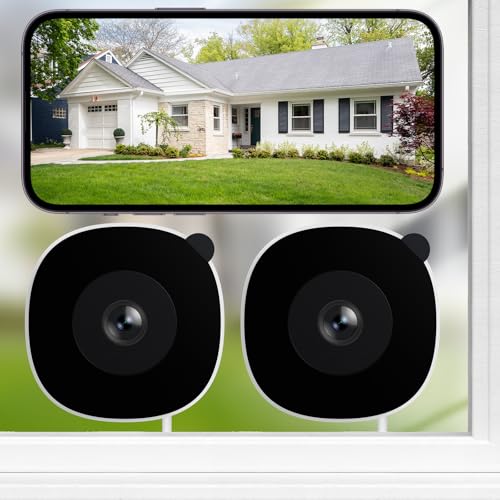
Can anyone explain how to connect the cameras to a monitoring system? I’m not very tech-savvy and could use some step-by-step help.
I disagree with the idea that all indoor cameras need night vision. In a well-lit home, it doesn't seem necessary. I'd rather save money and get a basic model. What do you think?
I see your point, but I think night vision is important for anyone with low-light areas, like a hallway at night.
I recently set up a camera system and placed mine near the front door. It's been really helpful for monitoring deliveries.