
 Carmen J. Moore

Outdoor security cameras are an essential component of any home security system, helping to protect your property and give you peace of mind. However, the effectiveness of your security cameras depends greatly on how they are positioned. Proper positioning can make a significant difference in the quality of footage captured and the overall security of your home.


Choosing the right locations for your outdoor security cameras is crucial. You need to consider the areas of your property that are most vulnerable to break-ins or trespassing. Common areas to place cameras include the front door, back door, garage, and any other entry points. Additionally, consider placing cameras near valuable items or areas where intruders are likely to enter.
When positioning your outdoor security cameras, it’s important to take into account the lighting conditions. Make sure the cameras are not pointed directly at a light source, as this can create glare and affect the quality of the footage. Instead, position the cameras so they have a clear view of the area you want to monitor, while also taking into consideration natural lighting changes throughout the day.
Best Locations for Outdoor Security Cameras
When installing outdoor security cameras, choosing the right locations is crucial to ensure maximum coverage and effectiveness. Here are some of the best locations to position your outdoor security cameras:
1. Front Door
The front door is a common entry point for intruders, making it a crucial location for a security camera. Mounting a camera near the front door can help deter potential burglars and provide clear footage of anyone approaching your home.
2. Backyard
Installing a security camera in the backyard can help monitor your property and prevent unauthorized access. Position the camera to cover key areas such as gates, windows, and outdoor valuables to enhance your home’s security.
- Side Yard
- Garage
- Driveway
By strategically placing outdoor security cameras in these locations, you can enhance your home’s security and have peace of mind knowing that your property is well-protected.
Tips for Properly Mounting Security Cameras
Mounting security cameras properly is essential to ensure optimal coverage and effectiveness. Here are some tips to help you position your outdoor security cameras:
- Choose strategic locations: Place cameras where they have a clear view of entry points, such as doors and windows, as well as high-traffic areas.
- Mount cameras at the right height: Position cameras at a height that provides a good angle for capturing faces and activities, typically between 8-10 feet above the ground.
- Avoid obstructions: Ensure that there are no obstructions in the camera’s view, such as trees, bushes, or walls that could block the line of sight.
- Adjust camera angles: Tilt and swivel the camera to eliminate glare from the sun or other light sources and to optimize the viewing angle.
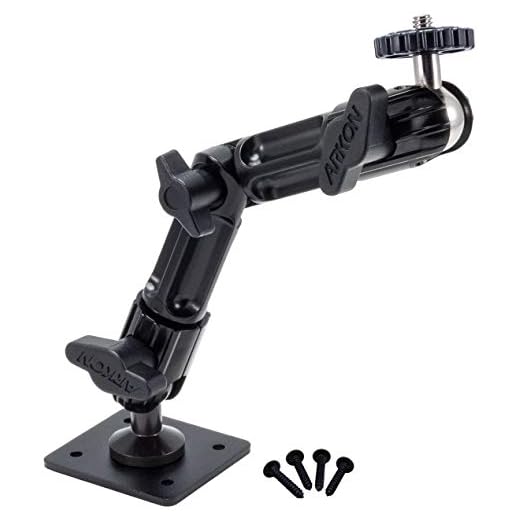
- Securely mount cameras: Use proper mounting hardware to secure cameras to walls or ceilings to prevent tampering or theft.
- Consider weather conditions: Choose weatherproof cameras and install them in locations where they are protected from rain, snow, and extreme temperatures.
Factors to Consider When Positioning Outdoor Cameras
When positioning outdoor security cameras, there are several important factors to consider to ensure optimal coverage and functionality. Here are some key considerations:
1. Line of Sight
Make sure that the camera has a clear line of sight to the area you want to monitor. Avoid obstructions such as trees, shrubs, or buildings that could block the camera’s view.
2. Lighting Conditions
Consider the lighting conditions in the area where the camera will be installed. Ensure that the camera is positioned to avoid glare from direct sunlight or other bright lights, which could affect image quality.
Other factors to consider include:
- Weatherproofing
- Power source
- Angle of view
- Accessibility for maintenance
Importance of Camera Angles and Coverage
When positioning outdoor security cameras, one of the most crucial factors to consider is the angles and coverage provided by the camera placement. Proper camera angles can significantly impact the effectiveness of your security system. Here are some reasons why camera angles and coverage are important:
- Maximizing Coverage: By carefully selecting the angles and positions of your outdoor security cameras, you can ensure maximum coverage of your property. This helps eliminate blind spots and provides comprehensive surveillance.
- Deterrence: Visible and well-placed cameras act as a deterrent to potential intruders. A camera with a clear view of the entry points of your property can discourage criminals from attempting a break-in.
- Evidence Collection: Proper camera angles ensure that important details are captured in the footage. This can be critical in identifying suspects, documenting incidents, and providing evidence to law enforcement.
Considerations for Camera Angles and Coverage:
- Height: Mount cameras at an appropriate height to capture faces and activities clearly.
- Angle: Position cameras at angles that cover entry points, windows, and key areas of your property.
- Overlapping: Utilize multiple cameras to ensure there are no blind spots and to provide overlapping coverage.
Avoid Common Mistakes in Camera Placement
When positioning outdoor security cameras, it’s important to avoid common mistakes that can compromise their effectiveness. Here are some key mistakes to avoid:
1. Placing cameras too high or too low: Cameras should be mounted at a height that provides a clear view of the area you want to monitor. Avoid mounting cameras too high or too low, as this can result in blind spots and distorted images.
2. Overlooking potential obstructions: Make sure there are no obstructions such as trees, bushes, or structures blocking the camera’s view. These obstructions can interfere with the camera’s line of sight and reduce its effectiveness.
3. Failing to consider lighting conditions: Cameras should be positioned to take advantage of natural light sources and avoid glare or backlighting. Consider the direction of the sun and other light sources when positioning your cameras.
4. Neglecting to secure cameras properly: Ensure that cameras are securely mounted to prevent tampering or theft. Use weatherproof housing and mounting brackets to protect cameras from the elements.
5. Forgetting to test camera angles: Before finalizing the placement of your outdoor security cameras, test different angles to ensure you have optimal coverage of the area. Adjust the camera’s position as needed to eliminate blind spots.
Enhancing Security Camera Visibility
One important aspect of positioning outdoor security cameras is to ensure optimal visibility. To enhance the visibility of your security cameras:
1. Avoid Obstructions: Make sure that there are no obstructions such as trees, bushes, or walls blocking the view of the camera. Clear the area around the camera to have a clear line of sight.
2. Angle Adjustment: Adjust the angle of the camera to capture the desired area effectively. Position the camera slightly downward to avoid capturing too much sky and ensure a clear view of the ground.
3. Night Vision: If your security camera has night vision capabilities, ensure that there are no bright lights directly facing the camera as it can affect the night vision quality. Position the camera away from direct light sources.
4. Weather Protection: Install the camera in a weatherproof housing to protect it from rain, snow, or extreme temperatures. This will ensure the longevity of the camera and maintain visibility in all weather conditions.
5. Regular Maintenance: Regularly clean the camera lens to remove dust, dirt, or smudges that can obstruct the view. Check the camera position periodically to make sure it is still capturing the desired area effectively.
Ensuring Proper Lighting for Outdoor Cameras
Proper lighting is crucial for the effectiveness of outdoor security cameras. Here are some tips to ensure your cameras have adequate lighting:
- Install motion-activated lights near the camera to illuminate the area when motion is detected.
- Position the camera in a location where it can benefit from natural light during the day.
- Consider installing infrared illuminators to provide additional lighting for night vision cameras.
- Regularly clean the camera lens to prevent dirt and debris from obstructing the view.
- Adjust the camera angle to minimize glare from direct light sources.
Weatherproofing Your Outdoor Security Cameras
When positioning outdoor security cameras, it is crucial to ensure that they are adequately weatherproofed to withstand the elements. Here are some tips to weatherproof your outdoor security cameras:
| 1. Choose Weatherproof Cameras | Opt for cameras specifically designed for outdoor use with an IP rating of at least IP65, which indicates protection against dust and water. |
| 2. Install Protective Housing | Consider installing protective housing or enclosures around your cameras to shield them from rain, snow, and extreme temperatures. |
| 3. Seal Cable Connections | Ensure that all cable connections are properly sealed with waterproof tape or silicone to prevent water damage. |
| 4. Position Cameras Strategically | Avoid placing cameras in areas where they are directly exposed to the elements, such as under eaves or overhangs. |
| 5. Regular Maintenance | Regularly inspect and clean your outdoor security cameras to remove dirt, debris, and moisture that could compromise their performance. |
Maximizing the Effectiveness of Outdoor Security Cameras
Positioning outdoor security cameras strategically is key to maximizing their effectiveness. Here are some tips to help you get the most out of your security system:
1. Height: Mount your cameras at a height that allows them to capture a wide field of view without obstructions. This will help ensure that you can see everything happening in the area you are monitoring.
2. Angle: Position your cameras at an angle that provides a clear view of entry points, such as doors and windows. Avoid pointing the cameras directly into the sun to prevent glare and distortion.
3. Coverage: Place cameras in areas that provide optimal coverage of your property, including driveways, walkways, and other vulnerable spots. Consider the range and resolution of your cameras to ensure they can capture details clearly.
4. Lighting: Ensure that your cameras have adequate lighting to capture clear footage, especially at night. Consider adding additional lighting or infrared capabilities to enhance visibility in low-light conditions.
5. Security: Securely mount your cameras to prevent tampering or theft. Choose weatherproof and durable cameras that can withstand outdoor conditions and potential vandalism.
By following these tips and positioning your outdoor security cameras strategically, you can enhance the effectiveness of your security system and better protect your property.
Regular Maintenance and Monitoring of Cameras
Proper maintenance and regular monitoring of your outdoor security cameras are essential to ensure they function effectively. Here are some tips to keep your cameras in top condition:
- Regularly clean the camera lenses to prevent dirt and debris from obstructing the view.
- Check the camera housing for any signs of damage or wear and tear. Repair or replace any damaged parts promptly.
- Test the camera’s functionality on a regular basis to ensure it is capturing clear footage.
Monitoring Tips:
- Review camera footage periodically to check for any suspicious activity or security breaches.
- Adjust camera angles and settings as needed to optimize coverage and image quality.
By following these maintenance and monitoring tips, you can ensure that your outdoor security cameras are always ready to protect your property.


I don't think it's necessary to place cameras everywhere mentioned in the article. For example, my neighbor only has one camera at the front and it seems to cover everything just fine. Sometimes, too many cameras can look unsightly.
Could you explain more about why camera height is so important?
Great question! The height at which you mount your cameras is crucial because it helps avoid blind spots and captures clearer images of faces and activities. Typically, a height of 8-10 feet is recommended for optimal coverage.
What are the best types of security cameras for outdoor use? Are there specific brands that you would recommend?
Remember to check your camera's software regularly! I’ve had issues with mine not recording due to outdated firmware.
I recently installed cameras around my property using the tips from this article. I placed one at the front entrance and another in the backyard. It's been great for monitoring my kids while they're outside. However, I did have to adjust the angles a couple of times to get them just right, especially to avoid glare from the afternoon sun.