
 Carmen J. Moore

Security cameras are an essential tool for protecting your property and ensuring the safety of your family or employees. However, simply installing cameras is not enough; the placement of these devices plays a crucial role in their effectiveness. Properly planning the placement of security cameras can help maximize their coverage and provide you with the best possible security.
1. Assess Your Property
Before installing security cameras, take the time to assess your property and identify the areas that require monitoring. Consider the layout of your property, the entry points, and any vulnerable areas that may be targeted by intruders. By understanding your property’s unique vulnerabilities, you can determine the best locations for your security cameras.


2. Choose Strategic Locations
When selecting locations for your security cameras, consider placing them at strategic points that offer maximum coverage. Common areas to install security cameras include entryways, driveways, and high-traffic areas. Additionally, consider placing cameras at angles that provide clear views of important areas while minimizing blind spots.
3. Consider Lighting and Weather Conditions
When planning security camera placement, consider the lighting and weather conditions in the areas where the cameras will be installed. Ensure that cameras are positioned in well-lit areas to capture clear footage, and choose weatherproof cameras that can withstand the elements. By taking these factors into account, you can ensure that your security cameras operate effectively in all conditions.
Tips for Optimal Security Camera Placement
1. Identify key areas: Determine the most vulnerable spots around your property where security cameras would be most effective.
2. Consider camera angles: Place cameras at angles that provide maximum coverage while minimizing blind spots.
3. Avoid direct light: Position cameras away from direct sources of light to prevent glare and ensure clear footage.
4. Install at eye-level: Mount cameras at eye-level to capture facial features for easier identification.
5. Weatherproof cameras: Use weatherproof cameras for outdoor placements to ensure durability and longevity.
6. Test camera range: Test the camera’s range and adjust placement accordingly to cover the desired area effectively.
7. Secure camera mounts: Ensure camera mounts are secure and tamper-proof to prevent vandalism or theft.
Determine Your Surveillance Needs
Before you start planning the placement of security cameras, it’s important to determine your surveillance needs. Consider what areas of your property you want to monitor, whether you need to capture faces or license plates, and if you require round-the-clock recording. Identify high-risk areas, blind spots, and entry points that need coverage.
Take into account the purpose of your surveillance system, whether it’s for security, monitoring employees, or keeping an eye on children or pets. Understanding your surveillance needs will help you choose the right type and number of cameras, as well as their placement for optimal coverage.
Assess Vulnerable Areas in Your Property
Before installing security cameras, it is crucial to assess the vulnerable areas in your property. These areas may include entry points like doors and windows, blind spots where intruders can hide, or areas with valuable assets that need extra protection. Take a walk around your property and identify potential weak spots where security cameras can provide the most coverage and protection.
Consider Light and Shadows for Camera Placement
When planning the placement of security cameras, it’s crucial to consider the lighting conditions in the area. Make sure to position the cameras in areas where there is adequate lighting to capture clear images. Avoid placing cameras directly facing sources of bright light, as this can cause glare and wash out the footage.
Additionally, take into account the shadows that may be cast in the area. Shadows can obscure important details or create false alarms in motion detection systems. Position cameras in a way that minimizes the impact of shadows and ensures optimal surveillance coverage.
Choose the Right Type of Security Camera
When planning the placement of security cameras, it’s essential to choose the right type of camera for your specific needs. Different types of security cameras serve different purposes, so it’s crucial to select the one that best fits your requirements.
Consider the following factors when choosing a security camera:
- Indoor vs. Outdoor: Determine if you need an indoor camera, outdoor camera, or a camera that can be used both indoors and outdoors.
- Resolution: Decide on the resolution you need for clear and detailed footage.
- Field of View: Consider the field of view offered by the camera to ensure adequate coverage of the area.
By selecting the right type of security camera, you can enhance the effectiveness of your security system and ensure optimal surveillance coverage.
Avoid Obstructions for Clear Camera Coverage
When planning the placement of security cameras, it is crucial to avoid obstructions that can obstruct the camera’s view. Make sure to keep cameras away from trees, shrubs, or any other objects that may block the line of sight. Additionally, avoid placing cameras behind glass windows or reflective surfaces as they can cause glare and distort the footage. By ensuring clear camera coverage, you can maximize the effectiveness of your security system and capture important details when needed.
Install Cameras at Proper Angles for Maximum Visibility
When installing security cameras, it’s crucial to position them at proper angles to ensure maximum visibility and coverage. Make sure the cameras are tilted slightly downwards to capture faces and activities effectively. Avoid pointing the cameras directly at the ground or too high up, as this can limit their view. Additionally, consider the lighting conditions and potential obstructions in the area when determining the best angle for each camera.
Secure Wiring and Power Sources for Reliable Operation
When planning the placement of security cameras, it is essential to consider the wiring and power sources to ensure reliable operation. Here are some key factors to keep in mind:
1. Conceal Wiring
Make sure to conceal the wiring as much as possible to prevent tampering or damage. Use cable conduits or hide the wires along walls or ceilings to keep them out of sight and secure.
2. Choose Secure Power Sources
Opt for power sources that are secure and reliable. Consider using backup batteries or generators in case of power outages to ensure continuous operation of your security cameras.
By securing the wiring and power sources for your security cameras, you can ensure their reliable operation and enhance the overall security of your property.
Regularly Check and Adjust Camera Positions for Efficiency
After installing security cameras, it is important to regularly check and adjust their positions for optimal coverage and efficiency. Over time, environmental changes, such as the growth of trees or shrubs, can obstruct the camera’s view, reducing its effectiveness. Additionally, changes in lighting conditions or the addition of new structures may require repositioning of the cameras.
Make it a habit to conduct routine inspections of your security camera system to ensure that all cameras are functioning properly and capturing the intended areas. This may involve adjusting the angle, height, or direction of the cameras to maintain clear visibility of critical areas.
Benefits of Regularly Checking and Adjusting Camera Positions:
- Maximize coverage and surveillance capabilities
- Prevent blind spots and ensure comprehensive security
- Adapt to changing environmental conditions


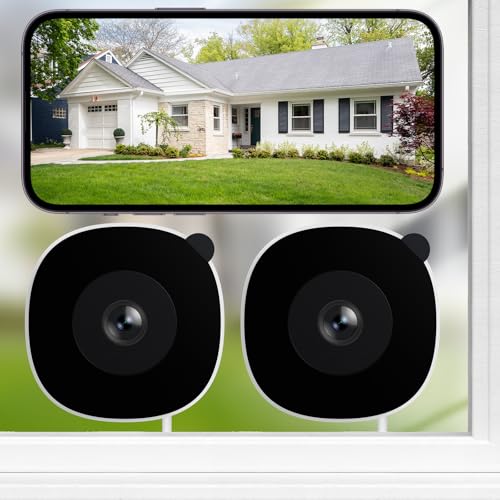
I recently installed cameras around my house. I found that placing them at the corners of the building gave me a broader view of the driveway and entry points. I also avoided placing them near direct sunlight to prevent glare. It made a huge difference in the clarity of the footage, especially at night when we have motion-activated lights. Definitely recommend testing camera angles before final installation!
Thanks for sharing your experience! Testing angles can really help optimize your setup. If you have any more tips or questions, feel free to share!
Just a quick note: Regularly checking camera positions is crucial. I've found that even minor shifts due to weather can affect their performance.
I disagree that you should always install cameras at eye-level. In some cases, higher placements can deter theft better since they are less accessible to tampering.
Can someone clarify what is meant by 'securing wiring'? Is it just about hiding the wires, or are there specific methods to ensure they are tamper-proof?
Securing wiring involves both concealing cables to prevent tampering and using protective conduits. You might also consider anchoring cables to walls or ceilings to further enhance security. Let me know if you have more questions!
How do indoor security cameras differ in effectiveness from outdoor cameras? Is there a significant difference in quality?
Indoor security cameras are often designed with different features than outdoor ones, such as lower weather resistance but enhanced detail for facial recognition. The effectiveness can depend on your specific surveillance needs.
What are the best locations for cameras if I have a large backyard? Should I cover the entire perimeter or focus on specific areas?