
 Carmen J. Moore

When it comes to safeguarding your home and loved ones, security cameras play a crucial role in providing peace of mind and enhancing protection. However, the strategic placement of these cameras is key to maximizing their effectiveness. If you own a single-story house, you have unique opportunities and challenges in positioning security cameras to cover all necessary areas.
Choosing the right locations for your security cameras is essential to ensure comprehensive coverage of your property. By strategically placing cameras at key points, such as entryways, driveways, and blind spots, you can deter potential intruders and monitor activity around your home.


Whether you opt for wired or wireless cameras, proper installation is critical for optimal performance. Consider factors like weather resistance, lighting conditions, and camera angles to achieve the best results. With the right placement and setup, you can enhance the security of your single-story house and enjoy greater peace of mind.
Choosing the Right Security Camera
When selecting security cameras for your single-story house, it’s important to consider several factors to ensure optimal surveillance coverage. Here are some key points to keep in mind:
Resolution:
- Choose cameras with high resolution (1080p or higher) for clear image quality.
- Consider megapixel cameras for capturing more detail.
Camera Type:
- Decide between bullet, dome, or PTZ (pan-tilt-zoom) cameras based on your surveillance needs.
- Consider weatherproof cameras for outdoor installations.
By carefully selecting the right security cameras for your single-story house, you can enhance the safety and security of your property.
Determining the Best Locations
When deciding where to place security cameras on a single-story house, it is important to consider several factors to ensure optimal coverage and security. Here are some key points to keep in mind:
1. Entry Points: Start by focusing on the entry points of your home, such as doors and windows. Place cameras near these locations to capture any potential intruders.
2. Perimeter: Cover the perimeter of your house with cameras to monitor any suspicious activity happening outside your property.
3. Blind Spots: Identify any blind spots where intruders could potentially hide from view and install cameras to eliminate those areas.
4. High Traffic Areas: Consider placing cameras in high traffic areas of your property to capture any movement and activity.
5. Height and Angle: Install cameras at a height and angle that provides a clear view of the area you want to monitor without obstruction.
6. Consider Lighting: Make sure to place cameras in well-lit areas to capture clear footage, especially at night.
By strategically placing security cameras based on these considerations, you can enhance the security of your single-story house and protect your property more effectively.
Installing the Cameras
Before installing the security cameras, make sure to carefully plan their placement. Consider the areas you want to monitor and the best angles to capture footage. Here are some tips for installing the cameras:
1. Mount the cameras at strategic locations
Place the cameras high enough to avoid tampering but low enough to capture clear images. Consider mounting them near entry points, windows, and other vulnerable areas.
2. Ensure proper wiring and power source
Connect the cameras to a power source and route the wiring discreetly to prevent tampering. Consider using wireless cameras for easier installation.
Angle and Positioning
When positioning security cameras on a single-story house, it’s crucial to consider the angle and position for optimal coverage. Here are some tips:
1. Height
Mount the cameras at a height of around 9-10 feet to ensure a good view of the surroundings while preventing them from being tampered with easily.
2. Entry Points
Place cameras near all entry points such as doors and windows to capture any suspicious activity effectively. Ensure the cameras are angled to cover the entire entry point.
Wiring and Power Source
When installing security cameras on a single-story house, it’s crucial to plan the wiring and power source carefully to ensure proper functionality and coverage. Here are some key points to consider:
1. Determine Camera Placement
Before running any wires, decide on the placement of your security cameras. Make sure they cover all entry points, vulnerable areas, and provide clear views of the property. This will help you determine the length of wire needed and the best route for installation.
2. Select Power Source
You have two main options for powering your security cameras: plug-in adapters or PoE (Power over Ethernet). Plug-in adapters are easy to install but may limit camera placement. PoE cameras require a PoE switch or injector but offer more flexibility in positioning.
| Power Source | Pros | Cons |
|---|---|---|
| Plug-in Adapters | Easy installation | Limited camera placement |
| PoE (Power over Ethernet) | Flexible camera positioning | Requires PoE switch or injector |
Connecting to a Monitoring System
Once you have installed your security cameras in strategic locations around your single story house, the next step is to connect them to a monitoring system for surveillance and recording. Here are the steps to connect your security cameras to a monitoring system:
- Choose a reliable monitoring system that is compatible with your security cameras.
- Follow the manufacturer’s instructions to set up the monitoring system.
- Connect each security camera to the monitoring system using the provided cables or wireless connection.
- Configure the monitoring system to view live feeds from the security cameras and set up recording schedules if needed.
- Test the connection to ensure that the monitoring system is receiving video feeds from all the installed cameras.
- Adjust camera angles and settings as necessary to optimize surveillance coverage.
Additional Tips:
- Consider setting up remote access to the monitoring system so you can view camera feeds from your smartphone or computer.
- Regularly check the monitoring system to ensure that all cameras are functioning properly and recording as intended.
Testing and Maintenance
Once your security cameras are installed, it is crucial to regularly test and maintain them to ensure they are functioning properly. Here are some steps you can take to keep your security cameras in top condition:
Regular Testing:
- Check the video feed from each camera regularly to ensure there are no issues with the image quality or recording.
- Test the motion detection and other features of the cameras to make sure they are working as intended.
Maintenance:
- Keep the camera lenses clean and free of debris to maintain clear visibility.
- Inspect the camera housing for any signs of damage or tampering.
- Check and replace any worn-out cables or connectors to prevent connectivity issues.
By following these testing and maintenance procedures, you can ensure that your security cameras continue to provide reliable surveillance for your single-story house.


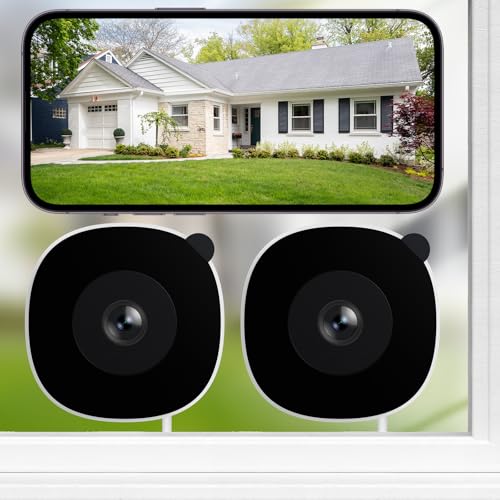
I recently installed security cameras around my single-story home. I placed one at the front door and one covering the driveway. I found that the angle is crucial—too high and you miss details, too low and someone could tamper with them. I also found that using PoE was much easier than running separate power lines for each camera. Just make sure to check the footage regularly to ensure everything is working as it should!