
 Carmen J. Moore

When it comes to setting up a security camera system, one of the most critical decisions you’ll need to make is where to place the cameras. Choosing the right spot for your security cameras can significantly impact the effectiveness of your surveillance system.
Placement is key when it comes to security cameras. You want to ensure that you cover all the vulnerable areas of your property while also considering factors such as lighting, potential obstructions, and camera angles. By strategically placing your cameras, you can maximize their effectiveness and improve the security of your home or business.
Whether you’re installing security cameras indoors or outdoors, it’s essential to consider the purpose of each camera and what you want to achieve with your surveillance system. By carefully planning the placement of your security cameras, you can create a comprehensive security solution that meets your specific needs and provides you with peace of mind.
How to Choose the Best Spot for Installing Security Cameras
When it comes to installing security cameras, choosing the right spot is crucial for effective surveillance. Here are some tips to help you select the best locations for your security cameras:


1. Identify Vulnerable Areas
Start by identifying the areas of your property that are most vulnerable to break-ins or other security threats. These could include entry points like doors and windows, blind spots, or areas with valuable assets.
2. Consider Camera Placement
Place cameras at eye-level to capture clear images of faces and other identifying features. Ensure they are mounted in a way that provides a wide field of view without obstructions like trees or bushes.
- Position cameras high enough to prevent tampering but low enough to capture details.
- Angle cameras to cover all entry points and key areas of your property.
- Consider weather conditions and lighting when choosing camera placement.
By following these guidelines, you can ensure that your security cameras are strategically placed to maximize their effectiveness in protecting your property.
Consider Your Property Layout
When choosing a spot to install security cameras, it is important to consider the layout of your property. Take note of any blind spots or areas that are vulnerable to break-ins. Make sure to cover all entry points such as doors, windows, and gates. Additionally, consider the landscaping and lighting around your property as these can affect the visibility of the camera.
Assess Potential Security Vulnerabilities
Before installing security cameras, it is crucial to assess potential security vulnerabilities on your property. Take a walk around your home or business and identify areas that are most susceptible to break-ins or other security threats. These could include blind spots, dark corners, entry points such as doors and windows, and areas with valuable assets.
Consider the layout of your property and determine where cameras would provide the best coverage. Look for areas that offer a clear view of the surrounding space and can capture any suspicious activity. Additionally, think about factors such as lighting conditions, weather exposure, and potential obstructions that may affect camera placement.
By conducting a thorough assessment of potential security vulnerabilities, you can strategically place security cameras to maximize their effectiveness and enhance the overall security of your property.
Ensure Proper Lighting Conditions
Another crucial factor to consider when choosing the right spot to fix a security camera is the lighting conditions in that area. Proper lighting is essential for capturing clear and high-quality footage. Here are some tips to ensure proper lighting conditions:
1. Natural Light
Place the camera in an area where it can benefit from natural light during the day. Avoid positioning the camera in direct sunlight as it can cause glare and affect the quality of the footage. Instead, look for areas with balanced natural light that provide sufficient illumination without causing overexposure.
2. Artificial Lighting
If the area lacks natural light or if you need to monitor it during the night, consider installing artificial lighting sources. Position the lights strategically to avoid casting shadows or creating bright spots that can obscure the camera’s view. Motion-activated lights can be a good option to save energy and alert you to any activity in the area.
| Tip | Test the camera’s performance in different lighting conditions before permanently fixing it in a spot to ensure optimal footage quality. |
Check for Obstructions
When choosing a spot to install your security camera, make sure to check for any potential obstructions that could affect its view. This includes trees, bushes, walls, and any other objects that could block the camera’s line of sight. Clearing away any obstructions will ensure that the camera has a clear view of the area you want to monitor.
Additionally, be mindful of any reflective surfaces, such as windows or shiny metal objects, that could cause glare or reflections in the camera’s footage. Position the camera in a way that minimizes the potential for these obstructions to interfere with its performance.
Think About Accessibility for Maintenance
When choosing the right spot for your security camera, consider how easy it will be to access for maintenance and adjustments. Opt for a location that is not only secure but also easily reachable. This will ensure that you can perform regular maintenance tasks, such as cleaning the lens or adjusting the angle, without difficulty. A camera placed in a hard-to-reach spot may become neglected and ineffective over time.
Consider Privacy Concerns
When choosing a spot to install your security camera, it’s crucial to consider privacy concerns. Make sure the camera is not pointing towards areas where people have a reasonable expectation of privacy, such as bedrooms, bathrooms, or changing rooms.
Additionally, be mindful of your neighbors’ privacy. Avoid pointing the camera directly into their homes or recording their activities without their consent. It’s important to strike a balance between protecting your property and respecting the privacy of others.
Consult with a Security Professional
When in doubt about the best placement for your security camera, it’s a good idea to consult with a security professional. They can provide expert advice based on your specific needs and the layout of your property. A security professional can recommend the optimal locations for your cameras to maximize coverage and effectiveness.
Additionally, a security professional can help you determine the right type of camera for your needs, whether it’s a fixed camera, PTZ camera, or a combination of both. They can also advise you on important factors such as lighting conditions, potential blind spots, and privacy considerations.
Test the Camera’s Field of View
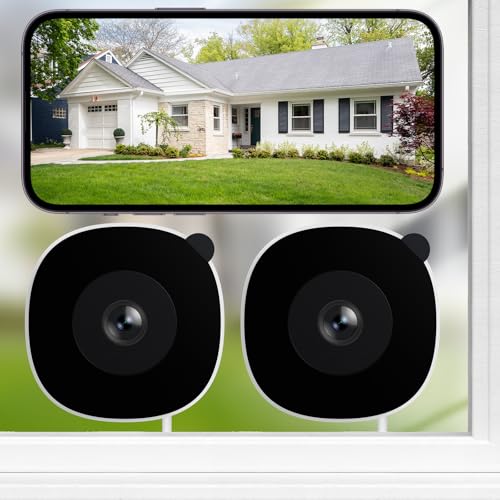
Before permanently installing the security camera, it is essential to test its field of view to ensure that it covers the desired area effectively. Follow these steps to test the camera’s field of view:
- Place the camera in the desired location and power it on.
- Access the live feed on a monitor or smartphone from the camera’s location.
- Walk around the area you want to monitor to see if the camera captures all critical areas.
- Check for blind spots or areas where the camera’s view is obstructed.
- Adjust the camera’s position or angle if needed to optimize the field of view.
By testing the camera’s field of view before installation, you can ensure that it provides the necessary coverage for effective security monitoring.


You mentioned testing the camera’s field of view before installation. Can you clarify what you mean by that? How do I do it?
Testing the field of view involves temporarily placing the camera and then checking the live feed to see if all key areas are captured without obstructions. Walk around and observe the coverage.
I had a hard time deciding where to place my cameras. I started with the front door and back windows, but after a few weeks, I noticed some blind spots. I added a camera to cover a side gate, which turned out to be a great decision! Just make sure to test the angles before finalizing. It really helped improve my peace of mind.
Thanks for sharing your experience! Testing angles is crucial to ensuring comprehensive coverage.
Just a tip: I found that motion-activated lights work wonders for nighttime visibility around my camera placements!
I'm planning to install security cameras around my home. How do I identify the most vulnerable areas effectively? Are there specific spots you recommend?
When you mention checking for obstructions, what specific things should I be on the lookout for?
I found that using motion-activated lights really improved the footage at night. They help minimize shadows and make sure the area is well-lit!
I'm trying to decide between a fixed camera and a PTZ camera. I've heard fixed cameras can provide better quality in one specific area, but PTZ cameras offer more versatility. Which do you all think is better for home security?
I've only ever used fixed cameras, and they've worked well for my front porch, but I can see how PTZ might be better for monitoring wider areas. It really depends on your needs.
When I installed my security cameras, I made the mistake of placing one too high. It captured great footage, but it was hard to adjust later. Make sure to consider how easy it will be to access the camera for maintenance after installation!
I disagree with the idea that cameras should always be at eye-level. Sometimes higher placements give a better overall view, especially in outdoor settings. I've found that higher angles can minimize tampering too.
I disagree with the idea that cameras should always be installed at eye level. Sometimes being higher can avoid tampering and give a better overall view. It really depends on the specific area you're monitoring.