
 Carmen J. Moore

When it comes to securing your home and ensuring the safety of your loved ones, installing a home security camera system is a wise investment. But how much does it cost to have a professional install a home security camera system for you?
The cost of a home security camera installation can vary depending on several factors, including the number of cameras you want installed, the type of cameras you choose, and the complexity of the installation process. It’s important to consider these factors when budgeting for a home security camera system.
While the cost of a home security camera installation may seem daunting, the peace of mind and security it provides are priceless. By investing in a professional installation, you can ensure that your home is protected and your family is safe.


Factors affecting the cost of home security camera installation
When considering the cost of installing home security cameras, several factors can influence the final price. Understanding these factors can help you budget and plan for your installation project. Here are some key factors to consider:
1. Type and number of cameras
The type and number of cameras you choose will directly impact the cost of installation. Basic indoor cameras are typically less expensive to install compared to high-resolution outdoor cameras with advanced features like night vision and motion detection.
2. Installation complexity
The complexity of the installation process will also affect the cost. Installing cameras in hard-to-reach areas or requiring additional wiring and setup can increase the installation cost. Factors like wall material, distance from power sources, and existing infrastructure can impact the complexity of the installation.
Considering these factors and discussing them with a professional installer can help you determine the overall cost of home security camera installation.
Professional Installation vs. DIY
When it comes to installing a home security camera system, you have the option to choose between professional installation or a do-it-yourself (DIY) approach. Each option has its own set of advantages and disadvantages.
Professional Installation
- Professional installation ensures that the cameras are placed correctly and optimally for maximum coverage.
- Technicians have the expertise to integrate the system with your existing home security setup.
- You can rely on professional support and troubleshooting if any issues arise.
DIY Installation
- DIY installation is often more cost-effective as you can save on installation fees.
- You have the flexibility to install the cameras according to your own preferences and needs.
- DIY installation allows you to learn about the system and make adjustments yourself in the future.
Ultimately, the choice between professional installation and DIY depends on your budget, technical skills, and the level of convenience you prefer. Consider your options carefully before making a decision.
Type of security camera system
When considering a home security camera system, there are several types to choose from. The most common options include:
- Wired Cameras: These cameras are connected to a central recording device via cables. They provide a reliable connection but may require professional installation.
- Wireless Cameras: These cameras connect to a central recording device wirelessly, offering more flexibility in placement. They are easier to install but may be susceptible to interference.
- IP Cameras: These cameras connect to the internet and can be accessed and controlled remotely. They offer high-quality video and additional features like motion detection.
- Outdoor Cameras: Specifically designed to withstand outdoor conditions, these cameras are weatherproof and often have night vision capabilities.
- Indoor Cameras: These cameras are typically smaller and more discreet, ideal for monitoring the inside of your home.
Each type of security camera system has its own advantages and considerations, so it’s important to choose the one that best fits your needs and budget.
Number of cameras needed
When determining the number of security cameras needed for your home, several factors should be taken into consideration:
Size of the property
The size of your property will play a significant role in determining the number of cameras required. Larger properties may need more cameras to ensure adequate coverage.
Areas of vulnerability
Identify the areas of your property that are most vulnerable to break-ins or security threats. These areas may require additional cameras to provide better surveillance.
It is recommended to consult with a professional security camera installer to assess your specific needs and recommend the appropriate number of cameras for optimal protection.
Features and capabilities of the system
When considering a home security camera installation, it’s important to understand the features and capabilities of the system you choose. Here are some key aspects to consider:
- Video Quality: Look for cameras with high-resolution video quality to capture clear images.
- Night Vision: Opt for cameras with infrared night vision capability for monitoring in low-light conditions.
- Motion Detection: Choose cameras with motion detection technology to alert you of any movement in the designated area.
- Remote Access: Select a system that allows you to access camera feeds remotely via a smartphone or computer.
Additional Features to Consider:
- Two-Way Audio
- Cloud Storage
- Wireless Connectivity
Additional equipment and accessories
When installing a home security camera system, you may also need to consider additional equipment and accessories to enhance the functionality and effectiveness of your setup. Here are some common items you might need:
- Extra cables and connectors for extending camera reach
- Power adapters and splitters for connecting multiple cameras
- Mounting brackets and hardware for securing cameras in place
- Storage devices such as SD cards or hard drives for recording footage
- Outdoor weatherproof housing for cameras installed outside
- Wireless repeaters or signal boosters for extending Wi-Fi coverage
- Smart home integration devices for controlling cameras remotely
These additional equipment and accessories can vary depending on the specific requirements of your home security camera system installation. Be sure to consult with a professional installer to determine the necessary components for your setup.
Installation location and complexity
When considering the cost of a home security camera installation, the location and complexity of the installation play a significant role. Here are some factors to consider:
- Outdoor vs. indoor: Installing cameras outdoors typically requires weatherproofing and may involve more complex wiring compared to indoor installations.
- Number of cameras: The more cameras you have, the longer the installation process may take, especially if they need to be connected to a central monitoring system.
- Accessibility: Cameras placed in hard-to-reach areas may require additional time and effort to install, impacting the overall cost.
- Existing infrastructure: If your home already has a security system in place, integrating new cameras may be easier and less expensive.
Considering these factors will help you better understand the potential cost of installing home security cameras based on the location and complexity of the installation.


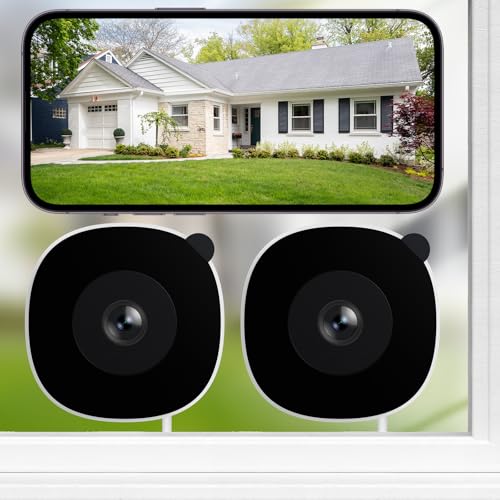
I’m debating between a DIY installation versus hiring a pro. I’ve read that DIY can save money, but what if I don’t install them correctly? Do you think the peace of mind from a professional is worth the extra cost?
I went the DIY route and it was cheaper, but I struggled a bit with the setup. If you're not tech-savvy, a pro might be the better choice.