
 Carmen J. Moore
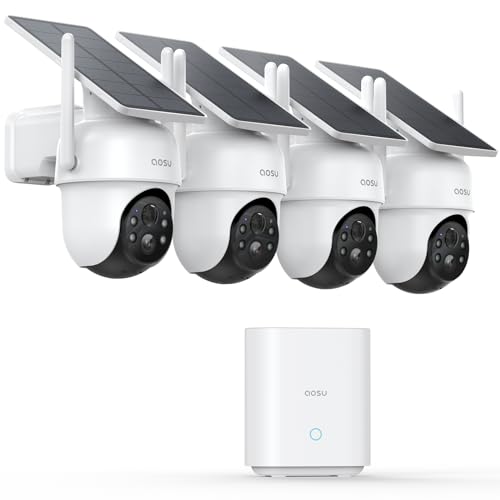
Security cameras have become an essential part of modern surveillance systems, providing valuable footage for monitoring and protecting properties. However, one important consideration when using security cameras is the amount of data they consume.
With the advancement of technology, security cameras are capable of capturing high-resolution videos and images, which require significant storage space and data usage. Understanding how much data is used for security camera use is crucial for optimizing storage capacity and ensuring efficient surveillance.


Factors such as video quality, frame rate, camera placement, and recording duration all contribute to the data usage of security cameras. By managing these factors effectively, users can strike a balance between data consumption and surveillance needs.
Understanding the Data Consumption of Security Cameras
Security cameras play a crucial role in monitoring and safeguarding properties, but have you ever wondered how much data they consume? The data consumption of security cameras varies depending on several factors.
Resolution and Frame Rate
The resolution and frame rate of a security camera significantly impact the amount of data it consumes. Higher resolution cameras with faster frame rates will consume more data compared to lower resolution cameras with slower frame rates.
Compression Technology
Compression technology used by security cameras also affects data consumption. Cameras that use efficient compression algorithms will consume less data without compromising image quality, while cameras with less efficient compression may require more data storage.
Understanding these factors can help you estimate the amount of data your security cameras will consume, allowing you to plan your storage requirements effectively.
Data Usage Overview
When it comes to security camera use, data usage can vary depending on the type of camera, resolution, frame rate, and recording settings. Generally, security cameras use anywhere from 1GB to 4GB of data per day per camera. However, this can increase significantly if the camera is set to record continuously or if it captures high-resolution video.
Data Usage Factors
Factors that impact data usage include the number of cameras in use, the quality of video being recorded, whether the camera is set to record continuously or only when motion is detected, and whether the footage is stored locally or in the cloud.
It’s important to consider data usage when setting up security cameras to ensure that your internet plan can support the amount of data being used.
Factors Affecting Data Consumption
1. Resolution: The higher the resolution of the security camera, the more data it will consume. High-resolution cameras produce clearer images but require more storage space.
2. Frame rate: A higher frame rate means more data is captured per second, leading to increased data consumption. Lowering the frame rate can help reduce data usage.
3. Compression: The type of compression used by the security camera system can impact data consumption. Efficient compression algorithms can reduce the amount of data transmitted and stored.
4. Motion detection: Cameras that are constantly recording consume more data than those that only record when motion is detected. Motion detection settings can help optimize data usage.
5. Continuous recording vs. event-based recording: Continuous recording consumes more data as it captures footage non-stop. Event-based recording, triggered by specific actions or alerts, can be more data-efficient.
Resolution and Frame Rate Impact
Resolution and frame rate are two key factors that impact the amount of data used by security cameras. Higher resolution cameras produce clearer images but also require more data storage. Similarly, cameras with higher frame rates capture more details but consume more data.
For example, a security camera recording at 1080p resolution will use more data than a camera recording at 720p. Likewise, a camera capturing 30 frames per second will require more storage space than one capturing 15 frames per second.
When choosing security cameras, it’s important to consider the balance between image quality and data usage. Higher resolution and frame rates provide better surveillance footage but require more storage capacity and bandwidth.
Compression Techniques Influence
Compression techniques play a crucial role in reducing the amount of data used by security cameras. By compressing video footage, the size of the files can be significantly reduced without compromising on image quality. There are various compression techniques used in security cameras, such as H.264, H.265, and MJPEG.
These compression techniques help to optimize storage space and bandwidth usage, making it more efficient to store and transmit video data from security cameras. The choice of compression technique can have a significant impact on the amount of data used by security cameras, as well as the overall performance of the surveillance system.
When selecting a security camera system, it is important to consider the compression techniques used and their influence on data usage. By choosing the right compression technique, you can ensure that your security camera system is both effective and efficient in capturing, storing, and transmitting video footage.
Storage Requirements Calculation
Calculating the storage requirements for security camera footage is crucial to ensure that you have enough space to store the data effectively. The amount of storage needed depends on several factors such as the resolution of the camera, the frame rate, the compression method used, and the retention period required.
Factors to Consider:
1. Resolution: Higher resolution cameras will produce larger files, requiring more storage space.
2. Frame Rate: A higher frame rate will result in more frames per second, increasing the amount of data captured and stored.
3. Compression: Using compression methods can reduce the file size, but may impact the quality of the footage.
4. Retention Period: The length of time you need to store the footage will determine how much storage space is required.
Network Bandwidth Considerations
When setting up security cameras, it’s crucial to consider network bandwidth requirements. The amount of data used by security cameras can vary depending on factors such as resolution, frame rate, compression, and the number of cameras in use.
Factors affecting network bandwidth:
1. Resolution: Higher resolution cameras will produce larger video files, requiring more bandwidth.
2. Frame rate: A higher frame rate will result in smoother video but also increase the amount of data transmitted.
| Resolution | Frame Rate | Bandwidth Usage |
|---|---|---|
| 720p | 15 FPS | 1 Mbps/camera |
| 1080p | 30 FPS | 2 Mbps/camera |
| 4K | 60 FPS | 8 Mbps/camera |
It’s important to calculate the total bandwidth required for all cameras in the system to ensure smooth video streaming without overloading the network. Consider using network switches with sufficient bandwidth capacity to handle the data flow from security cameras effectively.
Cloud vs Local Storage Options
When it comes to storing security camera data, you have two main options: cloud storage and local storage. Each option has its own advantages and disadvantages, so it’s important to consider your needs and preferences before making a decision.
Cloud Storage
Cloud storage involves storing your security camera footage on remote servers managed by a third-party provider. This option offers the advantage of accessibility from anywhere with an internet connection, as well as off-site backup to protect against theft or damage to local storage devices. However, cloud storage typically involves a monthly subscription fee and may raise concerns about data security and privacy.
Local Storage
Local storage, on the other hand, involves storing your security camera footage on physical devices like hard drives or Network Attached Storage (NAS) devices located on-premises. This option provides greater control over your data and may be more cost-effective in the long run, as you only pay for the initial hardware purchase. However, local storage may be more vulnerable to physical damage or theft, and accessing footage remotely may require additional configuration.
| Criteria | Cloud Storage | Local Storage |
|---|---|---|
| Accessibility | Accessible from anywhere with an internet connection | May require additional configuration for remote access |
| Cost | Monthly subscription fee | Initial hardware purchase cost |
| Security | Concerns about data security and privacy | Greater control over data security |
| Reliability | Off-site backup protection | Potential vulnerability to physical damage or theft |
Tips for Efficient Data Management
Here are some tips to help you manage data efficiently when using security cameras:
1. Set up a data retention policy: Determine how long you need to store the footage from your security cameras and delete any unnecessary data to free up space.
2. Use motion detection: Configure your security cameras to only record when motion is detected, reducing the amount of data stored and making it easier to review footage.
3. Invest in cloud storage: Consider using cloud storage services to store your security camera footage, which can help reduce the reliance on local storage and provide easier access to data.
4. Regularly review and delete old footage: Periodically review your stored footage and delete any old or unneeded recordings to ensure you are only keeping essential data.
5. Optimize camera settings: Adjust the settings on your security cameras to optimize video quality and compression, which can help reduce the amount of data generated without compromising on security.


I’m trying to decide between a 1080p and a 4K security camera. Can someone explain how much more data the 4K camera will use compared to 1080p?
I don't think resolution is the most important factor; my friend has a 720p camera that works just fine. Isn't motion detection a bigger factor in data usage?
While motion detection helps save data, resolution definitely plays a key role in overall image quality, which can be crucial during incidents.
I’m comparing different compression techniques for my new security system. How does H.265 compare to H.264 in terms of data savings without losing too much quality? I’m leaning toward H.265 for better efficiency.
I recently switched from local storage to cloud storage for my security cameras, and the difference in convenience is huge! I can access footage from anywhere. However, I worry about the monthly costs piling up. Has anyone else made this switch?
Can someone clarify the impact of frame rates on data usage? I didn’t realize it would use so much more data.