
 Carmen J. Moore

Security cameras play a crucial role in monitoring and safeguarding various environments, from homes to businesses to public spaces. One of the key factors to consider when installing security cameras is their range of vision – how far out can a security camera see? This question is essential for determining the coverage area and effectiveness of the surveillance system.
The range of a security camera’s vision depends on several factors, including the type of camera, its resolution, the lens focal length, and environmental conditions. In general, modern security cameras can see distances ranging from a few feet to several hundred feet. However, it’s important to note that the actual range may vary based on specific circumstances.


Factors such as lighting conditions, weather, and the presence of obstacles can all affect how far a security camera can see. Additionally, specialized cameras, such as long-range cameras or thermal cameras, can provide enhanced visibility over greater distances. Understanding the capabilities of different types of security cameras is essential for designing an effective surveillance system.
How Far Out Can a Security Camera See
Security cameras come with different ranges and capabilities, allowing them to see varying distances. The range of a security camera depends on several factors, including the type of camera, the lens size, and the resolution.
Generally, security cameras can see anywhere from 20 feet to 100 feet or more. Some advanced cameras with zoom capabilities can even see up to a mile away. The distance a security camera can see also depends on the lighting conditions and the presence of obstacles like walls or trees.
- Standard security cameras typically have a range of 20-100 feet.
- High-definition cameras can see up to 200 feet or more.
- PTZ (pan-tilt-zoom) cameras with zoom capabilities can see even farther, up to a mile away.
It’s important to consider the specific needs of your security setup when choosing a camera with the appropriate range for your location.
Maximum Range of Security Cameras
Security cameras have different ranges depending on their type and specifications. The maximum range of a security camera can vary from a few feet to several hundred feet. In general, most security cameras have a range of 50 to 100 feet for capturing clear images and videos. However, certain high-end cameras with advanced features can have a range of up to 300 feet or more.
Factors that can affect the maximum range of a security camera include the resolution of the camera, the type of lens used, the lighting conditions, and any obstacles or interference in the camera’s line of sight. It’s important to consider these factors when choosing a security camera for your specific needs to ensure optimal coverage and surveillance range.
Factors Affecting Camera Range
When it comes to determining how far out a security camera can see, several factors come into play. These factors can affect the range and clarity of the camera’s footage. Here are some key factors that influence the effective range of a security camera:
1. Camera Resolution
The resolution of a security camera plays a significant role in determining how far it can see. Higher resolution cameras are able to capture clearer images over longer distances compared to lower resolution cameras.
2. Lens Size and Type
The size and type of lens used in a security camera can also impact its range. Cameras with larger lenses are able to capture more light, resulting in better visibility in low-light conditions and longer viewing distances. Additionally, different lens types, such as fixed or varifocal lenses, can affect the camera’s field of view and range.
| Factors | Description |
|---|---|
| Camera Placement | The placement of the camera can impact its range. Cameras placed higher up or in unobstructed locations can see farther compared to cameras placed at ground level or in areas with obstructions. |
| Lighting Conditions | The amount of available light in the camera’s viewing area can affect its range. Cameras may have reduced visibility in low-light conditions, leading to shorter viewing distances. |
| Weather Conditions | Weather conditions such as rain, fog, or snow can impact the range of a security camera. Poor weather conditions can reduce visibility and clarity, limiting the camera’s effective range. |
Impact of Weather Conditions
Weather conditions can significantly affect the visibility of security cameras. For example, heavy rain or snow can obstruct the view of the camera and reduce its effective range. Fog and mist can also interfere with the clarity of the footage captured by the camera. Additionally, extreme temperatures can impact the performance of the camera, causing it to malfunction or produce distorted images.
It is important to consider the weather conditions in the area where the security camera is installed to ensure optimal performance and visibility. Some cameras are designed to withstand harsh weather conditions and maintain clear visibility, while others may require additional protection or adjustments to function effectively in challenging weather environments.
Importance of Camera Placement
Proper camera placement is crucial for maximizing the effectiveness of a security camera system. Placing cameras strategically can significantly enhance the range of coverage and improve the overall security of the area being monitored. It is important to consider factors such as the field of view, lighting conditions, potential obstructions, and the distance from the target area when determining the ideal camera placement.
Maximizing Coverage
By strategically placing cameras at key vantage points, you can ensure that the entire area of interest is covered effectively. This helps to minimize blind spots and provides comprehensive surveillance coverage, allowing you to capture any suspicious activities or incidents that may occur.
Deterring Criminal Activity
Visible security cameras can act as a deterrent to potential criminals, helping to prevent theft, vandalism, and other criminal activities. Placing cameras in prominent locations can make it clear to would-be intruders that they are being watched, increasing the security of the area and reducing the likelihood of security breaches.
Enhancing Camera Visibility
There are several ways to enhance the visibility of security cameras:
1. Positioning: Properly position the camera to maximize its field of view and minimize obstructions.
2. Lighting: Ensure adequate lighting for the camera to capture clear footage, especially in low-light conditions.
3. Cleaning: Regularly clean the camera lens to prevent dirt and debris from affecting visibility.
4. Maintenance: Perform routine maintenance to keep the camera in optimal condition for clear and reliable footage.
5. Upgrading: Consider upgrading to high-resolution cameras or adding additional cameras to improve visibility and coverage.
Technological Advances in Camera Range
In recent years, advancements in camera technology have significantly increased the range at which security cameras can effectively capture images and video. These advances have been driven by improvements in both hardware and software components.
Hardware: High-resolution lenses and sensors now allow security cameras to capture clear images from much greater distances than before. Additionally, infrared and low-light capabilities enable cameras to see in challenging lighting conditions, extending their range even further.
Software: Intelligent video analytics and digital zoom features enhance the effectiveness of security cameras by allowing operators to zoom in on specific areas of interest without compromising image quality. This extends the effective range of the camera without the need for physical adjustments.
Overall, these technological advances have transformed the capabilities of security cameras, enabling them to see further and more clearly than ever before.
Choosing the Right Camera for Your Needs
When selecting a security camera, it is important to consider your specific needs and requirements to ensure that you choose the right camera for your situation. Here are some key factors to keep in mind:
Resolution
One of the most important considerations when choosing a security camera is the resolution. Higher resolution cameras provide clearer and more detailed images, which can be crucial for identifying individuals or objects in the footage. Make sure to select a camera with a resolution that meets your needs.
Field of View
The field of view of a security camera determines how much area the camera can cover. Cameras with a wider field of view are able to capture more of the surrounding area, while cameras with a narrower field of view are better suited for focusing on specific areas. Consider the layout of the area you want to monitor and choose a camera with an appropriate field of view.
| Feature | Consideration |
|---|---|
| Low Light Performance | If you need to monitor areas with low light conditions, choose a camera with good low light performance or consider adding additional lighting. |
| Weather Resistance | For outdoor surveillance, select a camera that is weather-resistant to withstand various environmental conditions. |
| Connection Type | Determine whether you need a wired or wireless camera based on your installation requirements and preferences. |
By considering these factors and conducting thorough research, you can choose a security camera that meets your specific needs and provides the level of surveillance you require.


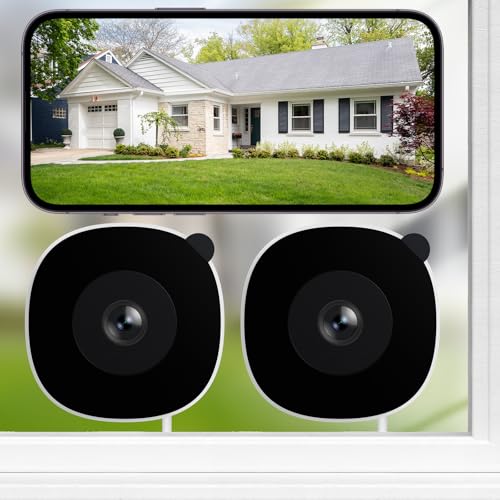
I recently installed a PTZ camera in my backyard, and its zoom capabilities are impressive. I've noticed that it can clearly capture details up to 200 feet away during the day but struggles a bit at night despite having night vision. Anyone else experience this?
Yes, I have a similar camera, and I found that lighting greatly affects its performance at night. I had to add some garden spotlights to improve visibility.
What is the typical range for standard security cameras in residential settings? Are there particular features I should look for?
Standard security cameras typically have a range of 20 to 100 feet, depending on their resolution and lens type. For residential areas, look for cameras with at least 1080p resolution and consider models with wide-angle lenses to enhance coverage.
Can the weather really impact a camera's viewing distance that much?