
 Carmen J. Moore

Wireless home security cameras have revolutionized the way we monitor and protect our homes. These devices offer convenience, flexibility, and peace of mind by allowing homeowners to keep an eye on their property from anywhere in the world.
But have you ever wondered how these cameras actually work? Despite their advanced features, wireless home security cameras operate on a relatively simple principle.


These cameras connect to your home’s Wi-Fi network, allowing them to transmit live video and audio feeds to your smartphone, tablet, or computer. They are equipped with sensors that detect motion or sound, triggering alerts that notify you of any potential security threats.
Understanding Wireless Home Security Cameras
Wireless home security cameras are innovative devices that provide homeowners with a convenient way to monitor their property remotely. These cameras use Wi-Fi to transmit video footage to a connected device, such as a smartphone or computer, allowing users to keep an eye on their home from anywhere.
Key Components:
- Camera: The main component that captures video footage.
- Wi-Fi Connection: Allows the camera to transmit data wirelessly.
- App: An application that users can install on their devices to view the camera feed.
When a wireless home security camera is set up, it connects to the home’s Wi-Fi network and starts sending video data to the designated device. Users can access the live feed or recorded footage through the app, enabling them to monitor their property in real-time or review past events.
Components of a Wireless Camera System
A wireless home security camera system typically consists of several key components that work together to provide surveillance and monitoring capabilities.
1. Camera
The central component of a wireless camera system is the camera itself. This is the device that captures video footage and sends it wirelessly to a receiver or a cloud storage service.
2. Receiver
The receiver is the device that receives the video feed from the camera. It can be a standalone unit or built into a monitoring system or a smartphone app. The receiver is responsible for displaying the video footage in real-time or recording it for later viewing.
Other components of a wireless camera system may include motion sensors, infrared lights for night vision, and a power source such as a battery or a power outlet.
How Wireless Cameras Transmit Data
Wireless home security cameras use Wi-Fi technology to transmit data to the receiver or monitoring system. The camera captures video footage and audio, which is then converted into digital signals. These digital signals are then transmitted wirelessly over the Wi-Fi network to the receiver or monitoring system.
Once the data reaches the receiver, it can be viewed in real-time or recorded for later viewing. The receiver can be a computer, smartphone, or tablet that is connected to the same Wi-Fi network as the camera. Some wireless cameras also come with cloud storage options, allowing the data to be stored securely online for easy access.
Overall, wireless cameras provide a convenient and flexible way to monitor your home or property without the need for cumbersome wires or cables.
Benefits of Using Wireless Cameras
1. Easy Installation: Wireless cameras are easy to install without the need for complicated wiring. You can place them anywhere within the range of your Wi-Fi network.
2. Remote Monitoring: With wireless cameras, you can monitor your home or property remotely from anywhere using a smartphone, tablet, or computer.
3. Flexibility: Wireless cameras offer flexibility in placement, allowing you to move them around easily or add more cameras as needed.
4. Improved Security: Wireless cameras provide an added layer of security to your home by capturing high-definition video footage of any suspicious activity.
5. Alerts and Notifications: Many wireless cameras come with motion detection sensors that can send alerts and notifications to your devices when activity is detected.
6. Integration with Smart Home Devices: Wireless cameras can often be integrated with other smart home devices, allowing for a more connected and automated home security system.
Choosing the Right Wireless Camera
When it comes to selecting a wireless home security camera, there are several factors to consider to ensure you choose the right one for your needs. Here are some key considerations to keep in mind:
1. Resolution and Image Quality
Look for a camera with high resolution to ensure clear and detailed images. High-definition (HD) cameras provide better image quality, making it easier to identify faces and objects in the footage.
2. Field of View
The field of view determines how much area the camera can cover. A wider field of view is ideal for monitoring large spaces, while a narrower field of view may be sufficient for smaller areas. Consider the coverage you need when choosing a camera.
| Feature | Consideration |
|---|---|
| Night Vision | Choose a camera with infrared night vision to capture clear footage in low-light conditions. |
| Two-Way Audio | Some cameras offer two-way audio communication, allowing you to interact with people on the other end. Consider this feature for added security. |
| Storage Options | Check if the camera offers cloud storage or local storage options for saving recorded footage. |
| Mobile App | Look for cameras that come with a mobile app for easy monitoring and control from your smartphone or tablet. |
Installation and Setup of Wireless Cameras
Installing a wireless home security camera is a relatively simple process that can be done by most homeowners. Here are the basic steps to follow:
- Choose a suitable location for the camera that provides a clear view of the area you want to monitor.
- Mount the camera securely using the mounting hardware provided in the package.
- Connect the camera to a power source. Most wireless cameras come with a power adapter that needs to be plugged into an electrical outlet.
- Connect the camera to your home Wi-Fi network. This usually involves following the instructions provided in the camera’s manual to connect to the network using your smartphone or computer.
- Download the camera’s mobile app and follow the setup instructions to configure the camera settings, such as motion detection sensitivity and notification preferences.
- Test the camera to ensure it is working properly and adjust the positioning if needed to get the best view of the area you want to monitor.
Once the camera is installed and set up, you can access live video feeds and receive notifications on your smartphone or computer, providing you with peace of mind and added security for your home.
Maintaining Your Wireless Camera System
Regular maintenance of your wireless camera system is essential to ensure its proper functioning and longevity. Here are some tips to help you maintain your system:
1. Clean the camera lenses: Periodically clean the camera lenses to remove dirt, dust, and smudges that can affect the quality of the video footage.
2. Check the camera placement: Ensure that the cameras are positioned correctly and have a clear line of sight to the areas you want to monitor. Adjust the angles if necessary.
3. Test the camera connections: Regularly check the connections between the cameras, the receiver, and the monitoring device to make sure they are secure and functioning properly.
4. Update the firmware: Check for firmware updates for your cameras and install them to ensure that they have the latest security patches and features.
5. Monitor battery levels: If your cameras are battery-powered, keep an eye on the battery levels and replace them when necessary to avoid interruptions in surveillance.
6. Secure your network: Make sure your wireless network is secure with a strong password and encryption to prevent unauthorized access to your camera system.
By following these maintenance tips, you can keep your wireless camera system in optimal condition and ensure reliable security monitoring for your home.


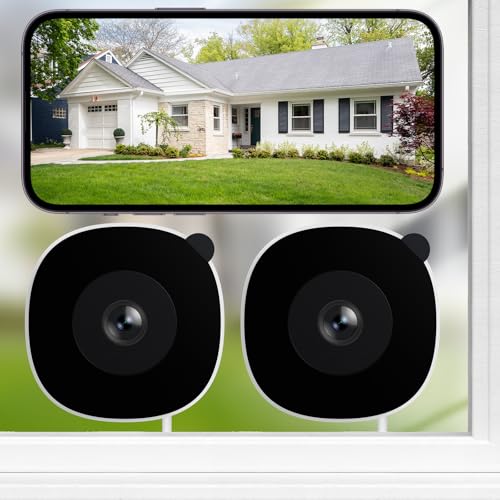
I recently installed a wireless security camera and it was surprisingly easy! I found a good spot by my front door, followed the setup instructions, and was monitoring my property in no time. The video quality is great too. Just a heads-up though, I had to tweak the motion detection settings a bit to avoid false alarms from passing cars.
How do wireless cameras compare with wired ones in terms of reliability? Are there any downsides?
Wireless cameras offer more flexibility in placement, but their performance can depend on Wi-Fi signal strength. Wired cameras tend to be more reliable in terms of consistent connectivity.
How do I know if a wireless camera will work well in low light? Is there a specific feature I should look for?