
 Carmen J. Moore

Security cameras have become an essential tool for monitoring and protecting homes and businesses. With advancements in technology, many security cameras now come equipped with WiFi capabilities, allowing for remote access and control.


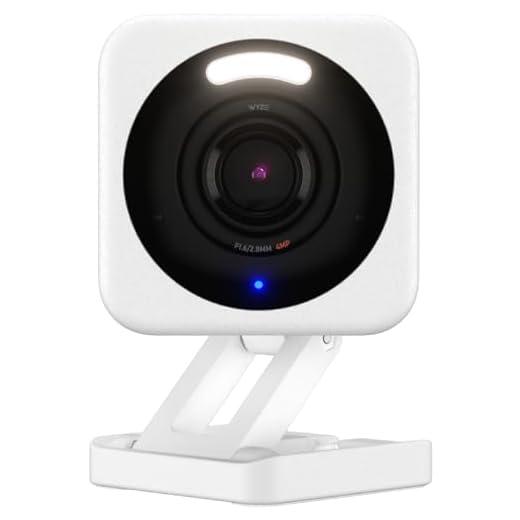
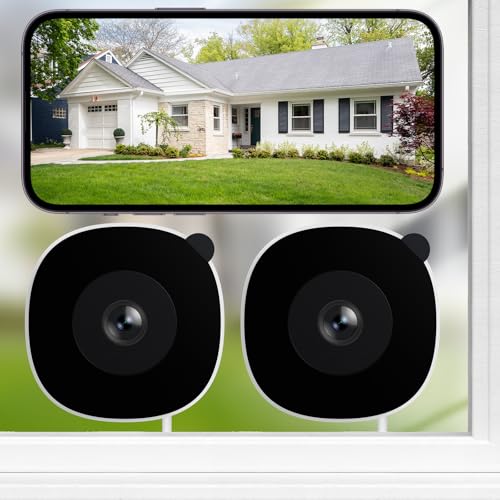
But how exactly do security cameras work with WiFi? WiFi-enabled security cameras connect to your home or business network wirelessly, allowing you to access live video feeds and recordings from anywhere with an internet connection.
These cameras use your WiFi network to transmit data to a cloud-based storage system or a local storage device, such as a DVR or NVR. This data can then be accessed through a mobile app or a web browser, giving you the ability to monitor your property in real-time.
Understanding how security cameras connect to wifi
Security cameras connect to wifi networks using a wireless connection. This allows them to transmit video and audio data over the internet to a remote viewing device, such as a smartphone or computer. The process involves the camera identifying and connecting to the wifi network using the network’s SSID and password. Once connected, the camera can send live footage and alerts to the user’s device, providing real-time monitoring and surveillance capabilities.
The Basics of WiFi-Enabled Security Cameras
WiFi-enabled security cameras are a popular choice for home and business surveillance. These cameras connect to your wireless network, allowing you to monitor your property remotely using a smartphone, tablet, or computer.
How They Work
WiFi-enabled security cameras have built-in WiFi modules that enable them to connect to your home or office network. Once connected, you can access the camera’s live feed and recordings through a dedicated app or web interface.
These cameras typically have motion detection sensors that trigger recording when motion is detected. Some models also offer two-way audio, allowing you to communicate with people on the other end of the camera.
Benefits of WiFi-enabled Security Cameras
- Easy installation: These cameras are easy to set up and don’t require complicated wiring.
- Remote access: You can monitor your property from anywhere with an internet connection.
- Cloud storage options: Many WiFi-enabled cameras offer cloud storage for recordings, ensuring your footage is secure.
- Integration with smart home devices: Some cameras can be integrated with other smart home devices for added convenience.
Wifi Connection Setup for Security Cameras
Setting up a wifi connection for your security cameras is crucial to ensure seamless monitoring and recording of your property. Follow these steps to establish a stable wifi connection:
1. Choose the Right Wifi Network: Make sure to select the correct wifi network for your security cameras. Use a dedicated network or a separate guest network to avoid interference.
2. Position the Cameras: Place the cameras within the wifi signal range to ensure a strong connection. Avoid obstacles and interference that can weaken the signal.
3. Connect to the Network: Follow the manufacturer’s instructions to connect the cameras to the wifi network. Use the camera’s settings menu to input the wifi network name and password.
4. Test the Connection: After connecting the cameras, test the wifi connection to ensure a stable and reliable signal. Check the live feed and adjust the camera position if needed.
5. Secure the Network: Enable encryption and password protection on your wifi network to prevent unauthorized access to your security cameras. Regularly update passwords for added security.
By following these steps, you can effectively set up a wifi connection for your security cameras and enhance the security of your property.
Benefits of using wifi for security cameras
Using wifi for security cameras offers numerous benefits, including:
- Convenient Installation: Wifi security cameras are easy to install without the need for complicated wiring, making them ideal for both indoor and outdoor use.
- Remote Monitoring: With wifi connectivity, you can access live footage from your security cameras remotely using a smartphone, tablet, or computer, providing peace of mind even when you’re away from home.
- Flexible Placement: Wifi security cameras can be placed anywhere within the range of your wifi network, allowing for flexible positioning to cover the areas you want to monitor.
- Easy Expansion: You can easily expand your security camera system by adding more wifi cameras without the need for additional wiring, providing scalability as your security needs grow.
- Integration with Smart Home Systems: Wifi security cameras can often be integrated with smart home systems, allowing for seamless automation and control of your home security setup.
Security Protocols for WiFi-Connected Cameras
When setting up security cameras that connect to WiFi networks, it is crucial to ensure the protection of your data and privacy. Security protocols play a significant role in safeguarding the communication between the camera and the network.
WPA2 Encryption
One of the most common security protocols used for WiFi-connected cameras is WPA2 encryption. This protocol encrypts the data transmitted between the camera and the network, making it difficult for unauthorized users to intercept or access the information.
It is essential to always use a strong password for your WiFi network to enhance the security provided by WPA2 encryption.
Secure Authentication
Another crucial aspect of security protocols for WiFi-connected cameras is secure authentication. This involves ensuring that only authorized users can access the camera’s feed and settings. Strong passwords, two-factor authentication, and regular password updates can help prevent unauthorized access to your cameras.
Potential security risks and solutions
While security cameras with wifi connectivity offer convenience and flexibility, they also come with potential security risks that users need to be aware of. Here are some common risks and solutions:
1. Unauthorized access:
One of the main risks of wifi security cameras is the possibility of unauthorized access to the camera feed. To mitigate this risk, make sure to use strong and unique passwords for your wifi network and the camera itself. Regularly update the camera firmware to patch any security vulnerabilities.
2. Interception of data:
Another risk is the interception of data transmitted between the camera and the connected devices. To prevent this, enable encryption on your wifi network, such as WPA2, and consider using a virtual private network (VPN) for an extra layer of security.
- Change default camera settings: Make sure to change default settings, such as the camera’s admin password and default username, to prevent unauthorized access.
- Regularly monitor camera activity: Keep an eye on the camera feed and review activity logs to detect any suspicious behavior.
- Position cameras strategically: Place cameras in locations that minimize privacy concerns and ensure they are not easily accessible to unauthorized individuals.
Troubleshooting common wifi camera issues
When using wifi security cameras, you may encounter some common issues that can affect their performance. Here are some troubleshooting tips to help you resolve these problems:
| Issue | Solution |
| 1. Weak wifi signal | Move the camera closer to the router or install a wifi extender to improve signal strength. |
| 2. Camera offline | Check if the camera is properly connected to the wifi network and power source. Restart the camera and router if needed. |
| 3. Slow connection | Ensure no other devices are hogging bandwidth, and try restarting the camera and router. |
| 4. Firmware update | Check for firmware updates for the camera and install them to fix any bugs or security issues. |
| 5. Interference | Identify sources of interference such as other electronic devices and move the camera away from them. |
By following these troubleshooting steps, you can ensure that your wifi security camera functions properly and provides reliable monitoring of your property.
Future trends in wifi security camera technology
As technology continues to advance, we can expect to see several key trends shaping the future of wifi security cameras:
1. Artificial Intelligence (AI) Integration: AI-powered features such as facial recognition, object detection, and smart alerts will become more prevalent in wifi security cameras, enhancing their ability to detect and respond to potential threats.
2. Cloud Storage and Remote Access: With the increasing popularity of cloud technology, wifi security cameras will likely shift towards cloud-based storage solutions, enabling users to access and manage their footage remotely from anywhere in the world.
3. Enhanced Privacy and Data Security: As concerns over data privacy grow, future wifi security cameras will focus on implementing robust encryption protocols and privacy features to protect sensitive information from unauthorized access.
4. Integration with Smart Home Ecosystems: Wifi security cameras will become more integrated with smart home devices and systems, allowing users to create a seamless and interconnected home security network.
5. Improved Video Quality and Resolution: Advancements in camera technology will lead to wifi security cameras with higher resolutions and improved video quality, providing clearer and more detailed footage for enhanced surveillance.


Great article! I appreciate the troubleshooting tips at the end. I had no idea about the potential interference from other devices, which could be the issue I’m facing.
I don't think WiFi security cameras are the best option for everyone. They can be hacked more easily if not set up correctly. Wired cameras seem much safer to me in terms of security.
That's a valid point, but I believe that with the right security measures, such as strong passwords and regular updates, WiFi cameras can be secure. Plus, they're so much easier to install!
How do WiFi security cameras handle data storage? Do they need a separate cloud service, or can they store footage locally without extra costs?
WiFi security cameras typically offer both cloud storage and local storage options. Some models come with free cloud storage for a limited time, while others may require a subscription for ongoing cloud access. Local storage can be done using microSD cards or a connected DVR/NVR.
I recently installed a WiFi security camera system. At first, I struggled with positioning because of the weak signal in certain areas of my home. After moving the cameras closer to the router and adding a WiFi extender, the footage is now clear and reliable! It's amazing how much of a difference that made.
Can someone clarify what WPA2 encryption means for the security camera? Is it something I have to set up myself?