
 Carmen J. Moore
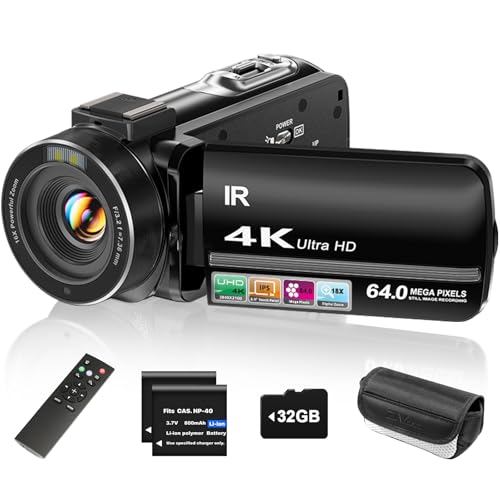
Security cameras have become a ubiquitous tool for monitoring and protecting properties, both residential and commercial. One of the key features that make security cameras effective is their ability to capture clear footage even in low-light or no-light conditions. This is where night vision technology comes into play.
Many security cameras use infrared (IR) technology for night vision capabilities. Infrared light is invisible to the human eye but is detected by the camera’s sensor, allowing it to “see” in the dark. When the camera detects low light levels, it switches to infrared mode, illuminating the area with infrared LEDs and capturing black-and-white footage.
However, not all security cameras rely on infrared for night vision. Some cameras use other technologies like low-light sensors or thermal imaging to achieve visibility in the dark. Understanding how your security camera operates in low light conditions is important for ensuring optimal surveillance performance.

Are Security Cameras Using Infrared?
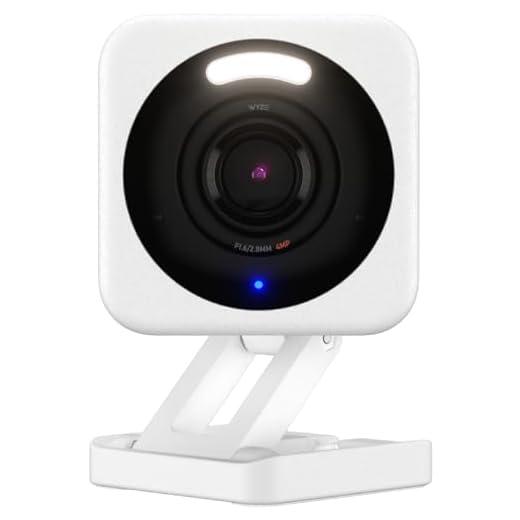
Security cameras often use infrared technology for night vision. Infrared light is invisible to the human eye but can be detected by cameras equipped with infrared sensors. These sensors capture infrared light emitted by objects and convert it into visible images, allowing the camera to see in the dark.
Infrared technology is commonly used in security cameras because it provides clear and detailed images in low-light conditions. By using infrared light, cameras can capture footage even in complete darkness, making them ideal for surveillance purposes.
How Does Infrared Night Vision Work?
When it gets dark, the camera switches to night vision mode, activating its infrared sensors. These sensors emit infrared light that bounces off objects and gets reflected back to the camera. The camera then translates this reflected light into a visible image, creating a clear picture even in the absence of visible light.
Overall, security cameras do use infrared technology for night vision, allowing them to capture high-quality footage in low-light environments.
Understanding Night Vision Technology
When it comes to security cameras and their night vision capabilities, understanding the technology behind it is crucial. Infrared (IR) technology is commonly used in security cameras for night vision. IR light is invisible to the human eye but can be detected by cameras equipped with IR sensors. This allows the camera to capture clear images even in low-light or complete darkness.
How IR Night Vision Works
Security cameras with IR night vision have IR LEDs that emit light that is invisible to humans but illuminates the area being monitored. The camera’s IR sensor picks up this light and converts it into a visible image. This technology enables security cameras to capture footage in low-light conditions without the need for additional lighting.
Overall, understanding how IR night vision works can help you make informed decisions when choosing security cameras for your surveillance needs.
How Infrared Helps Cameras in the Dark
Security cameras often use infrared technology to capture clear images in low-light or dark conditions. Infrared light is invisible to the human eye but is detected by the camera’s sensor, allowing it to create a visible image.
When ambient light is low or absent, the camera switches to infrared mode, where it emits infrared light from built-in LEDs. This light reflects off objects in the camera’s field of view and is then captured by the sensor, producing a grayscale image.
Benefits of Infrared for Night Vision:
- Enhanced visibility in complete darkness
- Reduction of image noise and distortion
- Extended range of surveillance
Benefits of Infrared Night Vision
Security cameras that utilize infrared night vision technology offer several advantages:
Enhanced Visibility
Infrared night vision allows security cameras to capture clear images and videos even in complete darkness. This enhanced visibility ensures that the surveillance system can effectively monitor and record activities during the night.
Extended Range
Infrared night vision extends the range of security cameras, enabling them to cover larger areas without relying on external lighting sources. This extended range is especially useful for outdoor surveillance where ambient light may be limited.
Overall, the use of infrared night vision technology in security cameras enhances their effectiveness and reliability in providing round-the-clock surveillance.
Challenges with Infrared Night Vision
While infrared night vision technology is widely used in security cameras for its ability to capture clear images in low light conditions, there are some challenges associated with this technology:
- Limited Range: Infrared night vision cameras have a limited range compared to daytime cameras. Objects that are far away may appear blurry or indistinct.
- Reflections and Glare: Infrared light can bounce off surfaces and cause reflections or glare, which can distort the image captured by the camera.
- Interference: Other sources of infrared light, such as streetlights or car headlights, can interfere with the camera’s night vision capabilities and affect the quality of the footage.
- Power Consumption: Infrared night vision cameras require additional power to operate the infrared LEDs, which can lead to higher energy consumption compared to regular security cameras.
- Black and White Images: Infrared night vision cameras typically capture images in black and white, which may not provide as much detail or clarity as color images.
Alternatives to Infrared Night Vision
While infrared night vision is commonly used in security cameras for low-light and nighttime surveillance, there are alternative technologies that can also provide effective night vision capabilities:
- Low-Light Imaging: Some security cameras are equipped with sensors that can capture clearer images in low-light conditions without the need for infrared illumination. These cameras use advanced image processing techniques to enhance visibility in dark environments.
- Thermal Imaging: Thermal cameras detect heat emitted by objects and create images based on temperature differences. This technology allows security cameras to capture images in complete darkness or through smoke, fog, and dust.
- Starlight Technology: Cameras with starlight technology have highly sensitive sensors that can produce color images in extremely low-light conditions, often without the need for additional illumination. This technology is particularly useful for outdoor surveillance.
- White Light Illumination: Some security cameras use white light LEDs for night vision, which can provide color images and deter intruders with visible light. While white light illumination may not be as discreet as infrared, it can be effective in certain applications.
When choosing a security camera for night vision capabilities, consider the specific lighting conditions and surveillance requirements of your environment to determine the most suitable technology.


I’ve heard that some cameras use starlight technology for low-light conditions. How does that compare to infrared night vision?
Starlight technology is indeed effective for low-light conditions, allowing for color images with minimal light. Infrared, on the other hand, excels in complete darkness but typically captures black-and-white images.
Good question! Starlight technology can capture color images in very low light, which can be an advantage over black-and-white infrared footage. But it might not be as effective in complete darkness without any light sources.