
 Carmen J. Moore

In the age of smart technology and surveillance, home security cameras have become a common feature in many households. These cameras provide a sense of security and peace of mind by allowing homeowners to monitor their property remotely. However, one common concern that arises is whether home security cameras automatically delete footage or if the recordings are stored indefinitely.
When it comes to the storage of footage from home security cameras, the answer can vary depending on the type of system you have. Some cameras are designed to continuously record and overwrite old footage once the storage capacity is reached. This means that unless you save specific clips, the footage will be deleted and replaced with new recordings.
On the other hand, some home security cameras offer options for cloud storage or local storage devices, allowing users to save and access footage for a longer period of time. These systems typically require a subscription or additional fees for extended storage capabilities. It’s important for homeowners to understand the storage options of their security cameras to ensure that they have access to critical footage when needed.
Do Home Security Cameras Delete Footage
Home security cameras typically have a limited amount of storage space available for recording footage. Once this storage space is full, the camera will automatically overwrite the oldest recordings to make room for new footage. This process is known as “loop recording” and ensures that the camera continues to record without interruption.



How Long Does Footage Stay on Security Cameras
The length of time that footage stays on a security camera depends on several factors, including the storage capacity of the camera, the resolution of the recordings, and the settings configured by the user. Some cameras allow users to adjust the retention period for recordings, while others may have a fixed duration before footage is automatically deleted.
It’s important to regularly check the storage capacity of your security camera and ensure that it has enough space to continue recording. If you need to keep specific footage for a longer period, consider transferring it to an external storage device or cloud storage to prevent it from being deleted.
Overview of Home Security Cameras
Home security cameras are electronic devices that are used to monitor and record activities in and around a home. These cameras are typically installed in strategic locations to capture footage of any suspicious or criminal activities. They come in various types, including indoor cameras, outdoor cameras, wireless cameras, and wired cameras.
Home security cameras offer homeowners peace of mind by providing real-time monitoring of their property. They can be accessed remotely through a smartphone or computer, allowing homeowners to check on their home even when they are away. Some cameras also come with motion detection and night vision capabilities, enhancing their effectiveness in capturing footage.
One common concern among homeowners is whether home security cameras delete footage. Most modern security cameras come with a feature that continuously records footage onto a storage device, such as a memory card or cloud storage. When the storage is full, the camera will overwrite the oldest footage with new recordings. However, homeowners can also manually delete footage to free up space or save important recordings.
Importance of Footage Storage
Proper storage of footage captured by home security cameras is crucial for maintaining security and peace of mind. Here are some reasons why footage storage is important:
- Evidence in Case of Incidents: Stored footage can serve as crucial evidence in case of break-ins, theft, or other criminal activities. It can help law enforcement identify suspects and solve crimes.
- Insurance Claims: In the unfortunate event of a burglary or property damage, recorded footage can support insurance claims and help in the reimbursement process.
- Monitoring and Review: Archived footage allows homeowners to monitor activities around their property and review past events for security purposes or peace of mind.
Types of Storage Options
There are various storage options available for home security camera footage, including cloud storage, local storage on DVR/NVR systems, and SD card storage. Each option has its advantages and considerations in terms of accessibility, capacity, and cost.
Automatic Deletion Settings
Many home security cameras offer automatic deletion settings to manage storage and ensure that footage is not kept indefinitely. Users can typically customize these settings based on their preferences and needs.
- Retention Period: Users can set a specific time frame for how long footage will be stored before being automatically deleted. This can range from a few days to several weeks.
- Loop Recording: Some cameras use loop recording, where new footage is recorded over the oldest footage once the storage limit is reached. This helps ensure that the camera always has the latest recordings available.
- Motion-Activated Deletion: Cameras can be set to delete footage that does not contain any motion events, saving storage space for more relevant recordings.
By utilizing these automatic deletion settings, users can manage their home security camera footage effectively and ensure that only necessary recordings are kept for review.
Manual Deletion Options
Most home security cameras offer manual deletion options for recorded footage. Users can typically access this feature through the camera’s app or software interface. Once accessed, users can select specific recordings or footage to delete individually or in batches. This manual deletion option provides users with control over their recorded data and allows them to manage storage space effectively.
Legal Implications of Deleting Footage
When it comes to home security cameras, deleting footage can have legal implications. In some jurisdictions, it may be required by law to retain footage for a certain period of time. Deleting footage prematurely could potentially hinder an investigation or legal case.
Furthermore, deleting footage could also raise questions about the integrity of the recording system. If footage is deleted selectively or in a suspicious manner, it could lead to allegations of tampering or misconduct.
It’s important to be aware of the legal requirements regarding the retention and deletion of surveillance footage in your area to avoid any potential legal issues. Consult with legal experts or law enforcement authorities if you have any doubts about the proper procedures for handling surveillance footage.
Best Practices for Managing Footage
When it comes to managing footage captured by home security cameras, it is essential to follow best practices to ensure that the footage is properly stored, accessed, and retained. Here are some key tips:
Regularly Backup Footage
It is crucial to regularly backup footage from your security cameras to prevent any data loss in case of a system failure or camera malfunction. Consider storing backups in a secure location or using cloud storage services for added protection.
Set Retention Policies
Establish clear retention policies for your footage to determine how long it should be kept before being deleted. This will help you comply with any legal requirements and prevent unnecessary storage costs.
- Review and delete old footage periodically to free up storage space and ensure that you are only keeping relevant recordings.
- Consider setting up automatic deletion schedules to streamline the process and reduce manual intervention.




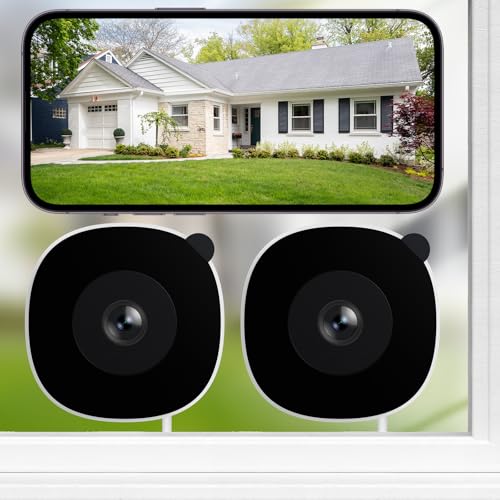
I recently set up a security camera system in my home and opted for cloud storage. It's been great knowing that I can access footage from anywhere, plus I don’t have to worry about losing clips if the camera malfunctions. I did have to pay a small monthly fee, but I think it’s worth it for the peace of mind.
Good article! I have a quick question about cloud storage options. Do most cameras offer it, or is it something that varies a lot between brands?
Great question! Many modern security cameras do offer cloud storage options, but the availability and cost can vary significantly between brands. It's best to check the specifications of each camera you're considering.
I’m curious about how often cameras overwrite footage. Is it a daily thing, or does it depend on how much activity it captures?
I’ve been comparing different security cameras and noticed that some allow for manual deletion while others have more automated options. Do you think it’s better to have more control over what gets deleted or is automatic deletion simpler?
I've been using a camera that overwrites footage, and I've lost some important clips because I didn't back them up. Now I make sure to save anything crucial to my cloud storage.
I disagree that most cameras automatically delete footage. Some premium models offer unlimited cloud storage. It's worth investing in them for better security.
While premium models can offer extended storage options, many budget models are designed to overwrite footage automatically when storage is full.
Can someone explain what the legal implications are regarding deleting footage? I’ve heard that in some areas there's a required retention period that needs to be followed.
Good question! I'm curious about how often these cameras actually overwrite footage. Is it usually set to overwrite daily, or can it depend on the storage size?
The overwrite frequency can vary based on the camera's settings and the amount of storage available. Many systems will overwrite once the storage is full, but some allow users to set custom retention periods.
I'm curious, do most home security cameras let you change how long they keep footage before deletion? I want to make sure I can access important clips if needed.
Yes, many home security cameras allow you to customize the retention period for footage. This can range from a few days to several weeks, depending on the specific model and settings.
Some cameras let you delete clips manually, which is helpful for keeping only the important footage. Just make sure to back up regularly!
I disagree with the idea that all cameras should offer cloud storage. I prefer local storage since I feel it's more secure and doesn't rely on internet connectivity.
I see your point, but cloud storage can be convenient for accessing footage remotely. I guess it depends on personal preference and needs.
I want to clarify something about loop recording. If the camera overwrites old footage, does that mean I have less control over what gets stored? Can I customize retention periods for specific recordings?
I had a security camera that deleted footage after just a few days, and it was frustrating when I needed to review something. Now, I always check the storage settings.
I disagree with the idea that deleting footage can be okay if done properly. Even if you think it's unnecessary, you never know when you might need that information for insurance or legal reasons.
That's a valid point. Keeping footage for a certain period can be crucial for various reasons, including legality and insurance claims.
Can the cameras really delete footage automatically? I thought once it’s recorded, it stays there until I delete it myself.
I'm curious about how long footage is typically stored before it's deleted. Is it mostly a few days or can it be longer?
The storage duration varies by camera model and settings. Some cameras allow you to set the retention period from a few days to several weeks. It’s best to check your specific system's manual for details.
Do all security cameras automatically delete footage, or are there some that keep recordings indefinitely?
I've had a home security camera for over a year now, and I've noticed that it just overwrites old footage when it runs out of space. I wish it had a better cloud storage option without extra fees. It's frustrating to lose important clips because I forgot to save them.