
 Carmen J. Moore

Have you ever wondered if it’s possible to view a non-IP security camera feed on your PC? Many traditional security cameras use analog signals and are not directly compatible with network connections. However, with the right equipment and setup, it is indeed possible to view non-IP security camera footage on your computer.

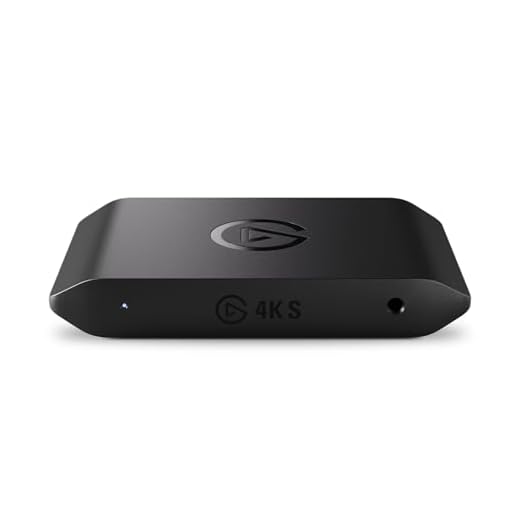

One common method is to use a digital video recorder (DVR) that can convert analog signals into digital format and then connect the DVR to your PC through a network or a direct connection. This allows you to access the camera feed on your PC through the DVR’s software.
Alternatively, you can use a video capture card to convert the analog signal into a digital one that your PC can read. This method requires some technical expertise but can be a cost-effective solution for viewing non-IP security camera footage on your computer.
How to View Non-IP Security Camera on Your PC
Non-IP security cameras can be a bit trickier to view on your PC compared to IP cameras, but it is still possible. Here are some steps you can take to view a non-IP security camera on your PC:
- Check the camera’s specifications: Make sure the non-IP camera you have is compatible with your PC.
- Install the camera software: Some non-IP cameras come with their own software that you need to install on your PC.
- Connect the camera to your PC: Use the appropriate cables to connect the non-IP camera to your PC.
- Access the camera’s interface: Open the camera software on your PC and follow the instructions to access the camera’s interface.
- View the camera feed: Once you have accessed the camera’s interface, you should be able to view the camera feed on your PC.
By following these steps, you should be able to view a non-IP security camera on your PC without any issues.
Overview of Non IP Security Cameras
Non IP security cameras, also known as analog cameras, are traditional surveillance cameras that transmit video signals through cables rather than over a network. These cameras are widely used in older security systems and can still be found in many establishments.
Unlike IP cameras, non IP cameras do not connect to the internet directly, which can make them more secure in some cases. However, they typically require a separate DVR (Digital Video Recorder) to record and store footage.
Non IP cameras come in various types, including dome cameras, bullet cameras, and PTZ (Pan-Tilt-Zoom) cameras. They offer different features such as night vision, motion detection, and remote viewing capabilities.
While non IP cameras may not offer the same level of flexibility and convenience as IP cameras, they are still a viable option for basic surveillance needs. With the right setup and equipment, you can view the feed from non IP cameras on your PC or mobile device.
Types of Non IP Security Cameras
Non IP security cameras come in various types, each with its own unique features and capabilities. Some common types include:
- Analog CCTV Cameras: These traditional cameras use analog signals to transmit video footage.
- HD-SDI Cameras: High Definition Serial Digital Interface cameras offer high-quality video recording.
- AHD Cameras: Analog High Definition cameras provide better resolution than analog CCTV cameras.
- HD-TVI Cameras: High Definition Transport Video Interface cameras offer high-definition video transmission.
Connecting Non IP Security Cameras to PC
Non-IP security cameras can be connected to your PC using a variety of methods. One common way is to use a video capture card or a USB video capture device. These devices allow you to connect your analog security camera to your computer via a video cable.
Another option is to use a digital video recorder (DVR) that is compatible with your non-IP security camera. The DVR can be connected to your PC through a network connection, allowing you to access the camera feeds on your computer.
If your non-IP security camera has a built-in DVR or storage system, you can transfer the video recordings to your PC using a USB cable or memory card reader. This way, you can view the footage on your computer without the need for additional hardware.
Software for Viewing Non IP Security Cameras on PC
When it comes to viewing non-IP security cameras on your PC, you’ll need specialized software that can decode the video feed and display it on your computer screen. Here are some popular software options that can help you achieve this:
1. Blue Iris
Blue Iris is a versatile security camera software that supports a wide range of camera types, including non-IP cameras. It allows you to view, record, and manage multiple camera feeds on your PC.
2. iSpy
iSpy is another powerful surveillance software that is compatible with non-IP cameras. It offers features like motion detection, remote access, and cloud storage, making it a popular choice for home and business security systems.
By using one of these software options, you can easily access and monitor your non-IP security cameras on your PC without any hassle.
Remote Access to Non IP Security Cameras
Remote access to non-IP security cameras can be achieved using various methods depending on the type of camera. Here are some common ways to access non-IP security cameras remotely:
- Using a video encoder: Connect the non-IP camera to a video encoder that converts the analog signal to digital, allowing you to access the camera feed over the network.
- Using a DVR/NVR system: Some DVR/NVR systems support analog cameras and provide remote access capabilities through a web interface or dedicated software.
- Using a cloud-based service: Some companies offer cloud-based solutions that allow you to connect and access non-IP cameras remotely over the internet.
- Setting up port forwarding: Configure port forwarding on your router to allow access to the camera’s feed from outside your local network.
By using these methods, you can remotely access and view the feed from non-IP security cameras on your PC or mobile device, providing you with added convenience and security monitoring capabilities.
Troubleshooting Non IP Security Camera Connectivity
Non-IP security cameras may require additional steps to connect to your PC. Here are some troubleshooting tips to help you establish a connection:
Check Network Settings
Ensure that both your PC and the non-IP security camera are connected to the same network. Check the network settings on both devices to make sure they have the correct IP addresses and are on the same subnet.
Use Proper Software
Some non-IP security cameras require specific software or drivers to be installed on your PC for proper connectivity. Make sure you have the necessary software installed and configured correctly.
Benefits of Viewing Non IP Security Cameras on PC
There are several advantages to viewing non IP security cameras on your PC:
Convenience
By accessing non IP security cameras on your PC, you can conveniently monitor your property from one central location. This saves you the time and effort of checking multiple cameras individually.
Enhanced Security
Using your PC to view non IP security cameras allows you to have a larger screen and better resolution, enhancing your ability to detect any suspicious activity or potential threats.
Overall, viewing non IP security cameras on your PC provides you with greater convenience and improved security, making it a valuable tool for monitoring your property.
Comparison of Non IP and IP Security Cameras
When considering security cameras, it’s essential to understand the differences between non IP (analog) and IP cameras. Non IP cameras use traditional analog technology and require a separate video recorder to process and store footage. They typically have lower resolution and limited features compared to IP cameras.
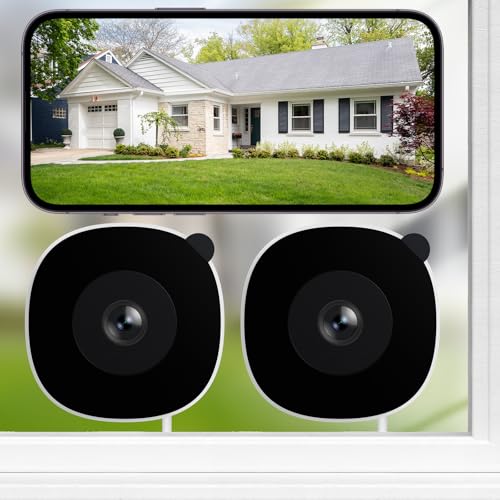
In contrast, IP cameras are digital and connect directly to a network, allowing for remote viewing and control. They offer higher resolution, advanced features like motion detection and night vision, and easy integration with other smart home devices. Additionally, IP cameras can be accessed and viewed on a PC or mobile device without the need for additional hardware.
Overall, IP cameras provide superior performance and flexibility compared to non IP cameras, making them a popular choice for modern security systems.


While I see some advantages to non-IP cameras, I think IP cameras are way more flexible and easier to set up. The DVR requirement for non-IP seems outdated.
I get your point, but non-IP cameras can be more secure since they don’t connect to the internet directly. It's all about what you're looking for.
I’ve been using non-IP cameras for a while, but I’m considering switching to IP cameras. I understand that IP cameras offer better resolution and features. What are some other major differences that I should consider before making the switch?
I've done the switch recently, and one of the biggest benefits is the remote access you get with IP cameras. It's super convenient to check the feeds from my phone when I'm not home!
I had a non-IP camera setup before and using a DVR really made it easier to view everything on my PC. It was a bit tricky at first, but worth it!
I recently set up my old analog camera using a DVR. It took some time to figure out the software, but once I got it working, it was great to see the feed on my PC. I recommend checking compatibility before purchasing a DVR, as not all models support every camera type. It makes a big difference!
Non-IP cameras might not have the best image quality compared to IP cameras, but they are usually more reliable in poor network conditions.
Thanks for the breakdown! I'm considering switching to IP cameras for better quality and remote access. However, I still have a bunch of old non-IP models. Should I invest in a DVR for them or just upgrade to IP cameras?
If your old cameras are still functional and meet your needs, a DVR can be a cost-effective solution for monitoring. However, if you're looking for better quality and features, transitioning to IP cameras may be the more future-proof option.
I disagree with the notion that non-IP cameras are more secure. While they might not connect to the internet directly, they are often vulnerable to local tampering and may lack advanced security features like encryption found in IP cameras.