Carmen J. Moore
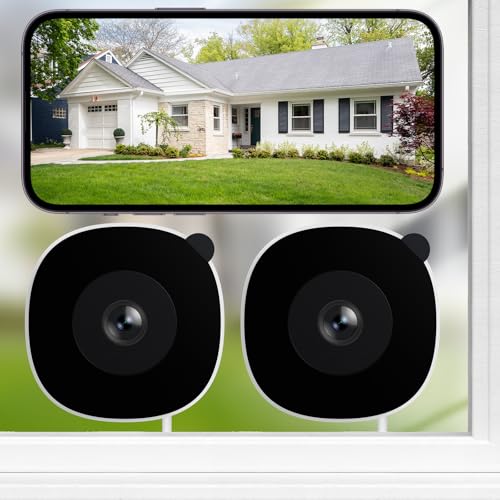
Security cameras are a crucial component of any comprehensive security system, providing surveillance and peace of mind for homeowners and businesses alike. However, powering these cameras can sometimes be a challenge, especially in remote locations or areas without access to traditional power sources.
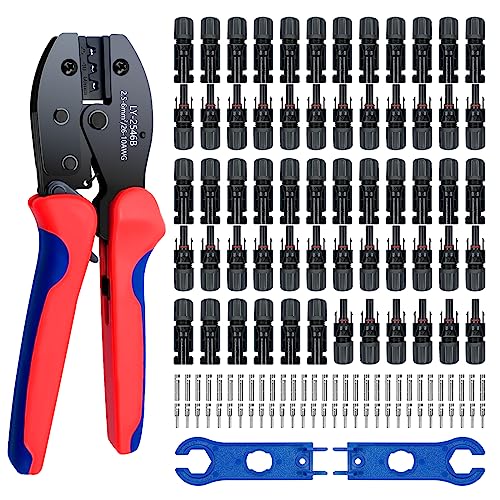
One potential solution to this problem is to hook up security cameras directly to a solar panel. By harnessing the power of the sun, you can ensure that your cameras have a continuous source of energy without the need for expensive wiring or reliance on the grid.

But is it really possible to connect security cameras straight to a solar panel? In this article, we will explore the feasibility of this setup, the benefits it can offer, and the considerations you need to keep in mind when implementing solar-powered security cameras.
Is It Possible
Connecting a security camera directly to a solar panel is technically possible, but it requires careful planning and consideration of various factors. Here are some key points to keep in mind:
Power Requirements
Ensure that the solar panel can provide enough power to operate the security camera continuously, especially during periods of low sunlight or bad weather. Consider using a battery or capacitor to store excess energy for use when sunlight is limited.
Voltage and Compatibility
Check the voltage requirements of the security camera and make sure that the solar panel outputs the correct voltage. You may need a voltage regulator or converter to match the camera’s needs with the solar panel’s output.
| Factors to Consider: |
|
To Connect
Connecting your security camera directly to a solar panel is a straightforward process that requires a few key components. Here is a step-by-step guide to help you set up your system:
Step 1: Gather Your Equipment
Before you begin, make sure you have the following items ready:
| 1. Security camera |
| 2. Solar panel |
| 3. Charge controller |
| 4. Battery (optional, but recommended for storing excess power) |
| 5. Wires and connectors |
Step 2: Connect the Components
Follow these steps to connect your security camera to the solar panel:
- Connect the solar panel to the charge controller using the appropriate wires.
- Connect the charge controller to the battery (if using one) and the security camera.
- Ensure all connections are secure and properly insulated to prevent any accidents or damage.
By following these simple steps, you can power your security camera using a solar panel efficiently and effectively.
Security Camera
Security cameras are essential for monitoring and protecting your property. They provide a sense of security and peace of mind by allowing you to keep an eye on your surroundings even when you’re not there.
When it comes to powering security cameras, you may consider using solar panels as a renewable energy source. By hooking up a security camera directly to a solar panel, you can create a sustainable and independent power source for continuous surveillance.
However, before connecting a security camera to a solar panel, make sure to check the power requirements of the camera and the output capacity of the solar panel to ensure compatibility. Additionally, consider factors such as weather conditions and sun exposure to optimize the performance of your solar-powered security camera.
Directly to Solar Panel Connection
Connecting a security camera directly to a solar panel is a feasible option for powering your surveillance system. By establishing a direct connection, you can ensure a continuous power supply to your camera without the need for additional batteries or power sources.
When setting up this configuration, it is essential to use the appropriate connectors and cables to link the camera to the solar panel effectively. Additionally, you may need to install a charge controller to regulate the power flow and prevent overcharging of the camera’s battery.
| Pros: | Cons: |
| 1. Continuous power supply | 1. Requires proper wiring |
| 2. Eco-friendly and cost-effective | 2. Potential risk of overcharging |
| 3. Minimal maintenance required | 3. Limited flexibility in camera placement |
Solar Panel?
When considering hooking up a security camera directly to a solar panel, it is important to ensure that the solar panel is compatible with the camera’s power requirements. Solar panels can vary in size, output, and compatibility with different devices.
It is recommended to use a solar panel that is specifically designed for powering security cameras to ensure optimal performance and longevity. Additionally, consider factors such as sun exposure, battery storage, and power consumption when setting up a solar-powered security camera system.
Advantages and Drawbacks
Hooking up a security camera directly to a solar panel has its own set of advantages and drawbacks. Here are some key points to consider:
Advantages:
- Energy Efficiency: Using a solar panel eliminates the need for traditional power sources, reducing energy costs and environmental impact.
- Remote Locations: Solar-powered security cameras can be installed in remote locations where access to electricity is limited or non-existent.
- Sustainable Solution: Solar energy is a renewable resource, making it a sustainable and eco-friendly option for powering security cameras.
Drawbacks:
- Initial Cost: The setup cost of solar panels and compatible equipment can be higher compared to traditional wired systems.
- Weather Dependence: Solar panels rely on sunlight to generate power, so camera performance may be affected during cloudy or rainy weather.
- Battery Maintenance: Solar-powered systems often include batteries for storage, which require maintenance and replacement over time.