
 Carmen J. Moore

Wireless security cameras have become increasingly popular in recent years, offering homeowners a convenient way to monitor their properties remotely. But are they really worth the investment?
With the rise of smart home technology, wireless security cameras have become more affordable and easier to install than ever before. They offer a sense of security and peace of mind, allowing you to keep an eye on your home or business from anywhere in the world.
But are wireless security cameras truly effective in deterring crime and protecting your property? Are they reliable enough to capture important footage when you need it most? In this article, we will explore the pros and cons of wireless security cameras to help you decide if they are worth it for your security needs.
Are Wireless Security Cameras Worth It?
Wireless security cameras offer convenience, flexibility, and peace of mind for homeowners and businesses looking to enhance their security measures. Here are some reasons why wireless security cameras are worth the investment:


- Easy Installation: Wireless cameras are simple to install and can be placed virtually anywhere without the need for extensive wiring.
- Remote Monitoring: With wireless cameras, you can monitor your property from anywhere using a smartphone, tablet, or computer.
- Expandable Systems: Wireless systems can easily be expanded by adding more cameras to cover larger areas or enhance security measures.
- Enhanced Security: Wireless cameras provide real-time alerts and notifications, allowing you to respond quickly to any suspicious activity.
- Cost-Effective: While wireless cameras may have a higher initial cost, they often require less maintenance and offer long-term savings compared to wired systems.
Overall, wireless security cameras are a valuable investment for those looking to improve their security and surveillance capabilities with ease and flexibility.
Advantages of Wireless Security Cameras
Wireless security cameras offer several advantages over traditional wired cameras. Here are some of the key benefits:
1. Easy Installation
One of the main advantages of wireless security cameras is their ease of installation. Since they do not require complicated wiring, you can set them up quickly and without the need for professional help. This makes them a convenient option for both homeowners and businesses.
2. Flexibility
Wireless cameras can be placed virtually anywhere within the range of your Wi-Fi network, giving you the flexibility to monitor different areas of your property. You can easily move them around or add more cameras as needed without the constraints of wiring.
- 3. Remote Access
Most wireless security cameras come with mobile apps that allow you to remotely access live footage from your cameras. This means you can check in on your property from anywhere at any time, providing peace of mind and added security.
Factors to Consider Before Buying
Before investing in wireless security cameras, consider the following factors:
- Quality of Video: Ensure the cameras offer high-resolution video quality for clear footage.
- Wireless Range: Check the range of the cameras to ensure they can cover the desired area.
- Power Source: Decide between battery-powered or wired cameras based on your preference.
- Storage Options: Look for cameras that offer local or cloud storage options for video recordings.
- Weather Resistance: If installing outdoors, choose cameras that are weatherproof to withstand harsh conditions.
- Mobile App Compatibility: Ensure the cameras are compatible with your smartphone or tablet for remote monitoring.
- Night Vision: Opt for cameras with night vision capabilities for clear footage in low-light conditions.
Installation Process of Wireless Cameras
Installing wireless security cameras can be a straightforward process if you follow the manufacturer’s instructions carefully. Here are the general steps to install a wireless camera:
1. Choose the location for your camera: Select a strategic location that provides a clear view of the area you want to monitor.
2. Mount the camera: Use the mounting hardware provided to secure the camera in place. Make sure it is positioned at the right angle for optimal coverage.
3. Connect the camera to power: Plug the camera into a power source using the included power adapter or battery.
4. Connect to the network: Follow the instructions to connect the camera to your home Wi-Fi network. This usually involves scanning a QR code or entering the Wi-Fi password.
5. Set up the camera: Install the accompanying app on your smartphone or computer to access the camera’s live feed and configure settings such as motion detection and alerts.
6. Test the camera: Verify that the camera is working properly by checking the live feed and testing the motion detection features.
By following these steps, you can easily set up a wireless security camera to enhance the security of your home or business.
Comparison with Wired Security Cameras
When deciding between wireless and wired security cameras, it’s essential to consider the specific needs of your home or business. Here are some key points to compare the two types of cameras:
Installation
- Wireless: Wireless security cameras are easier to install since they don’t require any cables or wires. This makes them a great option for renters or those who want a DIY installation.
- Wired: Wired cameras require professional installation due to the need for cables to transmit data and power. This could be more time-consuming and costly.
Reliability
- Wireless: Wireless cameras may be susceptible to signal interference or hacking, which could affect their reliability. However, advancements in technology have improved wireless security camera reliability.
- Wired: Wired cameras tend to be more reliable since they are connected directly to the power source and recording device. They are less likely to experience signal interference or hacking.
Ultimately, the decision between wireless and wired security cameras depends on your specific requirements for installation, reliability, and budget.
Best Locations for Installing Wireless Cameras
When it comes to installing wireless security cameras, choosing the right locations is crucial for maximizing their effectiveness. Here are some of the best locations to consider:
1. Front Door
The front door is one of the most common entry points for intruders, making it a prime location for installing a wireless camera. Position the camera at eye level to capture clear images of anyone approaching your home.
2. Backyard
Installing a wireless camera in your backyard can help you monitor any suspicious activity or potential threats. Place the camera high enough to capture a wide view of the area while ensuring it is protected from the elements.
Cost of Wireless Security Cameras
When considering the cost of wireless security cameras, it’s important to factor in both the initial investment and ongoing expenses. Here are some key points to consider:
Initial Investment
- Wireless security cameras can vary in price depending on the brand, features, and quality. You can find basic models starting around $50, while more advanced options can cost several hundred dollars.
- Keep in mind that you may need multiple cameras to fully cover your property, which can increase the overall cost.
Ongoing Expenses
- While wireless cameras don’t require professional installation, you may need to purchase additional equipment such as memory cards or cloud storage subscriptions for video storage.
- Some cameras also come with optional subscription services for advanced features like motion detection alerts or remote monitoring, which can add to the monthly expenses.
Overall, the cost of wireless security cameras can vary depending on your needs and preferences. It’s important to weigh the upfront investment against the long-term benefits of enhanced security and peace of mind.
Security Features of Wireless Cameras
Wireless security cameras come with a variety of features to enhance the security of your home or office. Some of the key security features include:
- Encrypted Data Transmission: Wireless cameras use encryption protocols to secure the transmission of data, making it difficult for hackers to intercept and access your footage.
- Remote Monitoring: With wireless cameras, you can monitor your property remotely using a smartphone or computer, allowing you to keep an eye on your premises even when you’re away.
- Motion Detection: Many wireless cameras are equipped with motion sensors that can trigger alerts and recordings when motion is detected, helping you stay informed about any unusual activity.
- Cloud Storage: Some wireless cameras offer cloud storage options, allowing you to securely store your footage online and access it from anywhere, providing an extra layer of security.
- Two-Way Audio: Certain wireless cameras have two-way audio capabilities, enabling you to communicate with visitors or potential intruders, enhancing your ability to respond to security threats.
These security features make wireless cameras a valuable investment for enhancing the security and surveillance of your property.
Remote Monitoring with Wireless Cameras
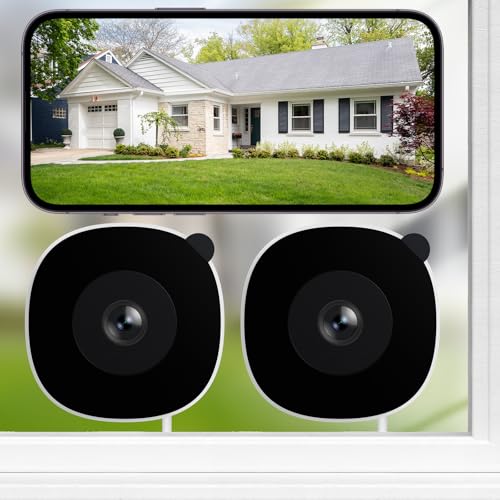
Wireless security cameras offer the convenience of remote monitoring, allowing you to keep an eye on your property from anywhere in the world. With a stable internet connection, you can access live video feeds and recordings on your smartphone, tablet, or computer.
Whether you’re at work, on vacation, or simply away from home, wireless cameras provide peace of mind by letting you check in on your property at any time. Some cameras even offer two-way audio communication, allowing you to speak to visitors or deter potential intruders remotely.
Benefits of Remote Monitoring:
- Convenience: Easily monitor your property from anywhere with an internet connection.
- Peace of Mind: Stay informed about any activity at your home or business, even when you’re not there.
- Interactive Features: Some cameras offer advanced features like two-way audio for enhanced security.


I'm considering investing in wireless security cameras, but I'm worried about their reliability. Could someone share their experience with signal interference? How often does it really happen?
Good question! I have a few wireless cameras, and I've only experienced interference a couple of times, usually during heavy storms or when too many devices are connected to the network. It's manageable if you have a good router.
I’ve been reading about both wired and wireless cameras for a while now. Are wireless cameras really that much easier to install? What are the downsides compared to wired systems?
Wireless cameras are typically easier to install and don’t require professional setup, making them ideal for DIY enthusiasts. However, wired systems offer more reliability and are less prone to hacking or signal issues, which some users find appealing.