
 Carmen J. Moore
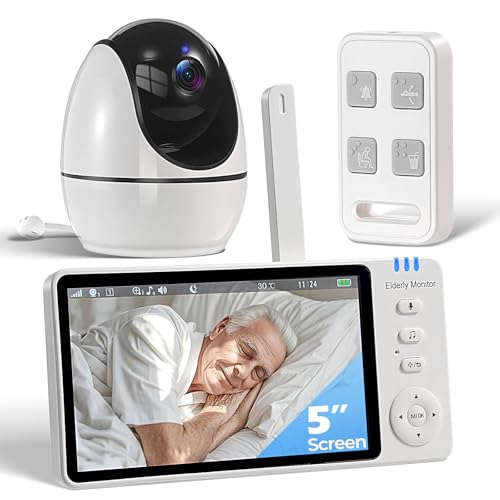
HIPAA (Health Insurance Portability and Accountability Act) regulations are designed to protect the privacy and security of patients’ sensitive health information. While security cameras can be a valuable tool in maintaining a secure environment, are they actually required for HIPAA compliance?


It’s important to note that HIPAA does not specifically mandate the use of security cameras in healthcare settings. Instead, HIPAA focuses on implementing administrative, physical, and technical safeguards to ensure the confidentiality and integrity of protected health information (PHI).
However, healthcare organizations may choose to use security cameras as part of their overall security strategy to help monitor access to sensitive areas, deter potential security breaches, and investigate incidents that may compromise patient privacy. It’s essential for healthcare providers to carefully consider the benefits and limitations of security cameras in the context of HIPAA compliance.
Are Security Cameras Necessary for HIPAA Compliance?
Security cameras are not explicitly required by the Health Insurance Portability and Accountability Act (HIPAA), but they can be a valuable tool for healthcare organizations to enhance security measures and protect patient information. While HIPAA does not mandate the use of security cameras, it does require covered entities to implement appropriate safeguards to protect the privacy and security of protected health information (PHI).
Security cameras can help healthcare facilities monitor access to sensitive areas, deter unauthorized individuals from entering restricted areas, and provide valuable evidence in the event of a security breach or data breach. By enhancing physical security measures with security cameras, healthcare organizations can better safeguard patient information and comply with HIPAA requirements.
Importance of Security Cameras in Healthcare Facilities
Security cameras play a crucial role in maintaining the safety and security of healthcare facilities. Here are some key reasons why security cameras are essential:
- Prevention of Crime: Security cameras act as a deterrent to potential criminals and help prevent theft, vandalism, and other malicious activities within healthcare premises.
- Monitoring of Patients and Staff: Surveillance cameras enable healthcare providers to monitor the movements and interactions of patients, visitors, and staff, ensuring their safety and well-being.
- Enhanced Safety Measures: Security cameras can help identify potential hazards, emergency situations, and suspicious activities, allowing for quick response and implementation of safety protocols.
- Legal Compliance: Healthcare facilities are required to adhere to strict regulations, such as HIPAA, to protect patient confidentiality. Security cameras help ensure compliance with these regulations by monitoring access to sensitive areas and maintaining records of activities.
- Evidence Collection: In the event of incidents or disputes, security camera footage can serve as valuable evidence for investigations, insurance claims, and legal proceedings.
Overall, security cameras are indispensable tools for maintaining a secure and efficient healthcare environment, promoting the well-being of patients, staff, and visitors alike.
HIPAA Regulations and Security Measures
Health Insurance Portability and Accountability Act (HIPAA) regulations require healthcare organizations to implement security measures to protect patients’ sensitive information. Security measures include:
- Access controls to ensure only authorized personnel can access patient data.
- Encryption of data to prevent unauthorized access during transmission or storage.
- Regular security assessments and audits to identify and address vulnerabilities.
- Employee training on security protocols and best practices to prevent data breaches.
- Physical security measures to protect data stored on premises, such as security cameras, access controls, and monitoring systems.
While security cameras are not explicitly required by HIPAA regulations, they can be a valuable tool in enhancing the overall security of healthcare facilities and helping to prevent unauthorized access to sensitive patient information.
Role of Security Cameras in Ensuring Patient Privacy
Security cameras play a crucial role in ensuring patient privacy in healthcare settings. By strategically placing cameras in key areas, healthcare facilities can monitor and record activities to prevent unauthorized access to patient information. Security cameras help maintain a secure environment, deter potential breaches, and provide evidence in case of security incidents.
Moreover, security cameras help healthcare providers comply with HIPAA regulations by ensuring that patient privacy is protected. By monitoring access to sensitive areas and recording any suspicious activities, security cameras help enforce security protocols and prevent data breaches.
In summary, security cameras are essential tools for healthcare facilities to safeguard patient privacy and comply with HIPAA regulations. Properly installed and monitored cameras contribute to creating a secure environment that protects patient information and ensures confidentiality.
Benefits of Security Cameras for HIPAA Compliance
Security cameras play a crucial role in maintaining HIPAA compliance in healthcare facilities. Here are some key benefits of using security cameras:
1. Enhanced Monitoring
- Security cameras provide continuous monitoring of sensitive areas within a healthcare facility, such as patient rooms, pharmacies, and administrative offices.
- They help ensure that only authorized individuals have access to restricted areas, thereby preventing unauthorized access to patient information.
2. Deterrence of Unauthorized Access
- Visible security cameras act as a deterrent to potential intruders or individuals attempting to access confidential patient data without proper authorization.
- Knowing that their actions are being recorded can discourage employees and visitors from engaging in inappropriate behavior that could compromise patient privacy.
Overall, security cameras are an essential tool for maintaining HIPAA compliance by providing enhanced monitoring and deterring unauthorized access to sensitive patient information.
Legal Requirements for Security Cameras in Healthcare Settings
Security cameras play a crucial role in maintaining the safety and security of healthcare facilities, especially when it comes to protecting sensitive patient information. When it comes to HIPAA compliance, security cameras are not explicitly required, but they can be an important tool for ensuring the confidentiality and integrity of patient data.
Key considerations for security cameras in healthcare settings:
1. Patient Privacy: It is essential to place security cameras in such a way that they do not violate patient privacy. Cameras should not capture sensitive information or images of patients without their consent.
2. Data Storage: If security cameras are used to monitor areas where patient information is handled, it is important to ensure that the recorded footage is securely stored and protected from unauthorized access.
3. Access Control: Limiting access to security camera footage to authorized personnel only is crucial to prevent breaches of patient confidentiality.
While security cameras are not explicitly required by HIPAA, healthcare facilities should consider implementing them as part of their overall security and compliance strategy.
Considerations When Implementing Security Cameras for HIPAA Compliance
When considering the implementation of security cameras for HIPAA compliance, healthcare organizations must take into account several key factors to ensure the protection of sensitive patient information:
1. Placement and Coverage
Placement of security cameras is crucial to ensure adequate coverage of areas where protected health information (PHI) may be accessed or stored. Cameras should be strategically positioned to monitor entrances, exits, waiting rooms, and areas where patient consultations take place.
2. Access Control
Access to security camera footage should be restricted to authorized personnel only. Healthcare organizations must implement proper access controls to ensure that only designated individuals can view or retrieve recorded video footage. This helps prevent unauthorized access to patient information and maintains HIPAA compliance.
Challenges of Using Security Cameras in Healthcare Facilities
While security cameras can enhance safety and security in healthcare facilities, their use also presents several challenges:
- Privacy Concerns: Security cameras may inadvertently capture sensitive patient information, violating HIPAA regulations.
- Data Security Risks: Hackers could potentially access the footage from security cameras, compromising patient confidentiality.
- Legal and Ethical Issues: The use of security cameras in healthcare settings raises questions about patient consent and the right to privacy.
- Cost and Maintenance: Installing and maintaining security cameras can be expensive, requiring ongoing investment in equipment and monitoring.
- Staff Training: Healthcare staff may require training on how to appropriately use and access security camera footage.
Alternatives to Security Cameras for HIPAA Compliance
While security cameras can be a useful tool for maintaining HIPAA compliance, there are alternative methods that healthcare organizations can consider:
Access Control Systems
Implementing access control systems can help restrict access to sensitive areas within a healthcare facility. By using keycards or biometric systems, organizations can ensure that only authorized personnel can enter restricted areas.
Encryption and Data Protection
Encrypting data and ensuring proper data protection measures are in place can help safeguard patient information. By implementing encryption protocols and data backup systems, organizations can protect sensitive data from unauthorized access.
While security cameras can still be a valuable tool for monitoring and surveillance, incorporating these alternative methods can enhance overall security and HIPAA compliance within healthcare facilities.
Best Practices for Using Security Cameras in Healthcare Environments
Security cameras play a crucial role in maintaining the safety and security of healthcare environments. When implementing security cameras in healthcare facilities, it is important to follow best practices to ensure compliance with HIPAA regulations and protect patient privacy.
1. Placement of Cameras
Ensure that security cameras are strategically placed in areas where they can effectively monitor entrances, exits, and other high-traffic areas without compromising patient privacy. Avoid placing cameras in areas where patients may have a reasonable expectation of privacy, such as bathrooms and patient rooms.
2. Access Control
Limit access to security camera footage to authorized personnel only. Implement strict access control measures to prevent unauthorized viewing or tampering with the footage. Regularly audit access logs to monitor who has viewed the footage and ensure compliance with HIPAA regulations.


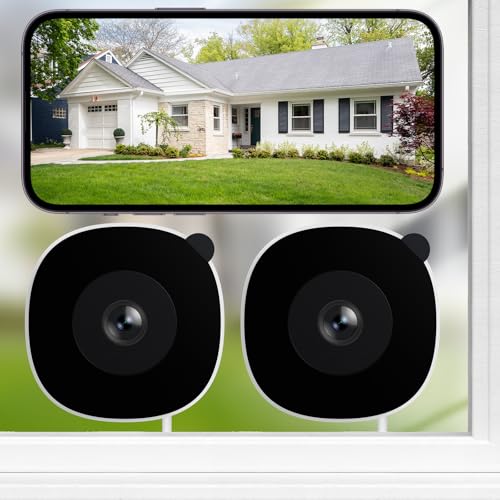
In our facility, we installed security cameras last year. They really helped with monitoring staff access to sensitive areas. However, we had to ensure they don't infringe on patient privacy, which was a bit tricky. Overall, it’s been a great decision for us!
I've seen some healthcare facilities use both security cameras and access control systems. How do these complement each other in ensuring HIPAA compliance?
Security cameras and access control systems work well together. Cameras provide monitoring and evidence collection, while access control limits who can enter restricted areas. Together, they enhance overall security and help maintain HIPAA compliance.
I understand that HIPAA doesn't require security cameras, but does that imply that facilities can choose to not have them at all? What are the risks they might face without any surveillance?
I appreciate this article! It clears up a lot about the role of security cameras in relation to HIPAA compliance.