
 Carmen J. Moore

Security cameras have become a common sight in our modern world, with businesses, government agencies, and even private individuals using them to monitor and protect their property. While security cameras can be an effective tool for deterring crime and providing evidence in the event of an incident, many people have raised concerns about the invasion of privacy that they represent.
One of the main arguments against security cameras is that they can intrude on individuals’ privacy by recording their movements and activities without their consent. This can be particularly concerning in public spaces, where people may feel like they are constantly being watched and monitored.
Furthermore, there is the risk that security camera footage could be misused or accessed by unauthorized individuals, leading to potential breaches of privacy and security. This raises questions about who has access to the footage, how it is stored and protected, and what safeguards are in place to prevent abuse.


Pros and Cons of Using Security Cameras for Privacy Protection
Security cameras can be a valuable tool in protecting privacy by deterring crimes and providing evidence in case of incidents. However, they also raise concerns about invasion of privacy and potential misuse of footage. Here are some pros and cons to consider:
Pros:
1. Deterrence: Visible security cameras can deter criminals from committing crimes on the premises, leading to a safer environment for residents or employees.
2. Evidence: In case of a crime or dispute, security camera footage can provide valuable evidence to law enforcement or insurance companies.
3. Monitoring: Security cameras can help monitor activities in sensitive areas, such as nurseries or warehouses, ensuring safety and security.
Cons:
1. Invasion of Privacy: Security cameras can intrude on the privacy of individuals, especially if placed in private areas like bedrooms or bathrooms.
2. Misuse of Footage: There is a risk of security camera footage being misused or leaked, leading to breaches of privacy or even blackmail.
3. Legal Concerns: The use of security cameras may raise legal concerns about the collection, storage, and sharing of personal data, requiring careful compliance with data protection regulations.
Advantages of Security Cameras
Security cameras offer numerous advantages in terms of safety and security. Some of the key benefits include:
| 1. Crime Prevention: | Security cameras act as a deterrent to potential criminals, reducing the likelihood of crimes such as theft, vandalism, and trespassing. |
| 2. Surveillance: | Cameras provide continuous monitoring of an area, allowing for real-time detection of suspicious activities and quick response to potential threats. |
| 3. Evidence Collection: | Recorded footage from security cameras can serve as valuable evidence in investigations and legal proceedings, helping to identify culprits and resolve disputes. |
| 4. Remote Monitoring: | Many security cameras can be accessed remotely via mobile devices or computers, enabling users to monitor their property from anywhere at any time. |
| 5. Safety: | Security cameras enhance the safety of occupants and visitors by providing a sense of security and facilitating emergency response in case of accidents or incidents. |
Disadvantages of Surveillance Cameras
While security cameras can provide valuable information for law enforcement and security purposes, there are several disadvantages to their use.
Violation of Privacy
One of the main concerns with surveillance cameras is the potential violation of privacy. Constant monitoring of individuals in public spaces can feel intrusive and raise concerns about the misuse of footage.
False Sense of Security
Surveillance cameras can create a false sense of security, leading people to believe they are safer than they actually are. This can result in individuals taking unnecessary risks or neglecting other security measures.
Privacy Concerns with Security Systems
While security cameras can provide valuable protection for homes and businesses, they also raise significant privacy concerns. One of the main issues is the potential for surveillance footage to be misused or accessed by unauthorized individuals.
Unauthorized Access: Hackers may target security camera systems to gain access to live feeds or recorded footage, compromising the privacy of individuals being monitored.
Data Security: Personal information captured by security cameras, such as faces or license plates, could be at risk if the system is not properly secured.
Public Spaces: Security cameras in public areas may inadvertently capture sensitive information about individuals without their consent, raising questions about the right to privacy in public spaces.
Consent and Notification: Clear policies on camera use, consent from individuals being monitored, and proper notification of surveillance can help address privacy concerns and ensure transparency.
In conclusion, while security systems offer important security benefits, it is essential to address privacy concerns to maintain a balance between security and individual privacy rights.
Ethical Issues of Monitoring with Cameras
While security cameras can provide a sense of safety and security, they also raise ethical concerns regarding privacy and surveillance. One of the main ethical issues is the invasion of individuals’ privacy. Constant monitoring through cameras can feel intrusive and make people feel like their every move is being watched.
Another ethical concern is the potential for misuse of surveillance footage. If the footage falls into the wrong hands or is used for purposes other than security, it can lead to violations of privacy and even exploitation of individuals.
The Lack of Consent
One of the key ethical dilemmas with security cameras is the lack of consent from the individuals being monitored. In public spaces, people may not have the choice to opt out of being recorded, leading to a feeling of violation of their privacy.
In conclusion, while security cameras can enhance safety and security, it is essential to consider the ethical implications and ensure that proper measures are in place to protect individuals’ privacy and rights.
Legal Implications of Surveillance Technology
As surveillance technology becomes more advanced and widespread, there are several legal implications that need to be considered. One of the key issues is the balance between security and privacy. While security cameras can help prevent crime and protect public safety, they also have the potential to infringe on individuals’ right to privacy.
In many jurisdictions, there are laws and regulations governing the use of surveillance technology. For example, in the United States, the Fourth Amendment protects against unreasonable searches and seizures, which can include the use of surveillance cameras. Additionally, there are laws that regulate where and how surveillance cameras can be placed, such as in private residences or public spaces.
Another legal implication of surveillance technology is the collection and storage of data. Many surveillance systems record and store footage for extended periods of time, raising concerns about data security and privacy. There are laws that govern the retention and access to this data, such as data protection regulations like the General Data Protection Regulation (GDPR) in the European Union.
| Overall, the legal implications of surveillance technology are complex and evolving, with governments and regulatory bodies constantly adapting to new technologies and threats to privacy. It is important for individuals and organizations to be aware of their rights and responsibilities when using surveillance technology to ensure that it is used in a lawful and ethical manner. |
Recommendations for Balancing Security and Privacy
While security cameras can provide valuable security benefits, it is important to balance them with privacy considerations. Here are some recommendations to help achieve this balance:
1. Transparent Policies
Ensure that there are clear and transparent policies in place regarding the use of security cameras. This includes outlining where cameras are located, who has access to the footage, and how long footage is retained.
2. Limited Data Collection
Only collect the data necessary for security purposes and avoid capturing unnecessary personal information. Limit the scope of data collection to minimize the risk of privacy violations.
| Recommendation | Explanation |
|---|---|
| 3. Secure Data Storage | Ensure that the footage captured by security cameras is securely stored and protected from unauthorized access. Implement encryption and access controls to safeguard the data. |
| 4. Regular Audits | Conduct regular audits of the security camera system to ensure compliance with privacy regulations and identify any potential privacy risks. Address any issues promptly. |


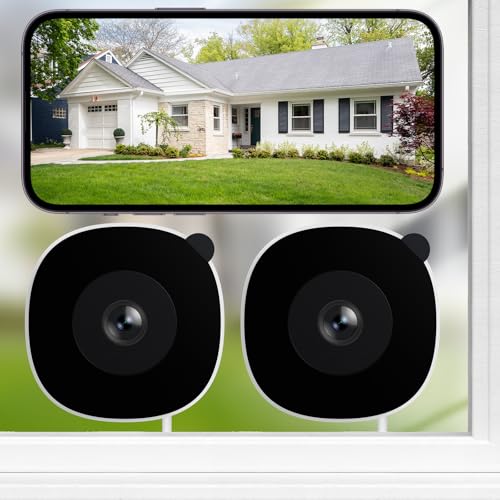
I installed security cameras in my home a year ago, and while they do provide peace of mind, I find myself concerned about privacy. I often wonder if I’m invading my neighbors' privacy without realizing it. Has anyone else felt this way?
I totally get that. I think about my own privacy too. It's a tricky balance.
I disagree with the idea that security cameras invade privacy. If they're placed in public spaces, I think it’s acceptable for safety reasons. People should be aware that they are in public and may be recorded.
Could someone clarify the concept of 'informed consent' in relation to security cameras? Do people need to be notified if they are being recorded in a public space?
I believe that while cameras can deter crime, they also create a sense of being constantly watched, which can be unsettling.