
 Carmen J. Moore

Security cameras play a crucial role in protecting property and ensuring safety. However, the use of audio recordings in security cameras raises questions about privacy and legality.
Many people wonder: Are security cameras with audio legal? The answer to this question depends on various factors, including the location of the camera, the applicable laws, and the consent of those being recorded.
Are Security Cameras with Audio Legal
When it comes to security cameras with audio, the legality can vary depending on the laws and regulations in your specific location. In some places, it is perfectly legal to have security cameras equipped with audio recording capabilities, as long as certain conditions are met.
However, in other areas, there are strict laws regarding audio recording of conversations without consent. It is important to familiarize yourself with the local laws and regulations regarding audio recording before installing security cameras with audio.


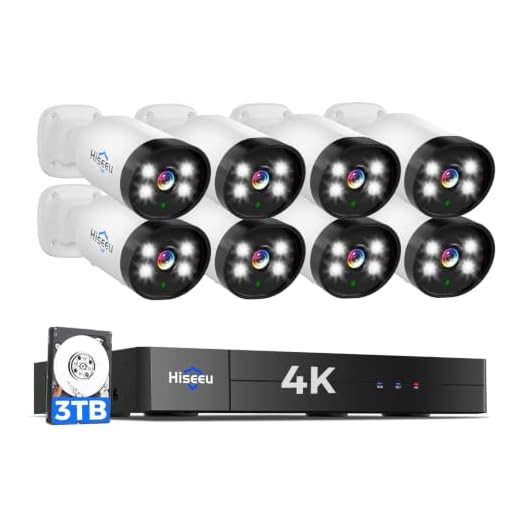
Some jurisdictions may require you to post a notice indicating that audio recording is taking place, while others may prohibit audio recording altogether. Failure to comply with these laws can result in legal consequences.
Before installing security cameras with audio, it is advisable to consult with legal experts or authorities to ensure that you are in compliance with the relevant laws and regulations in your area.
Legal Considerations of Audio Recording
When it comes to security cameras with audio recording capabilities, there are important legal considerations that must be taken into account. While video surveillance is generally accepted and legal in many places, the addition of audio recording can raise additional privacy concerns and legal implications.
Privacy Laws
One of the main legal considerations of audio recording is privacy laws. In some jurisdictions, it is illegal to record audio without the consent of all parties involved. This means that if you are using security cameras with audio in a public space or in a workplace, you may need to inform individuals that they are being recorded and obtain their consent.
Wiretapping Laws
Wiretapping laws also come into play when it comes to audio recording. These laws regulate the interception of oral and electronic communications and vary from country to country. It is important to familiarize yourself with the wiretapping laws in your jurisdiction to ensure that you are in compliance when using security cameras with audio.
| Legal Considerations | Implications |
|---|---|
| Consent | Obtaining consent from individuals being recorded. |
| Privacy Laws | Complying with privacy laws regarding audio recording. |
| Wiretapping Laws | Understanding and adhering to wiretapping laws. |
Privacy Laws and Regulations
When it comes to security cameras with audio, it’s important to be aware of the privacy laws and regulations that govern their use. In many jurisdictions, there are specific rules regarding the recording of audio in addition to video footage.
For example, in some states or countries, it may be illegal to record audio without the consent of all parties involved. This means that if you are considering installing security cameras with audio in a public or shared space, you may need to inform individuals that they are being recorded and obtain their consent.
Penalties for Violating Privacy Laws
Violating privacy laws related to audio recording can result in significant penalties, including fines and legal action. It’s crucial to understand the laws in your area and ensure that you are compliant with them to avoid any potential legal consequences.
Public vs. Private Spaces
When it comes to security cameras with audio, the legality often hinges on whether they are installed in public or private spaces. In public spaces, such as streets, parks, or shopping malls, there are generally fewer restrictions on using security cameras with audio, as individuals do not have a reasonable expectation of privacy in these areas.
On the other hand, installing security cameras with audio in private spaces, such as homes, offices, or private property, can raise privacy concerns. In many jurisdictions, recording audio without consent in private spaces is illegal and can lead to serious legal consequences.
| Public Spaces | Private Spaces |
| Less privacy concerns | More privacy concerns |
| Fewer legal restrictions | Strict legal regulations |
| Common in public surveillance | Requires consent in private settings |
Consent Requirements for Audio Recording
When it comes to security cameras with audio recording capabilities, it is important to be aware of the consent requirements for audio recording. In many jurisdictions, including the United States, the laws regarding audio recording are more strict than those for video recording.
Before implementing security cameras that capture audio, it is crucial to obtain proper consent from all parties involved. This typically means notifying individuals that audio recording is taking place and obtaining their explicit consent to be recorded. Failure to obtain consent could result in legal consequences, such as violating privacy laws or facing civil lawsuits.
It is recommended to clearly display signs indicating that audio recording is in progress in areas where security cameras with audio are installed. This helps to inform individuals that their conversations may be recorded and gives them the opportunity to adjust their behavior accordingly.
Penalties for Illegal Audio Recording
Illegal audio recording, especially through security cameras without proper consent, can result in severe penalties. In many jurisdictions, unauthorized audio recording is considered a violation of privacy laws and can lead to civil lawsuits and criminal charges.
Individuals or businesses found guilty of illegal audio recording may face fines, lawsuits, and even imprisonment depending on the severity of the offense and the laws of the specific region. It is essential to understand and comply with the legal requirements for audio recording to avoid legal consequences.
Best Practices for Using Audio in Security Cameras
When using security cameras with audio capabilities, it is important to follow best practices to ensure compliance with legal regulations and respect for privacy. Here are some guidelines to consider:
1. Inform individuals about audio recording: Before installing security cameras with audio, make sure to inform employees, visitors, or anyone else who may be recorded about the presence of audio recording.
2. Obtain consent when necessary: In some jurisdictions, it may be required to obtain consent from individuals before recording audio. Be sure to follow local laws and regulations regarding audio recording.
3. Use audio only when necessary: Avoid recording audio unless it is necessary for security purposes. Limiting audio recording to specific areas or situations can help reduce privacy concerns.
4. Secure audio recordings: Ensure that audio recordings are stored securely and access is restricted to authorized personnel only. Encrypting audio data can help protect it from unauthorized access.
5. Regularly review and update policies: Periodically review and update your policies regarding audio recording to ensure they are up to date with current laws and regulations.
By following these best practices, you can use audio in security cameras responsibly and effectively to enhance your security measures while protecting privacy rights.


I think it's good to have clear policies and signs if you're using cameras with audio. It just feels right to let people know!
Could you clarify what 'all parties' means when discussing consent? Does it mean everyone in the room has to agree?
I disagree that it's okay to record audio in public spaces. Just because someone is outside doesn't mean they should be recorded without knowledge.