
 Carmen J. Moore

Mirrorless cameras have gained immense popularity among photographers and enthusiasts in recent years due to their compact size, advanced features, and superior image quality. However, one aspect of mirrorless cameras that often raises eyebrows is the price of their lenses. Many people wonder why mirrorless camera lenses are so expensive compared to their DSLR counterparts.
There are several reasons behind the high cost of mirrorless camera lenses. Firstly, the technology used in mirrorless lenses is often more advanced and innovative than traditional DSLR lenses. Mirrorless lenses are designed to work with shorter lens-to-sensor distances, which requires complex optical designs and precision engineering.
Additionally, the smaller market share of mirrorless cameras compared to DSLRs means that manufacturers have to recoup their investments in research and development through higher prices. The demand for mirrorless lenses is also relatively lower, leading to higher production costs per unit.
Why Mirrorless Camera Lenses Cost More
There are several reasons why mirrorless camera lenses tend to be more expensive than their DSLR counterparts:


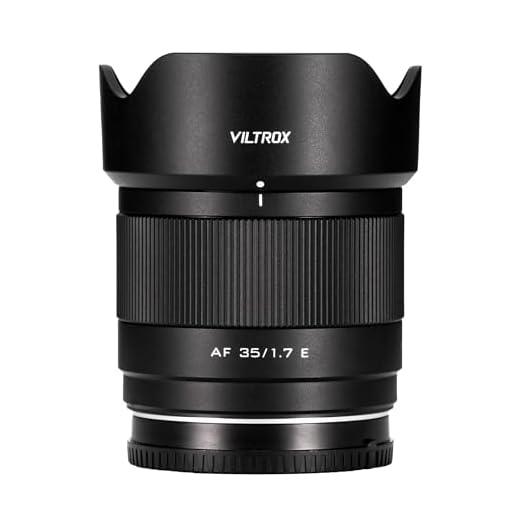
- Technological Advancements: Mirrorless camera lenses often incorporate the latest technology, such as advanced optical designs, image stabilization systems, and autofocus mechanisms. These advancements come at a cost, driving up the price of the lenses.
- Compact Size: Mirrorless cameras are designed to be more compact and lightweight than DSLRs, which requires lenses to be smaller and lighter as well. Achieving high optical performance in a compact lens design can be more challenging and costly.
- Specialized Features: Mirrorless lenses may offer specialized features like wide aperture designs, weather-sealing, or unique focal lengths, which can contribute to a higher price tag.
- R&D Costs: Developing lenses for mirrorless systems involves research and development costs, especially when creating new lens designs or adapting existing ones for mirrorless cameras. These costs are often reflected in the price of the lenses.
- Brand and Reputation: Some premium camera brands have established a reputation for producing high-quality lenses with superior optics. Consumers are willing to pay a premium for lenses from these brands, which can drive up the prices.
Quality Glass Materials
One of the main reasons why mirrorless camera lenses are so expensive is the quality of the glass materials used in their construction. High-quality lenses require precision engineering and premium glass elements to deliver sharp images with minimal distortion and aberrations. Manufacturers invest heavily in research and development to produce advanced optical designs that can meet the demands of modern high-resolution sensors.
Specialized glass materials, such as low-dispersion glass, aspherical elements, and fluorite coatings, are often used in premium lenses to enhance image quality and reduce chromatic aberrations. These materials are more expensive to produce and require advanced manufacturing processes to ensure high optical performance.
Additionally, the complex construction of modern lenses, including multiple lens elements arranged in precise configurations, contributes to the overall cost of production. Each element must be carefully crafted and coated to achieve the desired optical properties, leading to higher manufacturing costs.
Advanced Lens Technologies
One of the reasons why mirrorless camera lenses are so expensive is the advanced technologies used in their construction. Mirrorless camera lenses are designed with cutting-edge optical technologies to deliver high-quality images. These technologies include:
1. Aspherical Elements
Many mirrorless camera lenses incorporate specialized aspherical elements in their design. These elements help correct spherical aberrations and distortions, resulting in sharper images with improved contrast and clarity.
2. High-Performance Coatings
Advanced lens coatings are applied to reduce flare, ghosting, and chromatic aberrations. These coatings help improve light transmission, color accuracy, and overall image quality. The application of multiple coatings adds to the complexity and cost of manufacturing mirrorless camera lenses.
| Advanced Lens Technologies | Description |
|---|---|
| Aspherical Elements | Correct spherical aberrations and distortions for sharper images. |
| High-Performance Coatings | Reduce flare, ghosting, and chromatic aberrations for improved image quality. |
Compact and Lightweight Design
One of the key features of mirrorless camera lenses that contribute to their higher cost is their compact and lightweight design. Unlike traditional DSLR lenses, mirrorless camera lenses are designed to be smaller and lighter, making them more portable and convenient for photographers on the go.
Manufacturers invest in advanced engineering and materials to create compact and lightweight lenses without compromising image quality. This requires precision engineering and the use of high-quality materials, which can drive up the production costs of mirrorless camera lenses.
High Precision Manufacturing
One of the key reasons why mirrorless camera lenses are so expensive is the high precision manufacturing process involved in their production. Mirrorless lenses require extremely precise engineering to ensure optimal performance and image quality. The lenses are made up of multiple glass elements that need to be meticulously crafted and assembled to achieve the desired optical properties.
Specialized Equipment
Manufacturing mirrorless camera lenses requires specialized equipment such as precision grinding and polishing machines, as well as advanced optical coating technologies. These tools are essential for achieving the level of precision needed for high-quality lenses.
Additionally, the manufacturing process often involves multiple quality control checks and testing procedures to ensure that each lens meets the required standards. This meticulous attention to detail adds to the cost of production.
Overall, the high precision manufacturing process involved in creating mirrorless camera lenses contributes significantly to their cost, but it is also what allows these lenses to deliver exceptional image quality and performance.
Customized Lens Mounts
Mirrorless cameras require specialized lens mounts to accommodate their compact design and shorter flange distance. These customized mounts often involve intricate engineering and precision manufacturing to ensure a tight fit and proper alignment with the camera sensor. The complexity of designing and producing these mounts adds to the overall cost of mirrorless camera lenses, as they need to be tailored to each specific camera model to maintain compatibility and functionality.
Electronic Components Integration
One of the key reasons why mirrorless camera lenses are expensive is the integration of electronic components. Mirrorless lenses are designed to work seamlessly with the camera body, requiring sophisticated electronic components to communicate effectively. These components include autofocus motors, image stabilization systems, and electronic aperture controls.
Moreover, mirrorless lenses often feature advanced technologies such as autofocus tracking, silent operation, and weather sealing, all of which rely on intricate electronic integration. The cost of developing and manufacturing these electronic components adds to the overall price of mirrorless camera lenses.
Specialized Lens Coatings
One of the reasons why mirrorless camera lenses can be expensive is due to the specialized coatings applied to the lens elements. These coatings help reduce lens flare, ghosting, and chromatic aberrations, resulting in sharper and clearer images. The process of applying these coatings requires advanced technology and precision, which adds to the cost of manufacturing the lenses.
Research and Development Costs
One of the key factors contributing to the high cost of mirrorless camera lenses is the extensive research and development that goes into designing and manufacturing these advanced optics. Camera manufacturers invest significant resources in developing cutting-edge lens technology, including new optical designs, advanced coatings, and innovative materials.
Research and development costs can include expenses related to testing prototypes, conducting optical simulations, and refining manufacturing processes to ensure high-quality performance. Additionally, manufacturers often collaborate with optical engineers and designers to create lenses that meet the demands of professional photographers and videographers.
These research and development efforts are essential for producing lenses with superior image quality, fast autofocus capabilities, and compact designs. As a result, the investment in innovation and technology drives up the overall cost of mirrorless camera lenses compared to traditional lens types.
| Image Quality | Fast Autofocus | Compact Design |
| Superior optics | Advanced focusing systems | Lightweight construction |
Limited Market Demand
Another factor contributing to the high cost of mirrorless camera lenses is the limited market demand. Mirrorless cameras are still a relatively new technology compared to DSLR cameras, and the market for mirrorless camera lenses is not as large. This means that manufacturers have to recoup their costs from a smaller customer base, resulting in higher prices for consumers.


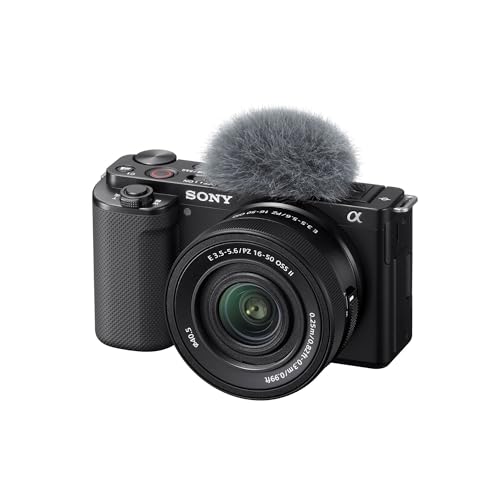


I recently bought a mirrorless lens, and I can definitely feel the quality difference compared to my old DSLR lenses. The sharpness and clarity are incredible, especially in low light. However, the price was a bit shocking at first. I guess you get what you pay for in terms of quality!
That's interesting! I've been hesitant to switch to mirrorless because of the lens prices, but hearing about the quality might change my mind.