
 Carmen J. Moore
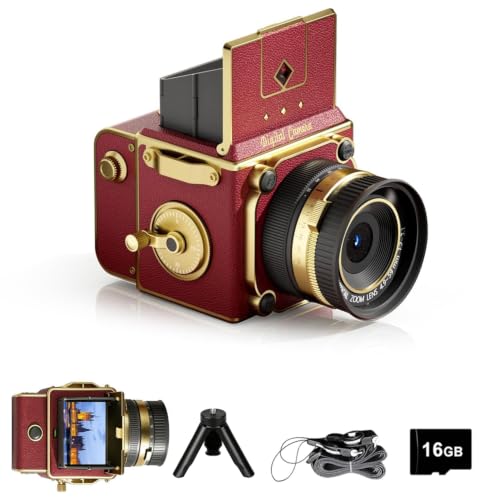
A mirrorless camera is a modern marvel of technology, offering photographers a compact and lightweight alternative to traditional DSLRs. One of the key features of a mirrorless camera is its electronic viewfinder, which displays a digital representation of the scene being captured. But does this viewfinder accurately emulate the exposure of the final image?


When you look through the viewfinder of a mirrorless camera, you are seeing a live feed of the sensor’s output, which means that the exposure displayed is a real-time representation of the image being captured. This can be incredibly helpful when composing a shot, as you can see the effects of changes to settings such as aperture, shutter speed, and ISO before taking the picture.
However, there are some factors to consider when using a mirrorless camera viewfinder to judge exposure. The digital representation may not always perfectly match the final image, especially in challenging lighting conditions or when using certain shooting modes. It’s important for photographers to be aware of these limitations and to use tools like histograms to ensure accurate exposure.
Understanding Mirrorless Camera Viewfinders
When it comes to mirrorless cameras, the viewfinder plays a crucial role in composing your shots and understanding the exposure of your images. Unlike traditional DSLRs, mirrorless cameras use electronic viewfinders (EVFs) or LCD screens for framing your shots.
Emulating Exposure in Mirrorless Camera Viewfinders
One of the key advantages of mirrorless camera viewfinders is that they can provide a real-time preview of your exposure settings. This means that when you adjust your aperture, shutter speed, or ISO, you can see the immediate impact on the image through the viewfinder. This can help you make more informed decisions about your exposure settings and ensure that you capture the image exactly as you envision it.
Key Differences Between Mirrorless and DSLR Viewfinders
When comparing mirrorless and DSLR cameras, one of the key differences lies in their viewfinders. Here are some important distinctions:
1. Optical vs. Electronic Viewfinder
DSLR cameras use an optical viewfinder that allows you to see the actual scene through the lens using mirrors and prisms. On the other hand, mirrorless cameras use an electronic viewfinder (EVF) that displays a digital preview of the image captured by the sensor.
2. Exposure Simulation
In DSLR cameras, the optical viewfinder does not directly simulate the exposure of the final image. On the contrary, mirrorless cameras with EVFs can provide a real-time preview of the exposure, allowing you to see how changes in settings like aperture and shutter speed affect the final image.
How Mirrorless Cameras Emulate Exposure in Viewfinders
When you look through the viewfinder of a mirrorless camera, you are seeing a digital representation of the scene in real-time. This digital representation is created by the camera’s image sensor, which captures the light entering the lens and processes it to display an image on the electronic viewfinder.
One of the key advantages of mirrorless cameras is their ability to provide a WYSIWYG (What You See Is What You Get) viewfinder experience. This means that the exposure and white balance settings you have selected are reflected in real-time in the viewfinder image. As you adjust settings like aperture, shutter speed, and ISO, you can see the immediate impact on the exposure of the image in the viewfinder.
Additionally, many mirrorless cameras offer features like focus peaking and zebras in the viewfinder, which help you accurately judge exposure and focus while composing your shot. These tools provide visual indicators on the viewfinder screen to help you achieve the desired exposure and focus for your image.
In conclusion, mirrorless cameras use their electronic viewfinders to emulate exposure by providing a real-time representation of the scene with the selected camera settings applied. This allows photographers to make informed decisions about exposure and composition before capturing the final image.
Advantages of Using a Mirrorless Camera Viewfinder
1. Real-Time Exposure Simulation: Mirrorless camera viewfinders often provide real-time exposure simulation, allowing you to see how your image will look before you even take the shot. This feature can help you adjust settings like aperture, shutter speed, and ISO to achieve the desired exposure.
2. Compact and Lightweight: Mirrorless cameras are generally smaller and lighter than DSLRs, making them more portable and convenient for travel or long shooting sessions. The electronic viewfinder in mirrorless cameras contributes to their compact design.
3. WYSIWYG (What You See Is What You Get): With a mirrorless camera viewfinder, what you see is a digital representation of the final image. This allows you to compose your shots more accurately and make precise adjustments to achieve your desired results.
4. Customizable Display: Many mirrorless cameras offer customizable viewfinder displays, allowing you to tailor the information shown in the viewfinder to your preferences. This can include histograms, grids, focus peaking, and other useful tools to enhance your shooting experience.
5. Silent Shooting: Mirrorless cameras often have electronic shutters, which enable silent shooting modes. This can be beneficial in situations where noise may be disruptive, such as during weddings, performances, or wildlife photography.
Challenges of Adjusting Exposure with a Mirrorless Viewfinder
When using a mirrorless camera with an electronic viewfinder (EVF), adjusting exposure can pose unique challenges compared to traditional optical viewfinders. The digital display in the EVF may not always accurately reflect the final exposure of the image, leading to potential exposure discrepancies.
1. EVF Lag and Refresh Rate
One of the main challenges is the lag and refresh rate of the EVF. The delay between adjusting exposure settings and seeing the updated image in the viewfinder can make it difficult to fine-tune exposure in real-time. This lag can result in over or underexposed images if adjustments are made based solely on the EVF display.
2. Electronic vs. Optical Feedback
Unlike optical viewfinders that show the actual light passing through the lens, EVFs rely on electronic feedback to display the image. This electronic representation may not always accurately reflect the final exposure settings, leading to discrepancies between what is seen in the viewfinder and the captured image.
Therefore, when using a mirrorless camera with an EVF, photographers should be aware of these challenges and consider using tools like the camera’s histogram or test shots to ensure accurate exposure adjustments.
Importance of Accurate Exposure in Photography
Exposure is a critical element in photography, as it determines how light or dark an image will appear. Accurate exposure ensures that the details in the shadows and highlights are captured properly, resulting in a well-balanced and visually appealing photograph.
Proper exposure can make or break a photo, affecting the overall quality and impact of the image. Overexposed images may lose detail in the highlights, while underexposed images can result in loss of detail in the shadows. Finding the right balance is essential for creating a compelling photograph.
Key Factors in Achieving Accurate Exposure:
- Aperture: Controls the amount of light entering the camera
- Shutter Speed: Determines the duration of light exposure
- ISO: Adjusts the camera’s sensitivity to light
Whether using a mirrorless camera with an electronic viewfinder or a traditional DSLR, understanding exposure settings and their impact on the final image is crucial for producing professional-quality photographs.
Comparing Viewfinder Technologies in Mirrorless Cameras
When it comes to mirrorless cameras, the viewfinder technology plays a crucial role in providing photographers with an accurate representation of the image they are capturing. There are two main types of viewfinders found in mirrorless cameras: electronic viewfinders (EVF) and optical viewfinders (OVF).
Electronic Viewfinders (EVF): EVFs use a digital display to show the photographer a real-time preview of the scene. They are essentially mini screens that simulate the final exposure of the image, taking into account settings like aperture, shutter speed, and ISO. This allows photographers to preview the exposure and make adjustments before taking the shot.
One of the key advantages of EVFs is that they provide a WYSIWYG (what you see is what you get) preview of the image, helping photographers achieve accurate exposure and composition.
Optical Viewfinders (OVF): In contrast, OVFs use mirrors and prisms to reflect the scene directly into the photographer’s eye. While OVFs offer a direct view of the scene, they do not provide a preview of the final exposure. Photographers using OVF must rely on their knowledge and experience to set the correct exposure settings.
OVFs are favored by some photographers for their optical clarity and lack of lag, but they require a deeper understanding of exposure principles to achieve the desired results.
Ultimately, the choice between an EVF and an OVF comes down to personal preference and shooting style. Both technologies have their strengths and weaknesses, and the best viewfinder for you will depend on your specific needs as a photographer.
Tips for Using a Mirrorless Camera Viewfinder Effectively
When using a mirrorless camera, the viewfinder plays a crucial role in composing your shots and adjusting settings. Here are some tips for making the most of your mirrorless camera viewfinder:
1. Adjust the Diopter: Before you start shooting, make sure to adjust the diopter on your camera’s viewfinder to match your eyesight. This will ensure that the image you see is sharp and in focus.
2. Use the Electronic Level: Many mirrorless cameras come equipped with an electronic level in the viewfinder. This can help you ensure that your horizons are straight and your compositions are well-balanced.
3. Check the Exposure: While the viewfinder may not always accurately reflect the final exposure of your image, it can give you a good indication of the overall brightness and contrast. Use exposure compensation if needed.
4. Utilize Focus Peaking: Some mirrorless cameras offer focus peaking in the viewfinder, which highlights in-focus areas of your image. This can be especially helpful for manual focusing.
5. Experiment with Gridlines: Gridlines in the viewfinder can help you compose your shots more effectively, ensuring that your subjects are placed according to the rule of thirds or other compositional guidelines.
6. Practice Regularly: The more you use your mirrorless camera’s viewfinder, the more comfortable you will become with it. Practice using different settings and techniques to improve your skills.


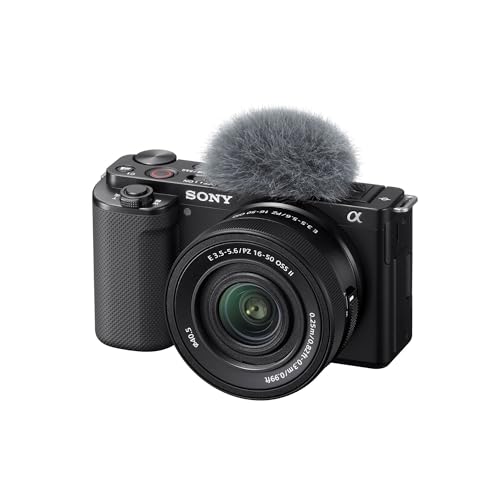


I’m really interested in mirrorless cameras but I’m confused about how the electronic viewfinder works. Does it always show the correct exposure, or are there times I should be cautious?
I switched from a DSLR to a mirrorless camera recently, and the real-time exposure feedback has been a game changer for me. It’s especially helpful when I’m shooting in varying lighting conditions. I still tend to check my histogram, just to be safe, but overall, I find it much easier to get the exposure right on the first try.
I’m curious about how well the electronic viewfinders in mirrorless cameras perform in low light. Do they still provide a clear image, or do they struggle?
I don’t entirely agree that mirrorless cameras are better for exposure. I’ve had issues with the EVF not matching my final images, especially in low light.
Thanks for sharing your perspective! It's true that EVFs can have limitations, especially under challenging lighting conditions. Using histograms can help mitigate these issues.
Good article! I’m curious, how reliable is the exposure preview in varying lighting conditions? Can it mislead you?
The customizable displays on mirrorless cameras are a game-changer! I love being able to see histograms and focus peaking while composing my shots.
I've used both mirrorless and DSLR cameras, and I find the electronic viewfinder on my mirrorless camera much more intuitive. The WYSIWYG experience really helps to visualize exposure changes immediately, unlike the delay I sometimes face with DSLRs. However, I do miss the optical clarity of a traditional viewfinder in bright sunlight.
I've recently switched to a mirrorless camera, and I can say the real-time exposure is super helpful! However, I noticed in very bright sunlight, the viewfinder can sometimes struggle. I ended up relying more on the histogram to double-check my settings. Has anyone else had a similar experience?
I've had some mixed experiences with mirrorless viewfinders. When I first switched from a DSLR to a mirrorless camera, I loved the real-time exposure simulation. It helped a lot while composing shots. However, I noticed that in very bright conditions, the EVF can sometimes get a bit washed out. I had to rely on the histogram more often to ensure my exposure was correct. Overall, I think the benefits outweigh the downsides, but it's something to keep in mind.
Does the lag in the EVF really impact your ability to adjust exposure on the fly? I’ve heard mixed opinions.