
 Carmen J. Moore

When it comes to photography, the choice of camera and lenses plays a crucial role in capturing the perfect shot. Mirrorless cameras have gained popularity in recent years due to their compact size, lightweight design, and advanced features. However, some photographers wonder if mirrorless cameras need fine-tuning with lenses to achieve optimal performance.
Unlike traditional DSLR cameras that use a mirror to reflect light into the viewfinder, mirrorless cameras have an electronic viewfinder and no mirror mechanism. This design allows for faster autofocus and continuous shooting, but it can also introduce challenges when it comes to lens compatibility and calibration.
Some photographers have reported issues with front or back focusing when using certain lenses on mirrorless cameras. This can result in images that are slightly out of focus or lack sharpness, especially when shooting at wide apertures. To address this issue, some mirrorless cameras offer the option to fine-tune lenses for optimal performance.


Are Mirrorless Cameras Accurate?
One of the key advantages of mirrorless cameras is their accuracy when it comes to focusing. The electronic viewfinder in mirrorless cameras provides a real-time preview of the image, allowing for precise composition and focusing. This can result in more accurate and consistent focus compared to traditional DSLRs.
Additionally, mirrorless cameras often feature advanced autofocus systems with a high number of focus points, allowing for quick and accurate focusing, even in challenging lighting conditions. Some mirrorless cameras also offer eye detection and tracking capabilities, further enhancing their accuracy in capturing sharp images of moving subjects.
Overall, mirrorless cameras are known for their accuracy and precision, making them a popular choice for photographers who require fast and reliable focusing performance.
Understanding Lens Calibration
When using mirrorless cameras, it is important to understand the concept of lens calibration. Lens calibration involves adjusting the focus of the lens to ensure sharp and accurate images. This process is necessary because slight variations in manufacturing can lead to inconsistencies in autofocus performance.
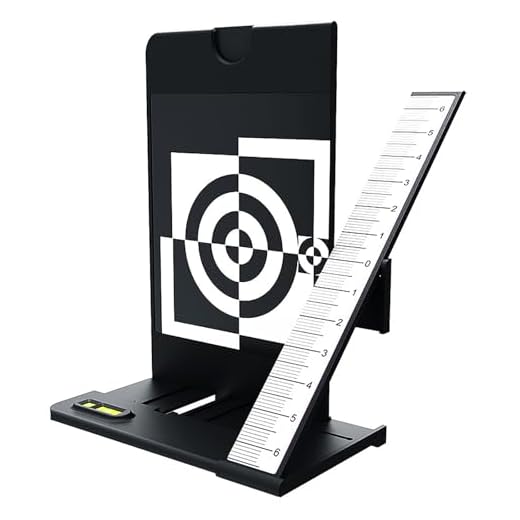
Calibrating your lens with your mirrorless camera involves fine-tuning the autofocus system to achieve optimal results. This can be done using the camera’s built-in calibration settings or by using a specialized calibration tool.
By calibrating your lens, you can ensure that your mirrorless camera is accurately focusing on your subject, resulting in sharp and crisp images. It is recommended to calibrate your lenses regularly, especially if you notice any inconsistencies in focus accuracy.
Understanding lens calibration is essential for photographers using mirrorless cameras to achieve the best possible image quality. By taking the time to calibrate your lenses, you can enhance the performance of your camera and capture stunning photos with precision.
Importance of Fine-Tuning
Fine-tuning your lenses with mirrorless cameras can significantly improve the overall sharpness and accuracy of your images. By adjusting the focus calibration, you can ensure that your camera and lens are perfectly in sync, resulting in sharper images with better clarity and detail.
Without fine-tuning, you may experience issues such as front or back focusing, where the focus point is slightly off from where it should be. This can lead to frustrating results, especially when shooting at wide apertures or in challenging lighting conditions.
By taking the time to fine-tune your lenses, you can maximize the performance of your mirrorless camera and achieve consistently sharp and accurate images in every shot.
Pros and Cons of Mirrorless Cameras
Mirrorless cameras offer several advantages over traditional DSLRs. One of the main benefits is their compact and lightweight design, making them ideal for travel and everyday use. They also tend to have faster autofocus systems and continuous shooting speeds, making them great for capturing fast-moving subjects.
Additionally, mirrorless cameras often have electronic viewfinders that provide a real-time preview of the image, allowing for more accurate composition and exposure adjustments. These cameras also have fewer moving parts, reducing the risk of mechanical failures.
Pros:
1. Compact and Lightweight Design: Mirrorless cameras are smaller and lighter than DSLRs, making them easier to carry around.
2. Fast Autofocus and Continuous Shooting: Mirrorless cameras typically have faster autofocus systems and higher continuous shooting speeds.
Cons:
1. Battery Life: Mirrorless cameras tend to have shorter battery life compared to DSLRs due to the use of electronic viewfinders and continuous autofocus.
2. Limited Lens Selection: While the lens selection for mirrorless cameras is growing, it may still be more limited compared to DSLRs, especially for specialized lenses.
How to Perform Lens Calibration
Calibrating your lens with your mirrorless camera is essential to ensure optimal focus accuracy. Here are the steps to perform lens calibration:
-
Set Up Your Camera: Mount your camera on a sturdy tripod and focus on a target that has high contrast and detail.
-
Enable Autofocus Microadjustment: Access the camera’s menu and locate the autofocus microadjustment feature. Enable it to make adjustments.
-
Take Test Shots: Take multiple shots of the target at different autofocus microadjustment values to determine the optimal setting.
-
Analyze Results: Review the test shots on a computer to identify the setting that produces the sharpest focus.
-
Apply Calibration: Once you determine the correct adjustment value, apply it to your lens through the camera’s menu.
-
Test and Refine: Take additional test shots to ensure the focus is accurate, and refine the calibration if necessary.
Important Tips:
- Perform lens calibration in good lighting conditions for accurate results.
- Repeat the calibration process periodically, especially when changing lenses or experiencing focus issues.
When to Adjust Your Lenses
Adjusting your lenses on a mirrorless camera may be necessary in the following situations:
- When you notice consistent front or back focus issues in your photos.
- When you frequently switch between different lenses and notice differences in focus accuracy.
- If you are using third-party lenses that may not be perfectly calibrated to your camera.
Regularly checking and fine-tuning your lenses can help ensure sharp and accurate focus in your images, especially in critical situations such as portrait or macro photography.
Final Thoughts on Mirrorless Cameras
Overall, mirrorless cameras offer a compact and lightweight alternative to traditional DSLRs, making them popular among photographers who value portability and convenience. The absence of a mirror mechanism allows for faster shooting speeds and quieter operation, making mirrorless cameras ideal for capturing candid moments or shooting in discreet settings.
Additionally, mirrorless cameras often feature advanced autofocus systems and electronic viewfinders that provide a real-time preview of the image, allowing photographers to fine-tune their compositions with precision. While some mirrorless cameras may require lens calibration or fine-tuning for optimal performance, the overall versatility and image quality they offer make them a compelling choice for many photographers.



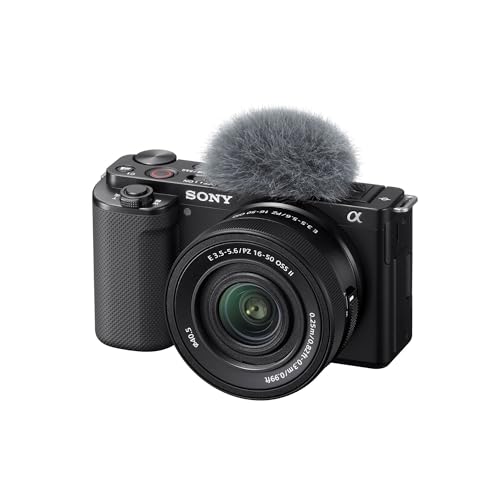


I recently switched to a mirrorless camera, and I did notice that some of my older lenses weren’t focusing accurately. After calibrating them, the sharpness improved significantly! However, it took me a few tries to get the settings just right. It’s definitely worth the effort, especially for portraits.
That’s great to hear! Did you use the camera's built-in calibration tools or did you go for a third-party calibration tool?
Using the built-in calibration tools is often sufficient for most photographers. However, for those requiring precision, third-party tools can offer more detailed adjustments.
I’ve heard that some mirrorless cameras have trouble with certain lenses. Do all mirrorless cameras require fine-tuning, or is it just specific models and lenses?
I’m not convinced that fine-tuning is necessary for all situations. I’ve shot plenty without any issues at all. Maybe it’s just a personal preference?