
 Carmen J. Moore
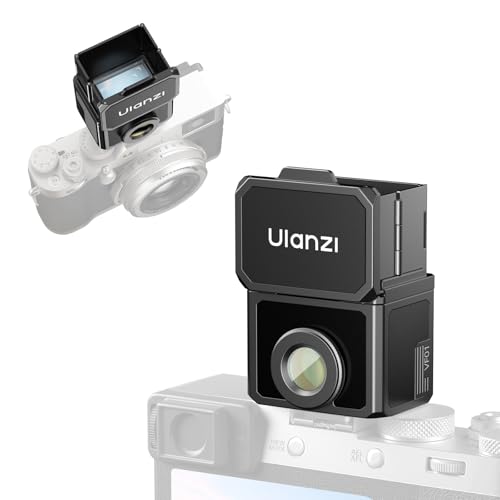
Mirrorless cameras have become increasingly popular in the world of photography due to their compact size, lightweight design, and advanced features. One common question that arises when considering a mirrorless camera is whether or not it comes with a viewfinder.
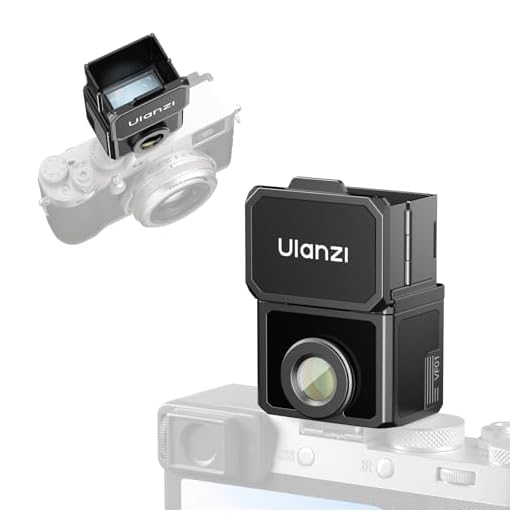

Traditionally, DSLR cameras have optical viewfinders that allow photographers to see exactly what the lens sees through a system of mirrors and prisms. Mirrorless cameras, on the other hand, do not have a mirror mechanism, so they rely on electronic viewfinders (EVF) or LCD screens for composing and framing shots.
Electronic viewfinders in mirrorless cameras provide a digital representation of the scene, offering real-time exposure and white balance preview, as well as overlays for settings and shooting information. Some photographers prefer the electronic viewfinder for its versatility and accuracy in displaying the final image.
Mirrorless Cameras Overview
Mirrorless cameras are a popular choice among photographers for their compact size, lightweight design, and advanced features. Unlike traditional DSLR cameras, mirrorless cameras do not have a mirror mechanism inside the camera body.
Key Features:
1. Interchangeable lenses: Mirrorless cameras allow photographers to swap out lenses to achieve different focal lengths and creative effects.
2. Electronic viewfinders: Some mirrorless cameras come equipped with electronic viewfinders, providing a real-time preview of the image as it will be captured.
Benefits of Mirrorless Cameras
Mirrorless cameras offer several advantages over traditional DSLR cameras:
| Compact Size: | Due to the absence of a mirror mechanism, mirrorless cameras are generally smaller and lighter than DSLRs, making them more portable and convenient for travel or everyday use. |
| Electronic Viewfinder (EVF): | Many mirrorless cameras feature electronic viewfinders that provide a real-time preview of the image, allowing for more accurate framing and exposure control without the need to rely solely on the rear LCD screen. |
| Faster Autofocus: | Thanks to advanced autofocus systems, mirrorless cameras often offer faster and more precise focusing, especially when shooting moving subjects or in low light conditions. |
| Silent Shooting: | With no mirror slap, mirrorless cameras can operate in near-silence, making them ideal for capturing candid moments or shooting in quiet environments. |
| Adaptability: | Mirrorless cameras can use a wide range of lenses through adapters, allowing photographers to experiment with different lens systems or use their existing lenses from other camera brands. |
Viewfinders in Mirrorless Cameras
One of the key differences between mirrorless cameras and DSLRs is the viewfinder. Mirrorless cameras typically have electronic viewfinders (EVFs) or rely on the camera’s LCD screen for composing images, rather than optical viewfinders found in DSLRs.
Electronic viewfinders in mirrorless cameras are essentially small screens that show a digital representation of what the camera sensor sees. They offer a real-time preview of the image being captured, allowing photographers to see exposure settings, white balance, and other camera settings directly through the viewfinder.
Some mirrorless cameras also feature tilting or articulating EVFs, which can be useful for shooting at different angles or in challenging lighting conditions. Additionally, EVFs can provide overlays for histograms, focus peaking, and other helpful tools to aid in composition and focus accuracy.
| Pros of EVFs in Mirrorless Cameras | Cons of EVFs in Mirrorless Cameras |
|---|---|
| Real-time exposure preview | Can drain battery faster |
| Overlay information for composition | Some users prefer optical viewfinders |
| Useful tools like focus peaking | Quality and lag issues in some EVFs |
Overall, electronic viewfinders in mirrorless cameras offer a modern and versatile way to compose images, providing photographers with a range of tools and features to enhance their shooting experience.
Types of Viewfinders
There are several types of viewfinders used in cameras, including mirrorless cameras:
- Electronic Viewfinder (EVF): EVFs are common in mirrorless cameras and display a digital image of what the camera sensor sees. They provide a real-time preview of the shot.
- Optical Viewfinder (OVF): OVF uses a system of mirrors and prisms to show the view through the camera lens. This type is more common in DSLR cameras.
- Hybrid Viewfinder: Some cameras, like certain Fujifilm models, combine both electronic and optical elements to offer a versatile shooting experience.
- LCD Screen: While not a traditional viewfinder, the LCD screen on the back of the camera can also be used for composing shots in mirrorless cameras.
Each type of viewfinder has its advantages and limitations, catering to different shooting styles and preferences.
Electronic Viewfinders (EVF)
Electronic Viewfinders (EVF) are small displays built into mirrorless cameras that simulate the traditional optical viewfinder found in DSLR cameras. They provide a real-time preview of the scene you are capturing, including exposure settings, white balance, and other relevant information. EVFs offer a clear and detailed view of the image, allowing photographers to compose their shots accurately.
Modern EVFs are designed to offer high resolution, fast refresh rates, and accurate color reproduction, making them a viable alternative to optical viewfinders. They also have the advantage of displaying the image exactly as it will be captured, helping photographers make informed decisions about their composition and exposure settings.
Optical Viewfinders (OVF)
Optical Viewfinders (OVF) are traditional viewfinders that use a system of mirrors and prisms to show you the scene directly through the lens. This allows you to see exactly what the lens sees, giving you a clear and accurate representation of your composition. OVFs are commonly found in DSLR cameras and some high-end mirrorless cameras.
Advantages of Optical Viewfinders:
1. Direct view of the scene without any electronic display
2. No lag or delay in the image preview
3. Clear and bright view even in bright sunlight
4. Precise framing and composition
Disadvantages of Optical Viewfinders:
1. Limited information overlay compared to electronic viewfinders
2. Bulkier and heavier design compared to electronic viewfinders
3. Limited functionality for advanced shooting modes
| Feature | Explanation |
|---|---|
| Brightness | OVFs offer a bright and clear view of the scene, making it easier to compose your shot. |
| Lack of Information Overlay | OVFs do not display additional information like electronic viewfinders, limiting the data available while shooting. |
| Real-time View | With an OVF, you see the scene in real-time without any lag or delay, allowing for precise timing in capturing the moment. |


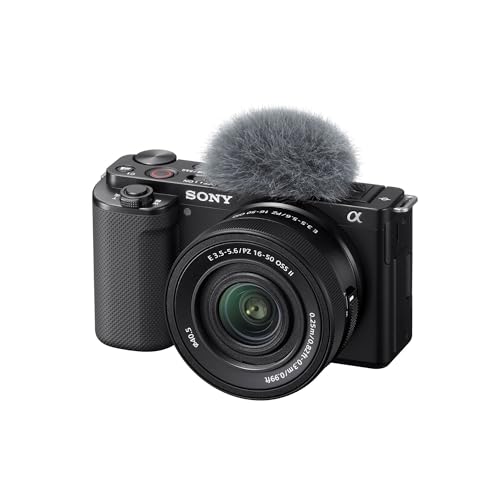


Do all mirrorless cameras have electronic viewfinders, or are there some models that only use LCD screens? I'm trying to decide which one to buy, and I want to make sure I get a viewfinder.
Not all mirrorless cameras have electronic viewfinders; some models rely solely on LCD screens for composing shots. When choosing, look for models specifically stating they have an EVF if that feature is important to you.
Can someone explain the difference between EVFs and hybrid viewfinders? I'm a bit confused about what to expect from each.
I actually prefer optical viewfinders over electronic ones. I find EVFs can lag and sometimes aren't as responsive. Plus, I like seeing exactly what the lens sees without any electronic interference.
I see your point, but I think EVFs have improved significantly, and the overlays for settings are super helpful.
I recently switched from a DSLR to a mirrorless camera with an EVF, and I love how I can see the exposure settings in real-time. It’s such a game changer for my photography!