
 Carmen J. Moore

One of the key advantages of mirrorless cameras is their versatility when it comes to lens compatibility. Many photographers wonder if they can use their existing Canon or Nikon lenses with a mirrorless camera, and the answer is yes, with some caveats.


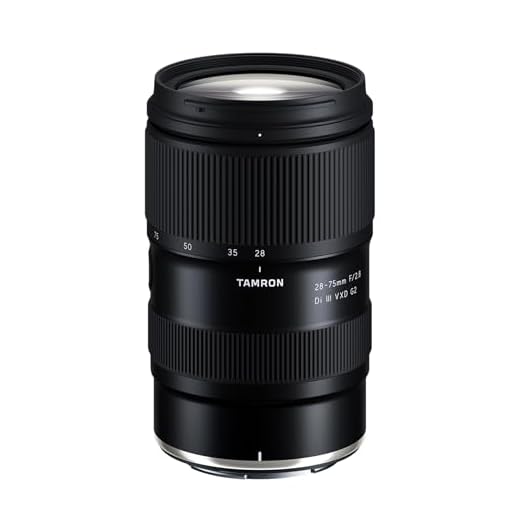
Many mirrorless camera manufacturers offer adapters that allow you to mount Canon or Nikon lenses onto their mirrorless bodies. These adapters ensure that the lenses can communicate with the camera, enabling autofocus and other features to work seamlessly. However, there may be limitations in terms of functionality and performance when using these adapters.
It’s important to note that while you can use Canon or Nikon lenses on a mirrorless camera, the experience may not be the same as using native lenses designed specifically for the mirrorless system. Some features like autofocus speed and image stabilization may not perform as well with adapted lenses.
Compatibility of Canon Lenses with Mirrorless Cameras
When it comes to using Canon lenses with mirrorless cameras, it’s important to consider the compatibility between the two systems. Canon has introduced a range of mirrorless cameras that use the EF-M mount, such as the EOS M series. These cameras are designed to work seamlessly with Canon EF-M lenses, offering photographers a compact and lightweight option for their photography needs.
However, if you have a collection of Canon EF or EF-S lenses that you want to use with a mirrorless camera, you can still achieve compatibility with the help of lens adapters. There are various adapters available on the market that allow you to mount Canon EF or EF-S lenses onto mirrorless cameras with different mounts, such as Canon RF or Sony E-mount.
Benefits of using Canon lenses with mirrorless cameras:
- Image quality: Canon lenses are known for their high-quality optics, delivering sharp and detailed images.
- Compatibility: With the right adapter, you can use your existing Canon lenses with a mirrorless camera, expanding your creative possibilities.
- Autofocus performance: Some adapters offer autofocus capabilities, allowing you to maintain fast and accurate focusing when using Canon lenses on a mirrorless camera.
Overall, the compatibility of Canon lenses with mirrorless cameras opens up a world of possibilities for photographers, allowing them to leverage their existing lens collection while enjoying the benefits of mirrorless technology.
Using Nikon Lenses on Mirrorless Cameras
Many photographers wonder if they can use their Nikon lenses on mirrorless cameras. The good news is that with the right adapter, it is possible to mount Nikon lenses on mirrorless cameras.
Adapters are available that allow you to attach Nikon F-mount lenses to mirrorless cameras from various manufacturers such as Sony, Canon, Fujifilm, and others. These adapters provide a secure connection between the lens and the camera body, allowing you to use your existing Nikon lenses with your mirrorless camera.
Benefits of Using Nikon Lenses on Mirrorless Cameras
- Cost-effective: Instead of investing in a new set of lenses, you can continue to use your Nikon lenses on a mirrorless camera.
- Compatibility: You can take advantage of the optical quality and characteristics of your Nikon lenses on a mirrorless camera.
- Versatility: By using adapters, you can explore different creative possibilities by pairing Nikon lenses with a mirrorless camera.
Benefits of Using Canon Lenses on Mirrorless Cameras
When it comes to mirrorless cameras, using Canon lenses can offer numerous advantages:
1. Compatibility
Canon lenses are designed to work seamlessly with Canon cameras, but with the right adapter, they can also be used on mirrorless cameras. This allows photographers to leverage their existing collection of Canon lenses without having to invest in a whole new set of lenses.
2. Quality and Performance
Canon lenses are known for their high quality and excellent performance. When paired with a mirrorless camera, these lenses can deliver outstanding image quality, sharpness, and color reproduction. Whether capturing portraits, landscapes, or action shots, Canon lenses can help photographers achieve their desired results.
Advantages of Using Nikon Lenses on Mirrorless Cameras
When using Nikon lenses on mirrorless cameras, photographers can benefit from:
- Compatibility: Nikon lenses are designed for Nikon cameras, ensuring seamless integration and optimal performance.
- Image Quality: Nikon lenses are renowned for their exceptional image quality, sharpness, and color reproduction, enhancing the overall output of mirrorless cameras.
- Autofocus Performance: Nikon lenses often feature fast and accurate autofocus systems, enabling quick and precise focusing on mirrorless camera bodies.
- Lens Selection: Nikon offers a wide range of lenses, including prime, zoom, and specialty lenses, providing photographers with diverse creative options.
- Build Quality: Nikon lenses are typically well-built and durable, ensuring longevity and reliability in various shooting conditions.
Adapting Canon Lenses to Mirrorless Cameras
One of the advantages of mirrorless cameras is their ability to use lenses from other camera systems with the help of lens adapters. If you are a Canon user looking to switch to a mirrorless camera system like Sony, Fujifilm, or Panasonic, you can still use your existing Canon lenses by using a lens adapter.
Lens adapters are available for almost every lens mount, including Canon EF and EF-S mounts. By using a Canon EF to mirrorless adapter, you can attach your Canon lenses to your mirrorless camera body and retain full functionality, including autofocus and image stabilization.
When using a lens adapter, it is essential to consider the crop factor of the mirrorless camera. For example, if you are using a Canon EF lens on a Sony mirrorless camera with a 1.5x crop factor, the effective focal length of the lens will be multiplied by 1.5x. This can be both advantageous and disadvantageous, depending on the shooting situation.
| Pros of adapting Canon lenses to mirrorless cameras: | Cost-effective way to utilize existing lenses | Retain autofocus and image stabilization | Access to a wide range of Canon lenses |
|---|---|---|---|
| Cons of adapting Canon lenses to mirrorless cameras: | Crop factor affects effective focal length | Potential loss of some lens functionalities | Increased size and weight due to the adapter |
Overall, adapting Canon lenses to mirrorless cameras can be a convenient solution for photographers looking to transition to a mirrorless system without investing in new lenses. However, it is essential to consider the limitations and potential trade-offs when using lens adapters.
Adapting Nikon Lenses to Mirrorless Cameras
One of the advantages of mirrorless cameras is their ability to adapt lenses from other brands, including Nikon lenses. This can be done using lens mount adapters, which allow you to attach Nikon lenses to your mirrorless camera.
When adapting Nikon lenses to a mirrorless camera, it’s important to consider the compatibility of the lens mount adapter. Make sure to choose an adapter that is specifically designed for Nikon lenses and the mount system of your mirrorless camera.
Additionally, you may need to manually adjust settings such as focus and aperture when using adapted Nikon lenses on a mirrorless camera. Some adapters also offer electronic communication between the lens and camera body, allowing for automatic control of certain functions.
Overall, adapting Nikon lenses to mirrorless cameras can open up a world of creative possibilities, allowing you to use high-quality Nikon lenses on your mirrorless camera system.


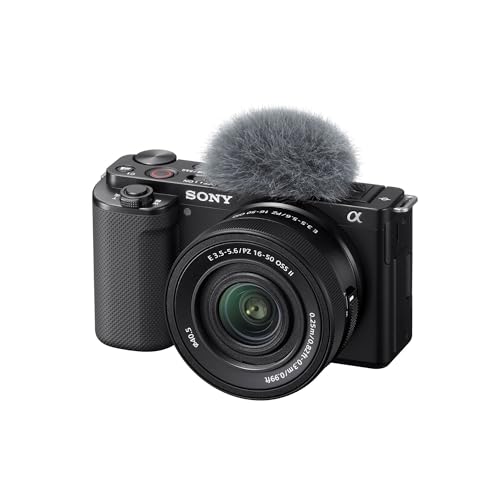


I disagree that using adapted lenses is just as good as native lenses. I've tried both, and the lack of autofocus speed with adapters makes a huge difference in fast-paced shooting.
I see your point. Native lenses do offer better performance, but I find adapted lenses useful for casual shooting.
Can I use my old Canon EF-S lenses on a Sony mirrorless camera with an adapter?
Is the crop factor really that significant when using Canon lenses on a mirrorless camera? How much should I expect it to affect my field of view?
Yes, the crop factor can significantly affect your field of view. For instance, if you're using a Canon EF lens on a camera with a 1.5x crop factor, the effective focal length will be multiplied by that factor. So a 50mm lens would behave like a 75mm, which is something to keep in mind for framing your shots.
Using adapters is a great way to save money on lenses while switching to mirrorless. Just keep in mind the potential loss in some functionalities.
I recently adapted my Nikon lenses to a Fujifilm mirrorless camera. The image quality is great, but I noticed the autofocus is slower than I expected.