
 Carmen J. Moore

Solar eclipses are awe-inspiring astronomical events that capture the attention of people around the world. Many observers attempt to capture the beauty of a solar eclipse with their smartphones, including the popular iPhone camera.
However, there has been some concern about whether pointing an iPhone camera directly at a solar eclipse can cause damage to the device. The camera sensors in smartphones, including the iPhone, are sensitive to light, and staring at the sun without proper protection can be harmful to both the eyes and the camera.
While modern smartphone cameras are designed to handle a wide range of lighting conditions, including bright sunlight, the intense light of a solar eclipse can potentially overwhelm the sensor and cause damage. It is always recommended to use proper solar filters or eclipse glasses when observing or photographing a solar eclipse to protect both your eyes and your device.
What is a solar eclipse
A solar eclipse occurs when the moon passes between the Earth and the Sun, blocking all or part of the Sun’s light. This can happen only during a new moon when the Sun and Moon are in conjunction as seen from Earth. There are three types of solar eclipses: total, partial, and annular.

Total Solar Eclipse
In a total solar eclipse, the Sun is completely obscured by the Moon, and the day turns into night for a brief period. This allows the Sun’s outer atmosphere, known as the corona, to be visible.
Partial Solar Eclipse
In a partial solar eclipse, the Moon only partially covers the Sun, resulting in a crescent shape of light being visible in the sky.
How does a solar eclipse affect the camera
During a solar eclipse, the sun’s intense rays can damage the camera’s sensor if directly pointed at the eclipse without proper protection. The camera’s sensor is sensitive to light and prolonged exposure to the sun’s bright light during an eclipse can lead to permanent damage.
It is important to use appropriate solar filters or eclipse glasses when capturing images of a solar eclipse to protect the camera’s sensor and prevent any harm. Additionally, pointing the camera directly at the sun during an eclipse without proper precautions can also cause lens flare and affect the overall image quality.
Can Pointing at a Solar Eclipse Damage the Camera?
Pointing a camera directly at a solar eclipse without proper protection can potentially damage the camera’s sensor, especially if it is done for an extended period of time. The intense light from the sun during an eclipse can overwhelm the camera’s sensor, causing permanent damage or burnout.
It is important to always use a solar filter or special eclipse glasses when photographing or filming a solar eclipse to protect both your eyes and your camera. Avoid looking directly at the sun through the camera’s viewfinder or LCD screen without proper protection.
How to protect your iPhone camera during a solar eclipse
While it is true that pointing your iPhone camera directly at a solar eclipse can potentially damage the camera sensor due to the intense light, there are ways to protect your device and still capture this rare event. Here are some tips to keep your iPhone camera safe:
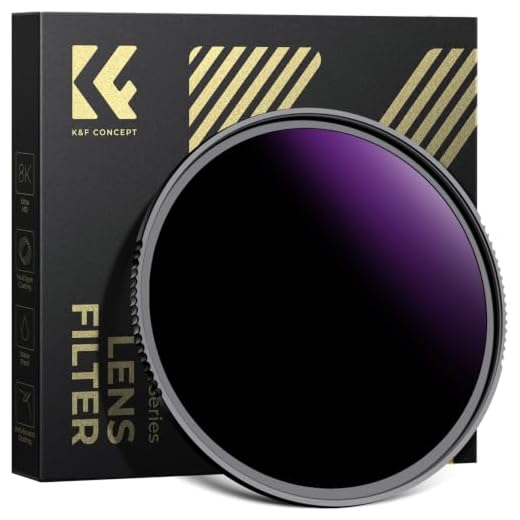
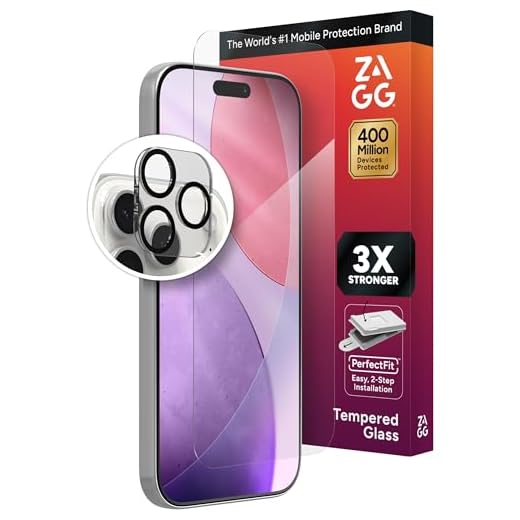
- Use a solar filter: Invest in a solar filter specifically designed for photography to protect your iPhone camera from the harmful effects of the sun’s rays during an eclipse.
- Avoid direct exposure: Never point your iPhone camera directly at the sun during a solar eclipse. Instead, use indirect methods like projecting the eclipse onto a surface or using eclipse glasses to view and capture the event.
- Adjust exposure settings: If you must point your iPhone camera towards the eclipse, adjust the exposure settings to minimize the risk of damage. Lowering the exposure and using manual settings can help protect your camera sensor.
- Use a lens hood: Consider using a lens hood or shade to block excess light and prevent lens flare during the eclipse. This can help protect your iPhone camera and improve the quality of your photos.
By following these simple precautions, you can enjoy capturing the beauty of a solar eclipse without risking damage to your iPhone camera. Remember to prioritize safety and always put the protection of your device first.
Signs of camera damage after pointing at a solar eclipse
Pointing your iPhone camera directly at a solar eclipse can potentially damage the camera sensor and lens. Here are some signs to look out for if you suspect your camera may have been damaged:
1. Faded or distorted images:
If the images captured by your iPhone camera appear faded, blurry, or distorted after pointing it at a solar eclipse, it could be a sign of damage to the sensor or lens.
2. Strange colors or artifacts:
Unusual colors or artifacts showing up in your photos, such as rainbow-like patterns or streaks of light, may indicate damage to the camera components caused by the intense light of the eclipse.
Steps to take if your iPhone camera is damaged by a solar eclipse
If you suspect that your iPhone camera has been damaged by pointing it at a solar eclipse, here are some steps you can take to address the issue:
1. Stop using the camera immediately
As soon as you notice any unusual behavior or damage to your iPhone camera after pointing it at a solar eclipse, stop using the camera to prevent any further damage.
2. Contact Apple Support
Reach out to Apple Support or visit an Apple Store to get professional assistance and guidance on how to repair or replace your damaged iPhone camera.
Precautions to take when capturing a solar eclipse on camera
When capturing a solar eclipse on your iPhone camera, it’s important to take certain precautions to ensure both your safety and the safety of your device.
1. Use a solar filter
Always use a solar filter to protect your iPhone camera lens from the intense sunlight during a solar eclipse. Without a filter, the sun’s rays can damage your camera’s sensor.
2. Don’t point directly at the sun
Avoid pointing your iPhone camera directly at the sun during a solar eclipse. Instead, use the camera’s screen to position the eclipse in the frame without looking at the sun through the lens.
Remember: Safety first when capturing this celestial event!
Effects of solar eclipse on electronic devices
During a solar eclipse, the intense sunlight can potentially damage electronic devices such as cameras, including those in smartphones like iPhones. The direct exposure to the sun’s rays, especially during an eclipse, can overload the sensors and lenses of the camera, leading to permanent damage or decreased performance.
It is advised not to point electronic devices, including iPhone cameras, directly at the sun during a solar eclipse to avoid any potential harm. Using proper filters or protective gear can help mitigate the risk of damage to the camera and other electronic components.


Is it really that dangerous to point my iPhone at a solar eclipse? I thought smartphones are built to handle bright light.
Can you clarify what you mean by 'prolonged exposure' to sunlight? How long is too long when taking photos during an eclipse?
Prolonged exposure generally refers to any extended period of pointing directly at the sun without protection. Even a few seconds can be enough to cause damage, so using filters or indirect methods is highly recommended.
I don't think it's that big of a deal. I've taken pictures directly at the sun before and my camera has been fine!
While many people may have had luck, it's important to note that the risk of damage is still present. The potential for harm increases significantly during an eclipse.
Using eclipse glasses is a good way to protect your eyes AND your camera when snapping photos.
Has anyone compared different solar filters for smartphones? I read some are better than others for clarity and protection. Would love some recommendations before the next eclipse!