
 Carmen J. Moore

With the growing popularity of capturing celestial events like solar eclipses on smartphones, many iPhone users are wondering: Can the intense light from an eclipse actually damage the camera on your iPhone?
While iPhones are equipped with high-quality cameras, they are not designed to withstand the direct glare of the sun during an eclipse. It is important to understand the potential risks involved in pointing your iPhone camera directly at the sun during such events.
Let’s delve into the science behind the issue and explore some precautions you can take to protect your iPhone camera during an eclipse.
Can Eclipse Damage Your iPhone Camera
An eclipse is a fascinating astronomical event that many people want to capture with their iPhone cameras. However, it’s important to consider the potential risks of pointing your iPhone camera directly at the sun during an eclipse.

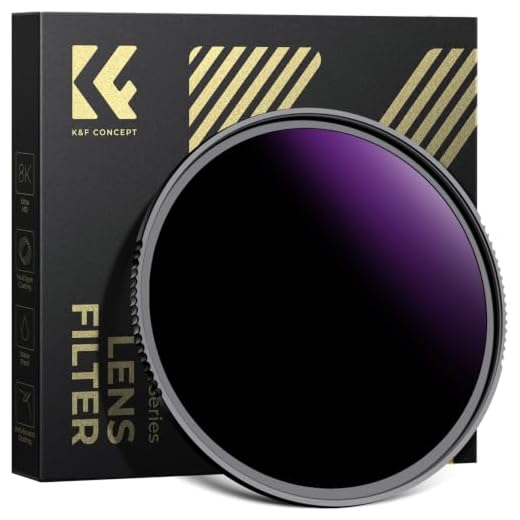
While iPhones are equipped with high-quality camera lenses and sensors, the intense light from the sun during an eclipse can damage the camera components. The concentrated sunlight can cause the camera sensor to overheat, leading to permanent damage or even rendering the camera unusable.
Protecting Your iPhone Camera During an Eclipse
To prevent damage to your iPhone camera during an eclipse, it’s recommended to use a solar filter or eclipse glasses to safely view and capture the event. These accessories can help reduce the intensity of the sunlight entering the camera lens, protecting the sensor from harm.
Understanding the Risks
It is important to understand the risks associated with pointing your iPhone camera directly at a solar eclipse. The intense light produced by the eclipse can potentially damage the sensitive components of the camera, including the lens and sensor. This can result in permanent damage to the camera and affect the quality of your photos and videos.
Additionally, looking at the eclipse through the camera viewfinder or screen can also pose a risk to your eyes. The concentrated light can cause eye damage or even blindness if proper precautions are not taken.
| Risk | Description |
| Camera Damage | The intense light of the eclipse can damage the camera’s lens and sensor, leading to permanent issues. |
| Eye Damage | Looking at the eclipse through the camera viewfinder or screen can cause eye damage or blindness. |
Possible Effects on Camera Lens
During a solar eclipse, the intense light emitted by the sun can potentially damage the camera lens of your iPhone. The concentrated sunlight can cause the lens to overheat, leading to distortion or even permanent damage to the lens components.
Scratches and Cracks
If the camera lens is directly exposed to the sun during an eclipse, it may result in scratches or cracks on the lens surface. This can affect the clarity of your photos and videos, requiring repair or replacement of the lens.
Internal Damage
In some cases, the internal components of the camera lens may also be affected by the intense sunlight during an eclipse. This can result in malfunctioning of the lens, affecting the overall performance of your iPhone camera.
Protecting Your iPhone Camera
It is important to take precautions to protect your iPhone camera from potential damage. Here are some tips to help you keep your camera safe:
1. Use a protective case: Investing in a good quality case can help shield your iPhone camera from scratches, dust, and other harmful elements.
2. Avoid exposing your iPhone to extreme conditions: Try to keep your iPhone away from direct sunlight, water, and extreme temperatures as these can potentially damage the camera lens.
3. Clean the lens regularly: Use a soft, lint-free cloth to gently clean the camera lens and remove any dirt or smudges that may affect the quality of your photos.
4. Be careful when handling your iPhone: Avoid dropping or mishandling your iPhone, as this can cause damage to the camera and other components.
By following these simple tips, you can help prolong the life of your iPhone camera and ensure that it continues to take great photos for years to come.
How to Safely Capture Eclipse Photos
Observing a solar eclipse can be an exciting experience, but it’s important to take precautions to protect your eyes and your camera. Here are some tips for safely capturing eclipse photos:
- Use a solar filter: Never point your camera directly at the sun without a proper solar filter. This will protect both your eyes and your camera’s sensor from damage.
- Adjust exposure settings: When photographing an eclipse, adjust your camera’s exposure settings to avoid overexposure. Experiment with different settings to achieve the best results.
- Use a tripod: To capture clear and steady photos of the eclipse, use a tripod to keep your camera stable. This will help prevent blurry images.
- Capture the surroundings: Include the environment around you in your eclipse photos to add context and perspective to your shots.
- Be mindful of the eclipse phases: Take photos at different stages of the eclipse to document its progression. This will create a more dynamic photo series.
By following these tips, you can safely capture stunning photos of a solar eclipse while protecting your camera equipment.
Common Mistakes to Avoid
When trying to capture the eclipse with your iPhone camera, there are several common mistakes that you should avoid to prevent damage to your device:
| 1. | Avoid pointing the camera directly at the sun without proper protection, as this can damage the camera sensor. |
| 2. | Do not use makeshift filters or glasses to protect the camera lens, as they may not provide adequate protection. |
| 3. | Avoid using digital zoom to get a closer shot of the eclipse, as this can result in poor image quality. |
| 4. | Avoid leaving your iPhone in direct sunlight for an extended period, as this can cause overheating and damage the camera components. |
| 5. | Make sure to clean the lens of your iPhone camera before attempting to capture the eclipse to avoid blurry or distorted images. |
Impact of Eclipse on Camera Sensors
During an eclipse, the sudden change in light intensity can potentially damage the camera sensors of electronic devices like iPhones. The concentrated solar rays can overload the sensor, causing irreparable damage or reducing its effectiveness. It is recommended to avoid pointing your iPhone camera directly at the sun during an eclipse to prevent any harm to the sensor.
Expert Recommendations for iPhone Users
When it comes to protecting your iPhone camera during an eclipse, experts recommend taking the following precautions:
1. Avoid Direct Sunlight
Do not point your iPhone camera directly at the sun during an eclipse as it can damage the camera sensor. Use protective filters or eclipse glasses to shield the lens.
2. Use a Solar Filter
If you want to capture the eclipse with your iPhone camera, use a solar filter specifically designed for photography to prevent any damage to the lens or sensor.
| Recommendation | Details |
| Avoid Direct Sunlight | Protect your iPhone camera from the sun’s direct rays to prevent damage. |
| Use a Solar Filter | Invest in a solar filter for your iPhone camera to safely capture the eclipse. |
Testing Your Camera After an Eclipse
After experiencing a solar eclipse, it’s important to check your iPhone camera to ensure it hasn’t been damaged. Here are some steps you can take to test your camera:
- Take a few test photos in different lighting conditions to see if there are any abnormalities in the image quality.
- Check for any scratches or cracks on the camera lens that may have occurred during the eclipse.
- Test the camera’s autofocus and zoom functions to make sure they are working properly.
- Record a short video to see if there are any issues with the camera’s video recording capabilities.
If you notice any unusual behavior or changes in the camera’s performance, it’s recommended to seek professional help to assess and potentially repair any damage caused by the eclipse.
Long-term Effects of Eclipse Exposure
While a brief exposure to a solar eclipse might not cause immediate damage to your iPhone camera, repeated or prolonged exposure to the sun during an eclipse can have long-term effects. The intense light and heat from the sun during an eclipse can gradually degrade the camera lens and sensors over time, leading to decreased image quality and potential malfunction.
Possible long-term effects of eclipse exposure on your iPhone camera:
- Reduced image sharpness and clarity
- Color distortion or changes
- Increased sensor noise
- Malfunctioning autofocus or exposure settings


I don't think the risk of damage is that high for a short exposure. I’ve taken photos of the sun before without filters, and my camera was fine. Seems a bit exaggerated.
While it might seem exaggerated, many users have reported issues. It's better to be safe than sorry!
I don’t think using a solar filter is necessary for short exposures. I’ve captured other bright celestial events without one and had no issues.
But the sun's direct rays during an eclipse are much more intense. It's really not worth the risk if a solar filter can help.
Can looking at the eclipse through the screen really damage my eyes? I thought it was only through direct viewing.
Yes, looking through your camera’s viewfinder or screen can still expose your eyes to intense light, which can cause damage. It's best to use proper eye protection.
Can you explain if there’s a safe way to take pictures during the eclipse without damaging the camera?
To safely capture an eclipse, always use a solar filter and avoid pointing your iPhone directly at the sun without protection.
I think people are overreacting about camera damage. I’ve taken photos in direct sunlight before and had no issues.
While that may be true, the concentrated light during an eclipse is way stronger and could cause real harm to the camera.
How do the solar filters compare to regular sunglasses for protecting my iPhone camera? Are they really necessary?
Solar filters are specifically designed for photography, reducing the light intensity without distorting colors. Regular sunglasses may not provide adequate protection for your camera.
Is it really safe to use my iPhone to photograph an eclipse if I have a solar filter? I want to capture the moment without damaging my camera.
Using a proper solar filter will significantly reduce the risk of damage to your iPhone camera. Just make sure the filter is specifically designed for photography during eclipses.
Last eclipse, I tried using my iPhone without any filters, thinking it would be fine. I ended up with a weird color distortion in my photos after. Definitely learned the hard way about the importance of using a solar filter!
Good article! I'm planning to film the next eclipse with my iPhone. Can you really see a difference in the quality of pictures if you use a solar filter versus just taking them without one?